Our Location
5th Floor, Huake Center, Lanshan District, Linyi City, Shandong Province, China

5th Floor, Huake Center, Lanshan District, Linyi City, Shandong Province, China
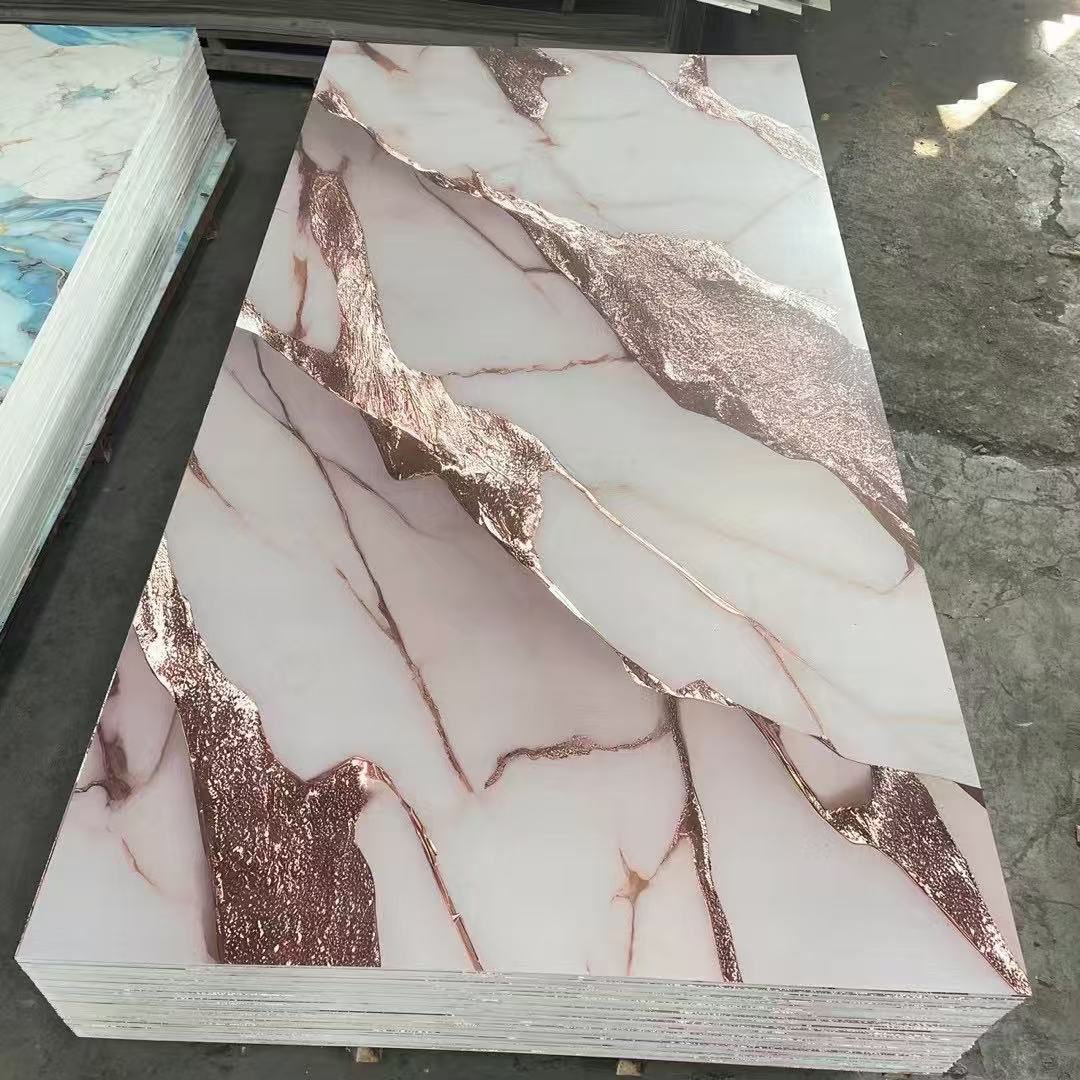
An r&m plywood order usually starts when a buyer meets a supplier trading under an R&M name and wants to know what sits behind the label. A trade name is not a standard, so a buyer who orders on the name alone has no way to compare the panel against another supplier. The label opens the question rather than closing it.
This guide explains what a trade name covers, how to verify the panel behind it, which lines to fix in writing, and how to compare an r&m quote against a quote built on a named grade.
A trade name identifies a supplier rather than a panel, so the name alone says nothing about the sheet on the pallet.
A trade name points at the company that sold the panel, not at the mill that pressed it, so the same name can move between mills across a season. Ask which mill pressed the batch before treating the name as a quality signal.
The panel is judged on its species, grade, bond, and thickness, and the trade name sits on top of those lines without replacing them. Fix the specification first, then let the name describe who supplies it.
A private label often hides the mill behind the brand, so a buyer who cannot name the mill cannot trace a claim. Ask for the mill and the batch in writing.
Verification follows the label to the specification to the mill record.
| Line | What to ask | Why it matters |
|---|---|---|
| Mill | Which mill pressed the batch | Traces a claim |
| Specification | Species, grade, bond, thickness | Sets the panel |
| Certificate | Test dates and batch | Backs the claim |
The mill name and the batch number let a buyer trace a failed panel back to the run that produced it, so a supplier who will name both is easier to hold to a claim. A supplier who will not name the mill leaves the buyer without a trail.
The mill record that names the batch and the species backs the order months later, so the buyer files it with the invoice and the packing list. The record answers a claim that a memory cannot, and it keeps the trail from the quote to the load.
A badge printed on the label is a summary, while the certificate carries the standard, the test, and the dates. Ask for the certificate, then match the batch to the delivered load.
A trade name quote becomes comparable only when the specification is written down.
Put the species and the face grade on the purchase order, because a quote that names neither lets the supplier choose the sheet after the order is placed. The written line holds the panel the buyer priced.
The purchase order should name the certificate the supplier will provide, because a claim needs the tested batch behind the delivered load. A written certificate line keeps the supplier to the sheet the buyer priced and blocks a quiet swap.
Fix the bond class and the thickness tolerance so the delivered sheet matches the quote, because a lighter sheet at the same nominal size can land under a different number. Write both lines before the order goes out.
The order should name the delivery point, because the term that stops at the port leaves the buyer to arrange the last leg and the insurance. A written delivery point removes the argument at the dock before the pallet lands.
Name the packing method, because loose sheets shift in transit and nick the edges a buyer paid to protect. A written packing line keeps the load intact.
An r&m quote compares to a named-grade quote only when the two carry the same specification.
Two quotes compare once the species, grade, bond, and thickness line up, because a lower number often reflects a lower panel rather than a better deal. Match the lines, then weigh the totals.
Duty and a quality inspection add a layer the sheet price leaves out, so the buyer should budget both before the quote is called final. The delivered total settles the comparison once every line stands beside its neighbor.
The delivered total folds in freight, insurance, duty, and inspection, so a supplier who bundles those lines can beat a lower sheet price. Compare the delivered figure rather than the sheet price.
A quote that holds for a quarter lets the buyer plan, while a quote that moves with the market forces a decision before the site is ready. Agree the window, then place the order inside it and hold the price.
A quote that allows a comparable species lets the price fall after the order ships, and the buyer finds the swap at the dock. Remove the clause or name the species as fixed.
Three traps catch buyers who order on the name rather than the specification.
A supplier who quotes a package of panels at one blended price hides which sheet carries which grade, so the buyer cannot compare the lines against another supplier. Ask for the lines apart, then price each panel on its own.
A buyer who cannot name the mill cannot trace a failed panel, so the claim stalls at the desk. Name the mill and the batch in the order.
A supplier who ships a batch from another mill under the same label breaks the trail from the certificate to the load, and the buyer loses the proof behind the claim. Match the batch before the pallet is accepted.
A certificate that covers the wrong batch proves the wrong load, so the tested sheets and the delivered sheets are not the same. Match the batch before the pallet is accepted.
A rush order that skips the packing to meet a date pays the cost back in edge damage, so the buyer should hold the packing line even under time pressure. Speed that scars the panel is not speed that serves the build.
A packing line left open lets the supplier ship loose sheets to save freight, and the buyer pays in edge damage. Fix the packing in writing.
A sample panel shows how the face takes a finish and how the core machines, which no certificate describes, so the buyer should order a sample before the full load. The sample answers the question the paperwork leaves open.
Buyers raise the same questions before the order ships.
No. The trade name identifies a supplier, while the grade describes the panel. Fix the specification separately from the name.
Ask for the mill, the batch, and the certificate, then match the batch to the delivered load. A supplier who names all three is easier to hold to a claim.
Yes. A written species line holds the sheet the buyer priced and blocks a swap after the order is placed.
The landed total adds freight, insurance, duty, and inspection, which the sheet price often leaves out. Compare the delivered figure.
Reject the load or renegotiate, because a packing change risks edge damage the buyer did not agree to carry.
An r&m order is only as strong as the specification behind the name, so name the mill, write the species and grade, and compare the delivered totals before the order ships. For panels sourced and certified across the range, Commercial Plywood covers the sanded families, Film Faced Plywood seals surfaces for wet service, and Chip Board serves hidden infill. Confirm the mill, the batch, and the certificate with HYY before the load ships, then verify the batch at the dock.