Our Location
5th Floor, Huake Center, Lanshan District, Linyi City, Shandong Province, China

5th Floor, Huake Center, Lanshan District, Linyi City, Shandong Province, China
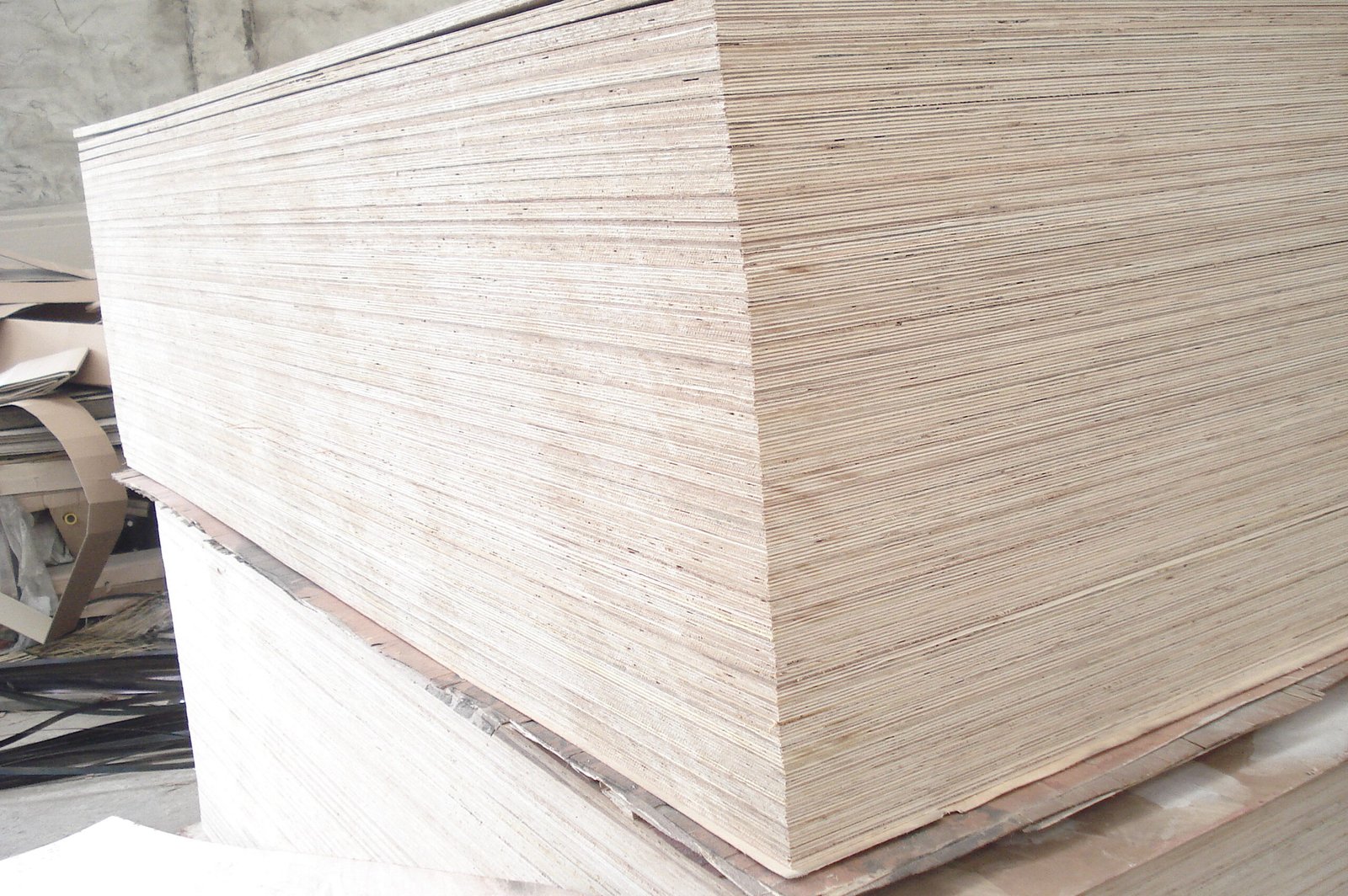
A re zero plywood search usually starts with a label that claims a panel releases little or no formaldehyde, and the buyer wants to know what the claim means and how to check it. A low-emission claim rests on the adhesive and the post-treatment rather than the wood, so it can be verified against a standard instead of taken on trust. The buyer who reads the claim against a class can separate a real panel from a marketing line.
This guide explains what a low-emission claim covers, how the adhesive sets the release, how to verify the class, and where the claim stops.
A low-emission claim speaks to the formaldehyde that leaves the finished panel, not to the wood or the bond strength.
The claim measures the formaldehyde that off-gasses from the panel over a set period, which is a different number from the formaldehyde content of the glue. Ask which test method the claim rests on before treating it as proof.
The room and the occupant set the class the job needs, so a buyer who starts with the room rather than the shelf picks the right panel faster. Read the room first, then match the class to the air the occupant breathes.
A low-emission class names a release threshold, so a panel that sits under the line carries the class and a panel above it does not. Read the class and the threshold together.
The release is proven on a batch, so the certificate should name the batch that was tested. A class printed on a label without a batch behind it cannot be traced.
The adhesive, not the wood, decides most of the formaldehyde a panel releases.
| Adhesive | Typical release | Where it fits |
|---|---|---|
| Urea-based | Higher | Sheltered interior |
| Phenolic | Lower | Wet and exterior |
| MDI or no-added | Lowest | Sensitive interiors |
A urea-based glue that cures into the plies releases more formaldehyde over time, which is why an interior panel meant for a warm room earns a lower-emission glue. Match the glue to the room rather than to the price alone.
The press cycle that cures the glue changes the release a panel carries, so two sheets from the same recipe can land at different classes. Ask for the tested class rather than the recipe, then hold the certificate to the batch.
A phenolic glue resists moisture and releases less formaldehyde, so a wet-room or exterior panel often carries a naturally lower release. The bond class and the emission class climb together on those panels.
A coating or a laminate that the installer adds can lift the release above the panel class, so the buyer should count every layer the assembly carries. The panel sets the floor of the load, and the layers above it decide the ceiling.
A no-added or MDI glue reaches the lowest release because the panel skips the formaldehyde that a urea glue carries. Specify that glue when the room houses a sensitive occupant.
Verification follows the label to the test method to the batch certificate.
Different methods measure release in different chambers over different periods, so a class means little until the method is named. Ask which method the certificate used.
The chamber test measures the release over a set period in a controlled space, so the class depends on the chamber and the time. Ask which chamber the certificate used, because a class without a method says little.
The certificate should name the tested batch and the test date, so a buyer can tie the class to the delivered sheets. A certificate for another batch proves the wrong load.
A low release class and a fire rating are separate claims, so a buyer in a corridor should confirm both before the order ships. One line does not carry the other, and the drawing may call for both at once.
A low-emission class and a wet-service bond are separate claims, so a buyer heading into a wet room should confirm both. One line does not carry the other.
The right emission class follows the room and the occupant rather than the lowest number on the shelf.
A garage or a shed that vents freely tolerates a standard release class, so the buyer can weigh the cost against a real need. Match the class to the air the occupant breathes.
A room that stays sealed through a hot season holds more of the off-gas, so the class that suits a mild climate can fall short in a hot one. Weigh the climate with the class before the panel is ordered.
A bedroom, a school, or a clinic earns a lower release class, because the occupants spend long hours in the space and the air turns over slowly. Specify the lower class when the room calls for it.
A sealed finish that coats every panel face slows the off-gas, so the assembly can land lower than the bare panel class. Count the finish with the panel, then set the ventilation to match.
A well-ventilated room clears the off-gas faster, so the same panel sits differently in a vented shop than in a sealed office. Budget the ventilation alongside the panel class.
A low-emission claim has a boundary, and the buyer who knows it avoids over-reading the label.
The claim covers one panel, while the room holds many panels, so a low-emission sheet in a high-emission build still leaves the room with a load. Count the whole assembly.
The claim covers the panel, while the room also holds furniture and fittings that release their own load into the same air. Count the whole room rather than the sheet, because the occupant breathes the total.
An installer who adds a high-emission glue or a coating can lift the room above the panel class, so the build earns the same review as the panel. Check the adhesives the assembly adds.
The release falls as the panel ages, so the first weeks carry the highest load and the room benefits most from an air change then. Plan the vent across that window rather than across the whole year.
A low class reduces the load but does not remove it, so a sealed room still benefits from an air change across the first weeks. Plan the vent alongside the panel.
A label names the panel it wraps, so a buyer who orders several grades should confirm a class for each one rather than carry the label across the load. The wrong assumption lifts the room above the number the buyer priced.
Buyers ask the same questions about low-emission panels.
It measures the formaldehyde that off-gasses from the panel over a set period, not the formaldehyde content of the glue. Ask which method the claim used.
No. A low class reduces the release and does not remove it, so the room still benefits from ventilation across the first weeks.
A no-added or MDI glue, followed by a phenolic glue, while a urea glue releases the most. Match the glue to the room.
No. Match the label to a certificate that names the test method, the batch, and the date, then tie the batch to the delivered load.
No. The class covers one panel, so a low-emission sheet in a high-emission build still leaves a load the installer should count.
A re zero claim is worth having when the glue behind it and the certificate under it both hold, so read the class against the test method, match the batch, and count the whole assembly. For panels built across the range, Commercial Plywood covers the sanded families, Film Faced Plywood seals surfaces for wet service, and MDF Board serves the engineered end. Confirm the glue, the class, and the certificate with HYY before the order ships, then match the batch at the dock.