Our Location
5th Floor, Huake Center, Lanshan District, Linyi City, Shandong Province, China

5th Floor, Huake Center, Lanshan District, Linyi City, Shandong Province, China
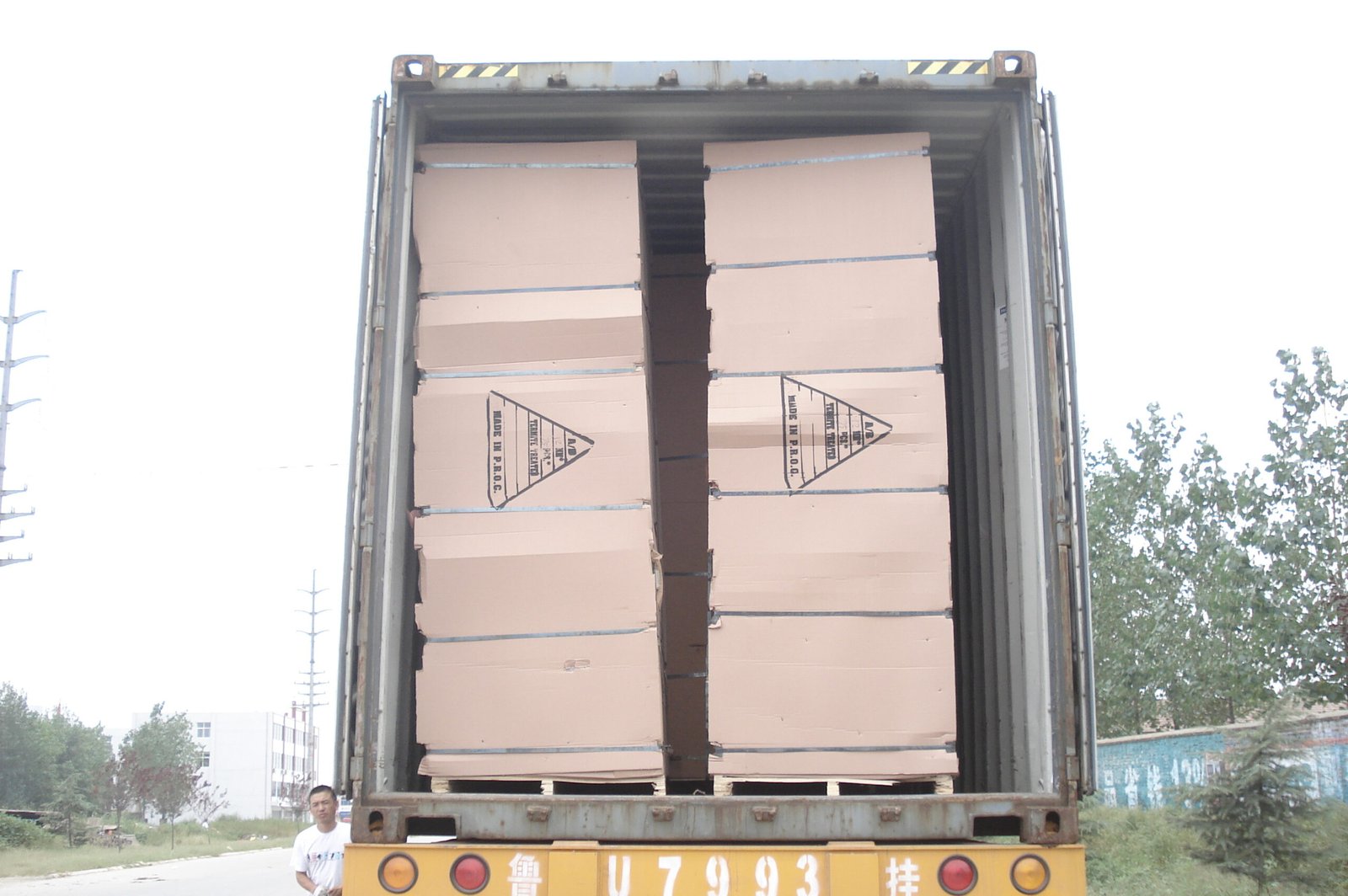
A q mark plywood buyer is usually looking at a stamped panel and asking what the mark actually proves. A quality mark is a third-party signal that the sheet was tested against a published standard, but the mark alone does not name the face grade, the core species, or the bond class the buyer needs. Reading the mark without the certificate leaves the important lines unverified.
This guide explains what a quality mark covers, which marks matter for panels, how to verify a mark at the dock, and where the mark stops short.
A quality mark signals that an independent body tested the panel and found it meets a published standard, not that the panel suits a particular job.
The mark points to the standard the panel was tested against, and the standard defines the tests the sheet had to pass. A buyer who knows the standard knows what the mark covers, while a buyer who does not reads the mark as a general badge of quality rather than a specific claim.
Testing for bond durability is a different test from grading the face veneer, so a mark earned on one line says nothing about the other. Confirm which test the mark covers before treating it as proof of the face or the core.
Before the order, the buyer reads the standard behind the mark and matches it to the job, because a mark earned on a shelf panel proves little about a load that carries a roof. The scope check costs a few minutes and steers the whole order toward the right panel.
The stamp on the panel is a summary, while the certificate behind it carries the test dates, the batch, and the standard. Ask for the certificate rather than trusting the stamp alone, then match the batch to the load.
The checks a mark rests on cover bond, dimensions, and moisture, and each line answers a different question.
| Check | What it tests | What it protects |
|---|---|---|
| Bond | Glue line under stress | Delamination |
| Dimensions | Length, width, square | Fit at the joint |
| Moisture | Content and movement | Swelling at the edge |
A bond test puts the glue line under heat and moisture then pulls the plies apart, so a panel that passes resists delamination in service. The test matters most for panels that will see weather or wet rooms.
A panel that measures true at the edge closes a joint without a shim, while a sheet that runs out of square opens a gap the installer must fill. The square check protects the fit, so confirm it before the parts reach the saw and the gap reaches the wall.
Length, width, and squareness decide whether the panel closes a joint, so the dimension check protects the installer rather than the finish. Confirm the tolerances the standard allows before the parts get cut.
Not every mark on a panel carries the same weight, so the buyer should know which one answers the question in front of them.
A fire rating mark ties to how the assembly resists a flame, which matters in a corridor or a stairwell, and it stands apart from the bond and the span. Confirm the fire line when the drawing calls for one, because a mark earned on bond says nothing about flame spread.
A structural mark ties to span ratings and load tests, which is the mark a subfloor or roof sheathing buyer needs. It says the panel carries a rated load at a given spacing.
An emission mark ties to formaldehyde release, which matters for panels that go into a home or a school. The mark names the release class rather than the bond class.
A panel headed for a wet room needs a bond mark, because the glue line decides whether the plies hold under moisture. Read the bond line before the finish line whenever the room carries water, and set the two marks side by side on the order.
A finish mark ties to the surface the panel presents, which matters for a visible panel that will be stained or coated. Match the mark to the face the finish will expose.
Verification follows the batch from the certificate to the stamp to the load on the floor.
The certificate names a batch, and the batch should match the panels delivered, so the buyer can trace a claim back to the tested sheets. A certificate for a different batch proves the wrong load.
Panel stamps sit on a face or an edge depending on the mill, so the buyer should know where to look before the panel gets covered. A stamp that cannot be found is a stamp that cannot be verified.
The buyer who photographs the stamp and files the image beside the certificate keeps a record that survives a lost panel. The image answers a claim long after the sheet leaves the floor and the stamp disappears under the finish.
The certificate, the invoice, and the packing list travel together, so the buyer who files all three can answer a claim months later. Store the record with the order rather than the panel.
Every mark has a boundary, and the buyer who knows the boundary avoids reading a mark as more than it says.
A quality mark does not name the species or the face, so two panels that carry the same mark can sit at very different prices. Weigh the mark beside the specification rather than in place of it, and compare the quotes on the lines the mark leaves open.
A bond mark says nothing about the face veneer, so a panel can carry a strong bond mark and a rough face at the same time. Read the face grade separately.
A mark tied to performance does not name the thickness, so a buyer must fix the caliper separately. A sheet at the wrong thickness carries the right mark and still fails the job, which is why the thickness line belongs on the order.
A mark tied to performance does not name the core species, so two panels can carry the same mark on different cores. Ask for the species in writing.
The mark on the panel does not carry the batch number, so the buyer must read the batch from the certificate and match it to the load. Without the match, a claim has no trail and the tested sheets and the delivered sheets stay apart.
A mark covers the panel as it left the mill, not the installation, so a panel that passes every test can still fail if the fastening or the spacing is wrong. The mark protects the sheet, and the installer protects the build.
A mark rests on tests run across a production run, so the buyer should know whether the body tested every sheet or sampled the batch. A sampled test proves the batch rather than each panel, and the distinction matters when the load carries a critical part.
Buyers ask the same questions at the dock.
No. The mark shows the panel passed a test against a standard, and it does not cover the grade, the species, or the installation. Read the certificate for the detail.
Match the stamp to a certificate, and match the certificate batch to the delivered load. A mark with no certificate behind it cannot be verified.
A structural mark tied to span ratings, because the subfloor carries a rated load at a given spacing. Confirm the rating against the joist spacing.
No. The emission mark ties to formaldehyde release, while the bond mark ties to the glue line under stress. They answer different questions.
Yes. File it with the invoice and the packing list so a claim can be traced to the tested batch months later.
A q mark on a panel is a starting point rather than an answer, so read the standard it points to, match the certificate to the batch, and confirm the grade and the species separately. For panels tested and certified across the range, Commercial Plywood covers the sanded families, Film Faced Plywood seals surfaces for wet service, and Chip Board serves hidden infill. Confirm the certificate and the batch with HYY before the load ships, then verify the stamp at the dock.