Our Location
5th Floor, Huake Center, Lanshan District, Linyi City, Shandong Province, China

5th Floor, Huake Center, Lanshan District, Linyi City, Shandong Province, China
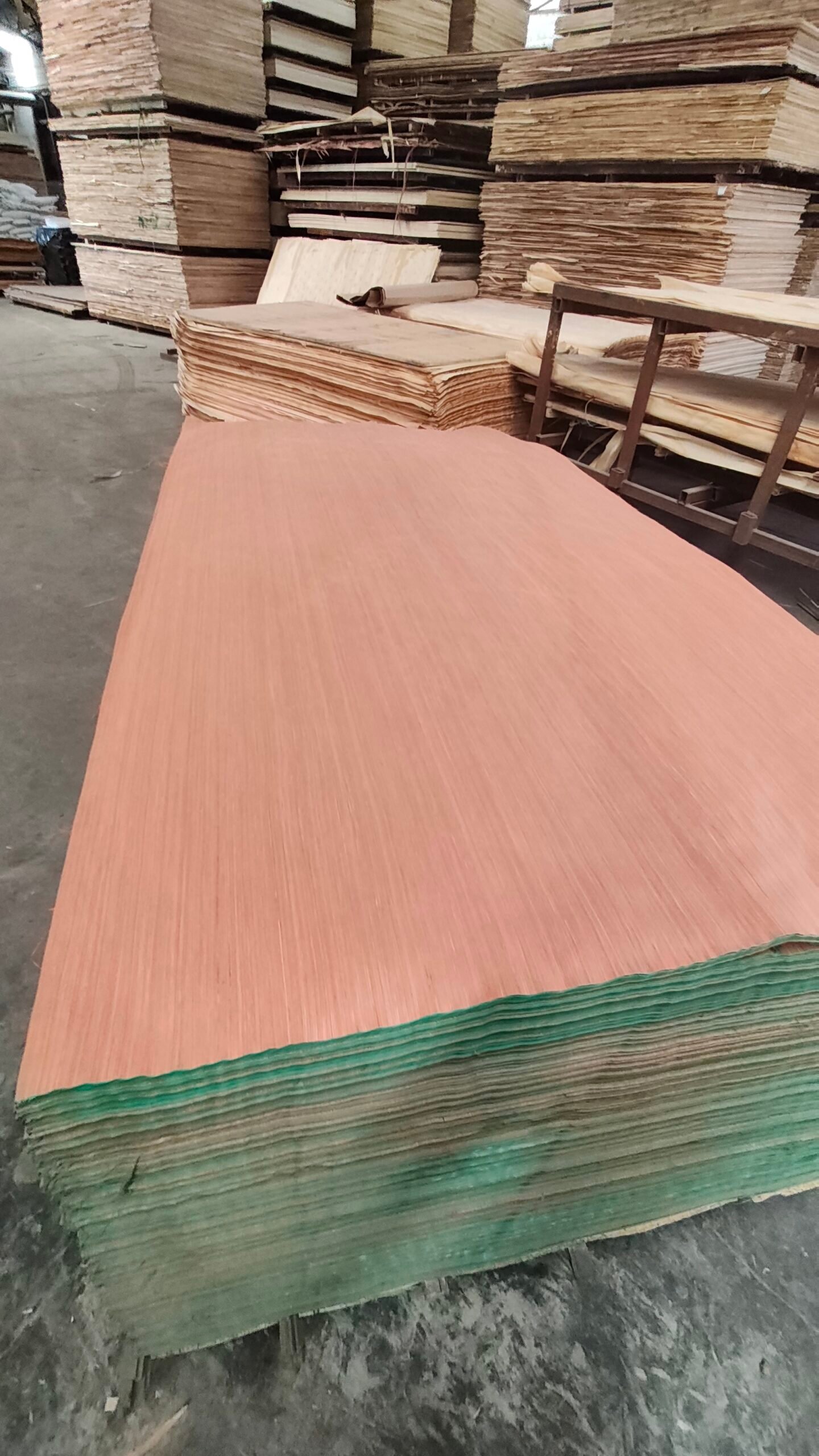
When buyers search is 710 grade plywood, they usually mean IS 710, the Indian standard that lays down requirements for general-purpose plywood panels sold across the subcontinent. The number matters because the standard defines the face, the bond, and the batch testing that the grade stamp on each sheet claims to guarantee.
Standards documents pack their content into clauses and annexes, so most buyers read the practical meaning rather than the legal text. The sections below translate the clause language into stamps, reports, and questions that work on the loading dock.
This guide explains what the standard covers, how to read a panel stamp, and how to verify a certificate before the order leaves the mill.
IS 710 sets out the specification for general-purpose plywood, covering the construction, the moisture limits, the bond quality, and the testing that a conforming panel must pass. A sheet stamped to this standard carries a measurable basis for acceptance rather than a marketing claim.
The standard defines acceptable face and core veneers, assembly, and the adhesive behavior expected across conditions. Panel thickness and dimensions fall under its scope, which gives buyers a fixed reference for the delivered sheet.
Thickness tolerance sits at the center of acceptance, because routers and hardware assume a fixed dimension. Measure the delivered sheets across the bundle, and read the tolerance value on the certificate so the nominal size means the same number to both sides.
Conforming panels rely on laboratory tests for bond, moisture, and surface quality. Ask for the test report that names the method, the batch, and the date, because the stamp alone does not prove the batch passed.
Once a mill passes the first audit, keep the certificate, the report, and the stamp photo together for the next order. The same file becomes the baseline for repeat purchases and shortens every future inspection.
Write the order line as “conforms to IS 710, service class as noted, batch test report required.” The single sentence removes ambiguity from the quote, the production plan, and the inspection record that follows.
Buyers rarely read the whole standard cover to cover. Keep a short index of the clauses you rely on: construction, moisture, testing, and marking, then quote those clauses in the order so both sides work from the same pages.
IS 710 panels appear alongside common service classes that buyers see on quotes and sacks. The standard and the service class work together: the standard sets the general construction, while the service class names the moisture and adhesive expectation.
| Label | What it signals | Where to use it |
|---|---|---|
| Standard stamp | Conforms to IS 710 | General interior panels |
| Moisture-resistant class | Bond for damp service | Kitchens and humid rooms |
| Exterior class | Weather-rated bond | Outdoor and exposed work |
| Boiling-water bond | Severe wet service | Marine-adjacent use |
Match the service class to the room, then confirm the test report covers the delivered batch. The classification names the envelope, while the report verifies the batch inside it.
The certificate lists the moisture content band too. Panels within the band stay flat indoors, while panels dried outside it swell or shrink after installation, so read the moisture value alongside the bond class before accepting the lot.
A conforming general-purpose panel fails fast in a damp room if the buyer ignored the service class. Consequently, specify both the standard and the class, and check the certificate names exactly that pair.
Draw samples from several bundles across the container rather than one convenient stack. The spread reveals whether the batch holds the same face and thickness everywhere, which single-stack samples never show.
The factory stamp prints a lot of information in a small space. Learn to pull the four fields that matter for acceptance: the standard number, the service class, the thickness and dimension, and the batch code.
Use the four fields as the receiving checklist. A stamp that omits any of them leaves the sheet’s identity incomplete for later verification.
Keep a clear photo of the stamp next to the packing list in the project file. The image answers later disputes without pulling panels from the wall, and it ties the batch to the delivery clearly.
Real compliance rests on the test report, not the sticker. Ask the supplier for the laboratory certificate that names the standard, the sampling batch, and the test date, then read the pass values against the specification.
Recognized laboratories carry accreditation for the methods they run. Confirm the laboratory name and the scope on the report, because an unaccredited stamp carries no weight at arbitration.
Write the acceptance steps into the purchase order: sampling points, measurements, and the rejection window. A clear procedure removes argument later, because both sides agreed on the process before the container was loaded.
The stamp marks the panel family, not the lab result. Buyers who treat the stamp as proof skip the report check, and that gap is where a non-conforming batch slips into a finished project.
Store accepted panels flat on supports away from direct moisture, even when they passed inspection. Panels left on the ground or leaned against a wall absorb edge moisture and lose the flatness the test report confirmed.
Independent sampling works best when the sample mirrors the delivered batch, not a pre-shipment trial. Name the sampling method and the quantity in the order so the verification matches the acceptance expectations.
Large orders justify an independent sample sent to a third-party lab. The sample verifies the mill’s claim on the same batch you received, closing the gap between paperwork and performance.
Specify the panel by the room’s moisture load, the visible surface, and the fabrication detail. Interior furniture and cabinetry need a stable, finish-ready face, while structural and exposed work moves to moisture-rated construction.
For furniture and cabinet faces where the finish carries the design, Melamine Plywood supplies a factory-finished surface that skips the paint line. For dependable general-purpose panels in the same interior range, Commercial Plywood balances face and construction, and Film Faced Plywood adds a sealed face where surface durability matters in formwork and exposed work.
Write the standard, the service class, the face, and the test-report requirement onto a single procurement sheet. The document gives the mill one target and gives the receiving team one checklist.
Answers to the standard questions buyers raise before ordering against an Indian-spec panel.
By itself the standard covers general-purpose construction, and the service class decides the moisture envelope. Use a damp or weather-rated class when the room demands it.
Match the stamp’s batch code to the laboratory test report for that batch. The report, not the sticker, carries the passing values.
No, the general construction standard does not carry a fire rating. Fire-rated panels need their own certification and blocking details for the rated assembly.
Standards get revised in editions, and the certificate should name the edition it references. A report tied to an outdated edition may miss later requirements, so confirm the edition number on the document before ordering volume.
Yes, mills abroad can manufacture and test to the standard. Verify the laboratory accreditation and the batch report regardless of the mill location.
Treat a mismatch as a non-conformance and hold the batch. Ask for a corrected certificate or an independent sample before releasing the panels to the job.
Treat IS 710 as the construction basis and the service class as the moisture envelope, then verify both on the stamp and the test report for the delivered batch. Confirm the laboratory accreditation, keep the stamp photo with the packing list, and write the standard and class onto the procurement sheet before comparing quotes. For finish-ready interiors, Melamine Plywood covers the face in one overlay, Commercial Plywood handles dependable general panels, and Film Faced Plywood protects surfaces exposed to moisture and wear. Confirm the class, certificate, and batch documentation with HYY before you lock the order, then inspect the stamps and reports together at arrival.