Our Location
5th Floor, Huake Center, Lanshan District, Linyi City, Shandong Province, China

5th Floor, Huake Center, Lanshan District, Linyi City, Shandong Province, China
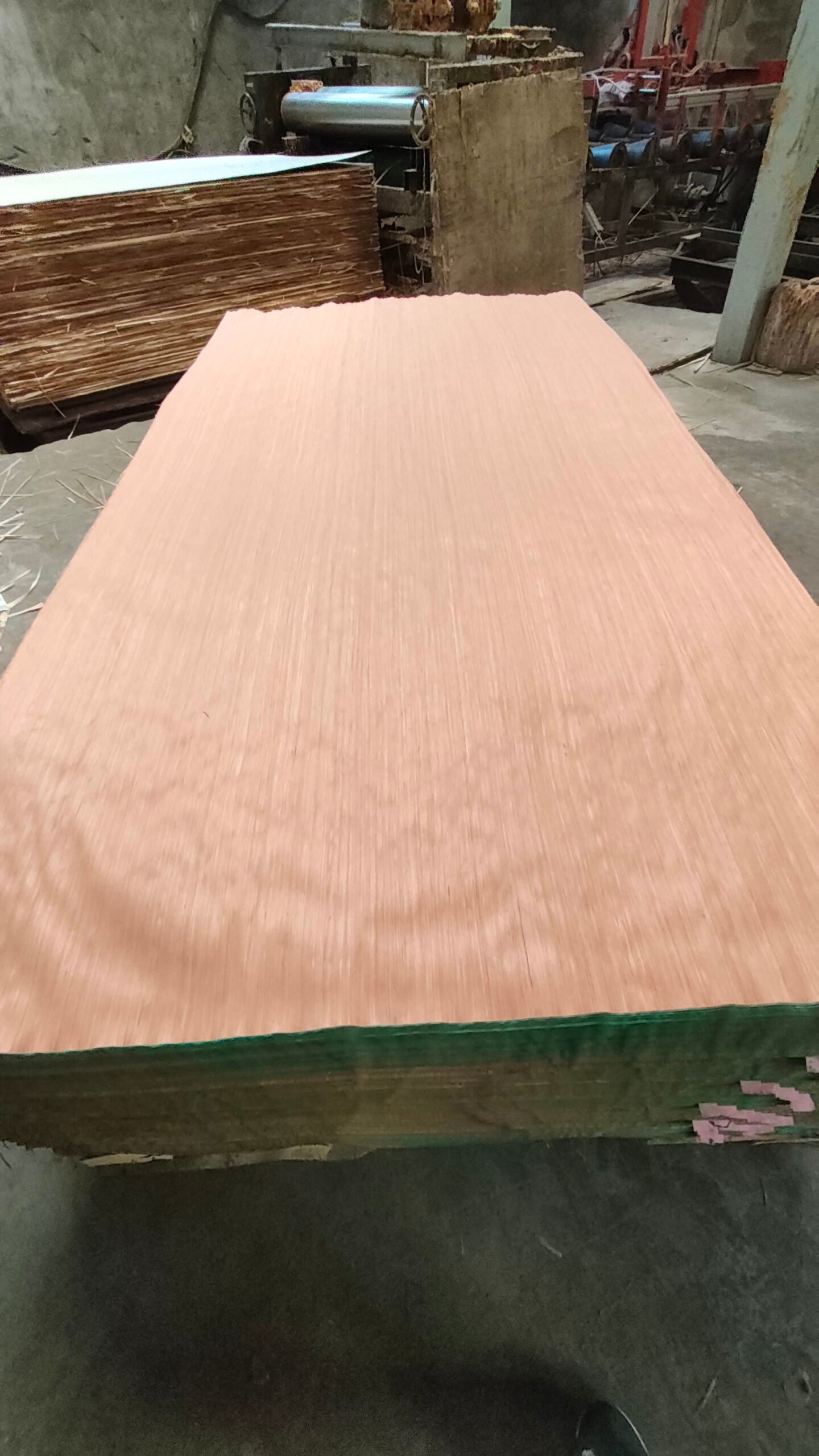
Short search strings like i plywood and doors usually start as typed shorthand for interior plywood and door panels. Buyers key in the letters fast and expect the same answer professionals give in a spec meeting: which panel carries the door skin, which panel builds the core, and how the two hold up along the edges together.
The door factory runs best when the panels arrive ready for its workflow: predictable thickness for the routers, clean edges for the bander, and stable faces for the finisher. These sections turn that workflow into a specification the mill can quote once.
This guide explains the panel families behind interior doors and matching surfaces, then maps them to the right details so the spec reads clean.
Some buyers writing i plywood and doors mean the letter I standing for interior, while others type it for informational searches about door construction. Both roads end at the same question: which plywood serves doors and their surrounding panels without splitting or staining the finish.
A flush door splits into the core and the skins. The core resists warping and carries the hardware, while the skins carry the visible face and the paint or overlay. Matching both roles matters more than picking a single premium sheet.
Doors move through the project in a sequence: frames, then leaves, then hardware. Put the panel order on the same schedule so the shop cuts the skin and core against the frame delivery instead of holding panels in a corner.
The skin wants a smooth, stable face with fine grain under the finish. The core wants dimensional stability and screw-holding where the locks and hinges bite. One panel rarely wins both jobs, so door manufacturers usually take two materials.
A paint-grade skin needs a tight face free of open knots, because knots telegraph through the finish after installation. Sanded faces and factory overlays reduce the on-site prep and keep the door consistent from unit to unit.
Door cores bear hardware and hinge screws that pull over decades. A stable, dense core holds screws without stripping, resists humidity movement, and stays flat through temperature changes in the building.
Choose the panel family by the door’s exposure and the finish line. Most interior doors live in dry rooms, but corridor and bathroom doors see humidity swings that change the material selection.
| Application | Recommended panel | Why it fits |
|---|---|---|
| Flat interior door skins | Melamine face | Pre-finished, consistent surface |
| Painted door leaves | Sanded commercial face | Tight grain under the finish |
| Hinge and lock blocks | Dense stable ply | Screw retention and edge strength |
| Dry interior trim boards | Machinable panel | Clean routed edges |
Read the table as the first filter, then confirm the exact face and core with the door manufacturer before ordering.
Hinges and locks bite into the core, so the door stock carries solid blocking at those zones. Specify the blocking depth next to the panel grade, because a thin veneer skin over a soft core strips the screw threads a few years into service.
Pre-finished faces skip the paint line entirely, while raw sanded faces still need primer and two coats. Consequently, the choice between the two changes the labor cost on every leaf, not just the material price.
Door edges expose the core construction, so edge treatment matters as much as the face. Edges should stay sealed and consistent, because an open core edge absorbs paint unevenly and reveals the laminate structure.
Work through the list during fabrication, not after the door hangs. Edge defects are cheap to fix on the bench and expensive to reach on the frame.
Edge banding caps a door face quickly, while a solid strip gives hinges a firm bite. Choose the edge detail with the hardware supplier in the room, because a mismatch surfaces only after the door hangs.
Corridor and bedroom doors benefit from a denser core that blocks sound and light. Name the acoustic target next to the face, because the core choice decides whether the door performs as the drawing promises.
Fire-rated assemblies add mineral cores and intumescent seals that a standard panel cannot replace. The rating certificate names the full assembly, so keep the door specification and the rating document together on the order.
A factory overlay turns a raw panel into a finished surface in one step. Overlaid faces reduce finishing time and disagreement between units, but they need clean edge treatment and matched capping at the door band.
Write the door detail and the wall panels on the same sheet so the finish reads as one system. Name the face, the core, the edge treatment, and the tolerance on a single document, and the shop builds without guessing.
Doors and matching panels from the same production batch keep the surface and color consistent across the project. Different lots can drift across seasons, so a single order protects the visual continuity of the work.
Door machines cut to a fixed thickness assumption, so a sheet running outside tolerance jams the cutter or leaves a gap at the stile. Measure the panels when they arrive and hold the batch to the stated tolerance before feeding it to the line.
A building with dozens of doors shows face variation quickly when panels come from different lots. Match the veneer bundle and the overlay batch across the set so the corridor reads as one finish instead of a patchwork.
Let the panels sit in the door shop for a day before cutting. Panels adapting to the room humidity cut clean and stay flat through the finish, while a rushed start exposes the shop to edge distortion.
Store the panels flat on supports inside the shop before cutting starts. Panels resting on a damp floor or leaning against a wall pick up moisture at the edge, and the distortion shows later as a door that will not close cleanly.
Seal the cut edges on both skins before the door hangs, especially near washrooms and kitchens. A sealed edge blocks the moisture that otherwise climbs the core and lifts the finish from the face.
Give the manufacturer the room humidity range the door will live in. The spec then accounts for panel movement before the sheet ever reaches the machine, preventing future warps and binding doors.
Build one sample door from the exact ordered panels before cutting the lot. The sample catches face, edge, and hardware issues while the specification still costs nothing to change.
Answers to the questions door manufacturers and their buyers raise at the spec table.
Structurally yes, but the face and edge details usually demand different materials. A dedicated core with a separate skin delivers better stability and finish in most production lines.
Voids come from open core construction or rough cutting. Sealing the edge and choosing a dense core eliminates the exposed pattern under the finish.
No, rated doors add specific cores and hardware blocking. Confirm the rating requirement and the certificate before applying a standard panel spec.
Thickness follows the door design and the hardware. Match the panel to the stile detail, and confirm the sheet machine can hold the tolerance before ordering volume.
Humid rooms need a stable, well-bonded panel and sealed edges. Specify the moisture class and edge caps when the door faces steam or corridor swings.
Build the door spec around two clear answers: the face for the skin and the construction for the core, then seal the edges before finishing. Order the door leaves and the matching panels in one lot, state the room humidity, and keep the certifying documents for rated work. For pre-finished surfaces that skip the paint line, Melamine Plywood covers door faces with a factory overlay, while Commercial Plywood supplies sanded general panels for painted leaves, and MDF Board machines clean trim and door-adjacent details. Review the face, core, and edge options with HYY before you lock the lot, then confirm the delivered stamp and batch together at delivery.