Our Location
5th Floor, Huake Center, Lanshan District, Linyi City, Shandong Province, China

5th Floor, Huake Center, Lanshan District, Linyi City, Shandong Province, China
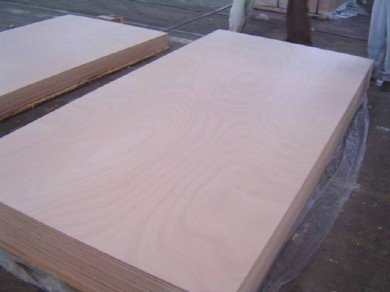
Buyers who search for plywood best price usually want one thing: a delivered sheet cost that survives freight, waste, and payment terms. The lowest quote rarely wins on the final invoice. Mills grade panels and price by core, glue, and face before any supplier adds margin.
This guide shows what actually moves the number you pay and how to compare suppliers without trading away panel quality.
Panel cost starts at the mill, not the sales desk. Four inputs set the base number before margin enters the picture: core species, glue type, face grade, and sheet thickness. A mill that runs poplar cores quotes differently from one that runs eucalyptus, and the gap widens once you add marine-grade adhesive or a sanded face.
Buyers who track these inputs negotiate from facts instead of guesswork. A 12mm sheet and an 18mm sheet share labor and shipping steps but differ sharply in raw material. Understanding this split helps you spot padding in a quote before you sign anything.
Price also reflects moisture content and pressing method. Panels dried to a lower moisture target resist warping but cost more energy to make. A marine or moisture-resistant glue line lifts the base cost above interior grades. When two quotes differ by more than fifteen percent on the same spec, one of these inputs has changed.
Core species drives density and screw-holding power, so it drives price. Glue type, from interior to exterior WBP, adds cost at each step up the ladder. Face grade, from utility to sanded A/A, adds more again. Request the full specification in writing so each supplier quotes the same panel.
Suppliers who sell Commercial Plywood publish these three variables openly. Ask for them on every comparison and record the answers in one place.
Keep a one-page template with fields for species, glue, face, thickness, and moisture. The template forces each supplier to answer the same questions, and it turns the next comparison into a task of minutes instead of hours.
Nominal 18mm panels often measure 17.2mm to 17.8mm in the trade. A thinner actual panel costs the mill less wood, so some suppliers quote on nominal size and ship at the low end of tolerance. Confirm the real thickness and the allowed range before you lock a price.
Two mills can quote the same nominal sheet and deliver different wood. A written tolerance clause in the purchase order protects you from that gap on arrival.
A short quote hides costs that surface later. Freight on full truckloads, minimum order quantities, and payment terms all change the real number. A buyer who compares only the sheet price misses the parts that decide profit.
Every purchase carries a landed cost, and that number, not the factory price, decides whether the order makes money. Small differences in freight and waste swing the outcome on thin margins.
Importers often discover the true price only after customs and inland trucking. Duty rates, port handling, and the last-mile haul to a warehouse add fixed costs that a factory quote ignores. Build these into a model once and reuse it for every container.
Freight scales with weight and volume, so a denser core costs more to move. Packaging adds a small fee but prevents edge damage that turns shippable stock into scrap. Factor both into a landed cost, not a factory cost.
Cheap panels with voids or thin faces create cut waste and rework on site. When a crew rejects sheets, the effective price per usable panel climbs fast. Track rejection rates on your first order and reuse that data in the next negotiation.
Set a clear acceptance standard before the first delivery. Write the grade, the measured thickness, and the allowed defect count into the contract. A written standard stops disputes at the dock and gives both sides a fast way to settle claims.
Value means the lowest usable cost at the quality your project needs, not the lowest headline number. Build a scorecard and score every supplier on the same items so the comparison stays fair across quotes.
A fair scorecard removes emotion from the decision. It also gives you evidence to show a supplier when you ask for a better rate on the next contract.
List every quote beside the same specification. Mark panels that meet the spec, then adjust each price for tolerance, freight, and payment terms. The supplier with the best adjusted price usually wins the repeat order.
| Factor | Low-cost supplier | Value supplier |
|---|---|---|
| Actual 18mm thickness | 17.0mm | 17.6mm |
| Glue type | Interior | Exterior WBP |
| Landed cost per sheet | Lower | Higher |
| Rejection rate | Higher | Lower |
Ask each supplier to confirm the core species, the glue class, the face grade, and the tolerance in writing. Request one project reference in your market. Suppliers who answer fast and consistently usually ship consistently too.
Weight your scorecard so quality factors carry more weight than a single low bid. A supplier that scores well on tolerance and rejection rate protects your production schedule, and a smooth schedule saves more cash than a tiny discount.
Compare the technical data sheet against the packing list once the container arrives. The check takes twenty minutes and catches substitutions before the panels reach production.
Measure a sample from every bundle, not just the top sheet. Record caliper readings and note any core gaps or face checks. Three measurements per sheet on a random sample give a fair picture of the whole run.
Different panels carry different price points because they solve different problems. Match the panel to the job, and the best price becomes obvious for each line of the order.
Spending on the wrong panel wastes money in both directions. An underspec panel fails early, and an overspec panel adds cost the project never needs to carry.
Thicker panels raise both material and freight, so a 4mm increase on a large order changes the budget in two places. Confirm the load the structure must carry before you accept a heavier sheet. The right thickness at the right grade beats a heavier panel at the wrong grade every time.
Crews use Film Faced Plywood for concrete formwork because the resin face releases cleanly and survives repeat pours. The higher sheet cost pays back through reuse and smoother concrete surfaces.
Cabinet makers buy Melamine Plywood for ready-finished faces that skip lamination labor. Decorators choose MDF Board for uniform density under paint and veneer.
Terms often save more than a discount on the sheet itself. Volume commitments, deposit ratios, and shipping schedules all give a supplier room to cut the price without cutting quality.
Strong buyers treat terms as part of the price. A supplier who ships on a predictable schedule carries less risk and prices that lower risk into the quote.
Currency and lead time change the offer as well. A quote in the supplier currency shifts with the exchange rate between order and shipment. Lock the rate or set a clear adjustment clause so neither side absorbs a sudden swing.
Commit to a rolling volume instead of a single order and ask for a schedule-based rate. A steady monthly draw lets the mill plan production runs and pass part of the savings back to you.
Offer a clear deposit and balance against documents. Add an inspection clause that allows a third-party check before shipment. Suppliers accept fair terms and price them lower because the risk drops on both sides.
Most buyers lose money in the same three ways. Avoiding them keeps your realized cost close to your quoted cost and protects the margin on resale.
Buyers also forget to add the cost of returns and replacements. A rejected container turns into storage fees, second shipping, and lost sales time. Price that risk into the model, and a slightly higher quote from a reliable mill often wins the order.
Suppliers such as HYY quote against the same specification sheet, so buyers compare each line without renegotiating the scope.