Our Location
5th Floor, Huake Center, Lanshan District, Linyi City, Shandong Province, China

5th Floor, Huake Center, Lanshan District, Linyi City, Shandong Province, China
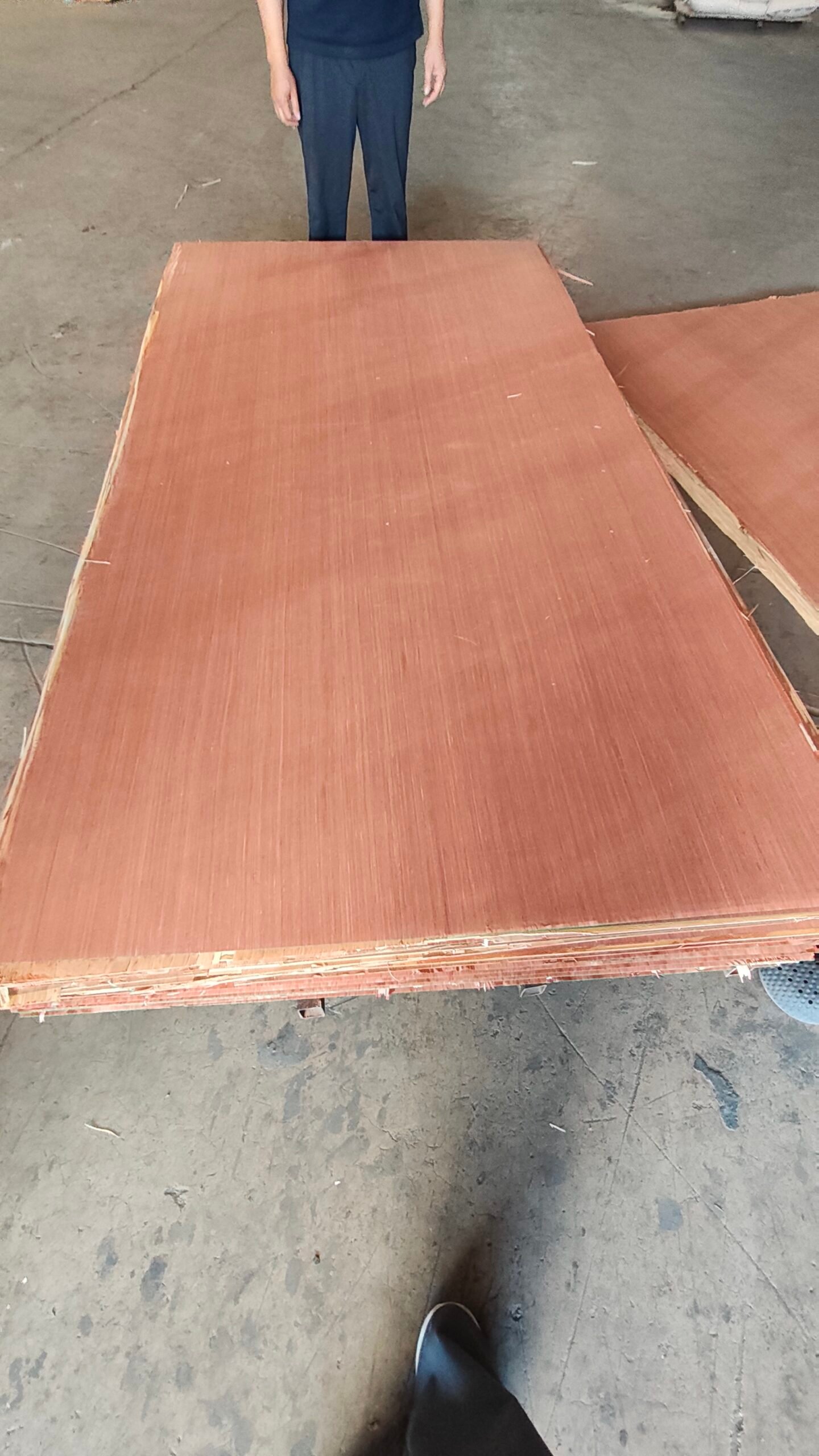
Searches for i 95 plywood accident spike after a truckload of sheathing comes apart across an interstate, and the questions underneath are almost always the same: why did the load shed, and who pays when it does. The pattern behind these incidents is technical, not random, and it follows dozens of truck types carrying the same panels every day.
The message for shippers is proactive: a load that passed inspection at the yard can fail an hour later on the interstate, and the two control points that keep it safe are the initial layout and the first recheck. Every writing section below builds toward those two control points.
This guide explains the physics of a slipping bundle, the costs of a failed load, and the securement rules buyers and shippers should enforce before a truck leaves the yard.
Plywood stacks take a beating that most cargo never sees. Stacked sheets slide against each other on slick overwraps, and each panic stop pushes the bundle forward faster than the truck slows.
Sheets in a bundle carry a smooth paper or film surface, which lowers the friction between layers. When the truck decelerates, the upper sheets keep moving while the lower stack holds, and the differential pushes the whole bundle toward the headboard.
Heavy bundles press their own layers together, which increases friction and holds the stack. Light stacks of thin sheets carry less vertical load, so they rely almost entirely on strapping tension and edge guards to hold position.
Highway wind loads a large panel like a sail. Wide bundles catch crosswind gusts that shift the stack and loosen initial tension, and a strap set tight at the loading dock loosens after a few miles of vibration.
Most shed accidents follow one of three physical failures: the straps stretch or slip, the bundle shifts and pushes an edge out, or the overwrap tears and exposes the sheets to airflow.
Every failure on that list leaves a predictable trace, which is why investigators can usually reconstruct the point where the load gave way.
Plywood corners and banding strips cut into webbing when the load shifts. In contrast, edge protection spreads the force across the strap, so simple corner guards prevent most friction cuts before they start.
Photograph the strapped load before the truck leaves and keep the check sheet with the bill of lading. The record answers insurance questions quickly and shows a court or an inspector that the securement routine actually ran.
The visible cost is the scattered sheeting on the pavement, but the full number runs deeper. Lane closures, injuries, environmental cleanup, and the damaged reputation of the carrier all stack onto the invoice of the load itself.
Securement is the shipper’s and the carrier’s shared obligation under transport rules. Consequently, the contract between the two should name who inspects the tension, and the bill of lading should record the securement check for every departure.
Insurers price this risk into premiums, which means repeated securement failures raise freight costs for every buyer shipping panels on that lane.
Proper securement starts at the loading plan, not the roadside check. Layout the bundles so the stack stays within the headboard, then tension the restraint system against a solid stop.
| Step | Action | Why it matters |
|---|---|---|
| Load flat | Keep bundles flat and level | Even bearing prevents edge crush |
| Face forward | Align panels with the frame | Reduces wind lift and shift |
| Protect edges | Fit guards at corners | Stops straps from cutting |
| Restrain early | Tighten straps before moving | Lock the set before miles of vibration |
| Recheck | Retension after first miles | Covers strap stretch and seat |
Follow the table as the minimum routine, then add load locks for tall stacks. The first hours of a run matter most, because straps take a permanent stretch during initial seat.
Fatigue turns a minor shift into a delayed reaction. Plan driving hours around the recheck stops so the driver can tension straps while alert, rather than discovering slack at the end of a long shift.
Give the driver a contact for reporting a shifted bundle before it becomes a spill. A quick stop to retension a strap costs minutes, while a shed load on a live lane costs hours of closure and a police report.
Confirm the route height, the expected winds, and the delivery window before loading. A planned stop after the first miles gives the team the recheck opportunity that prevents a loss during a long night run.
Before the truck pulls away, run the tightness test on every strap, confirm the edge guards sit at the corners, and look down the stack for a shift line. The check takes minutes and catches most of the failures that investigators find after a spill.
Drivers who learn the tension test and the recheck schedule prevent more spills than any single hardware upgrade. Furthermore, a written checklist inside the cab beats a memory check after a long night.
This article explains the general physics and practice of plywood securement, and it does not describe the specific details of any single crash. For any named incident, consult the official accident records and the transport authority report, because the circumstances vary from load to load.
Check the latest cargo securement standard and the state transport regulations for the lanes you run. Rules update with new vehicle types, so print the current edition rather than relying on a remembered version.
Agree in advance who calls the road authority, who photographs the scene, and who notifies the insurer. A rehearsed sequence clears lanes faster and preserves the evidence the claim needs.
Crosswinds and panic stops do the damage, so route planning matters. Strong-wind advisories and high-speed stretches deserve either a slowed pace or an extra recheck, and drivers should reduce speed ahead of the event rather than react to it.
Investigations occasionally change recommended practice for a particular load type. Follow the authority’s final report and update the yard procedure accordingly, because safe practice follows the evidence.
Answers to the questions shippers and carriers raise when a load plan is on the table.
Most cases trace to strap stretch, a shifted bundle, or a torn overwrap that appeared after loading. The tension test and a recheck after the first miles catch each one.
Transport rules split the duty between shipper and carrier. The written contract should name who inspects and retightens, and the bill of lading records the check.
Yes, standard bundles secure well with edge guards, proper tension, and a recheck. Overpackaging adds cost without adding safety when the restraint basics hold.
Smooth overwraps and premium faces lower friction, so they need firmer tension and edge guards. Textured panels grip more, yet every load still follows the same restraint routine.
Ask about the cargo coverage at the same time. Confirm what the insurance policy covers when a load sheds, because gaps between shipper and carrier coverage surface exactly when a spill happens.
Retension within the first miles, then again at the first stop. Ignoring the first seat leaves slack that compounds through the run.
Treat every plywood departure as a load that will vibrate, catch wind, and test its restraints. Secure bundles flat, guard the edges, tension against a solid stop, and recheck after the first miles, then record the check on the bill of lading. Panel construction influences handling, so match the cargo spec to the rig: Commercial Plywood covers the everyday sheet range, Film Faced Plywood suits export containers with a sealed overlay, and Melamine Plywood rides smooth overwraps that need extra guard. Confirm loading advice and bundle specifications with HYY before the truck leaves, and verify the current securement rule against the lanes you run.