Our Location
5th Floor, Huake Center, Lanshan District, Linyi City, Shandong Province, China

5th Floor, Huake Center, Lanshan District, Linyi City, Shandong Province, China
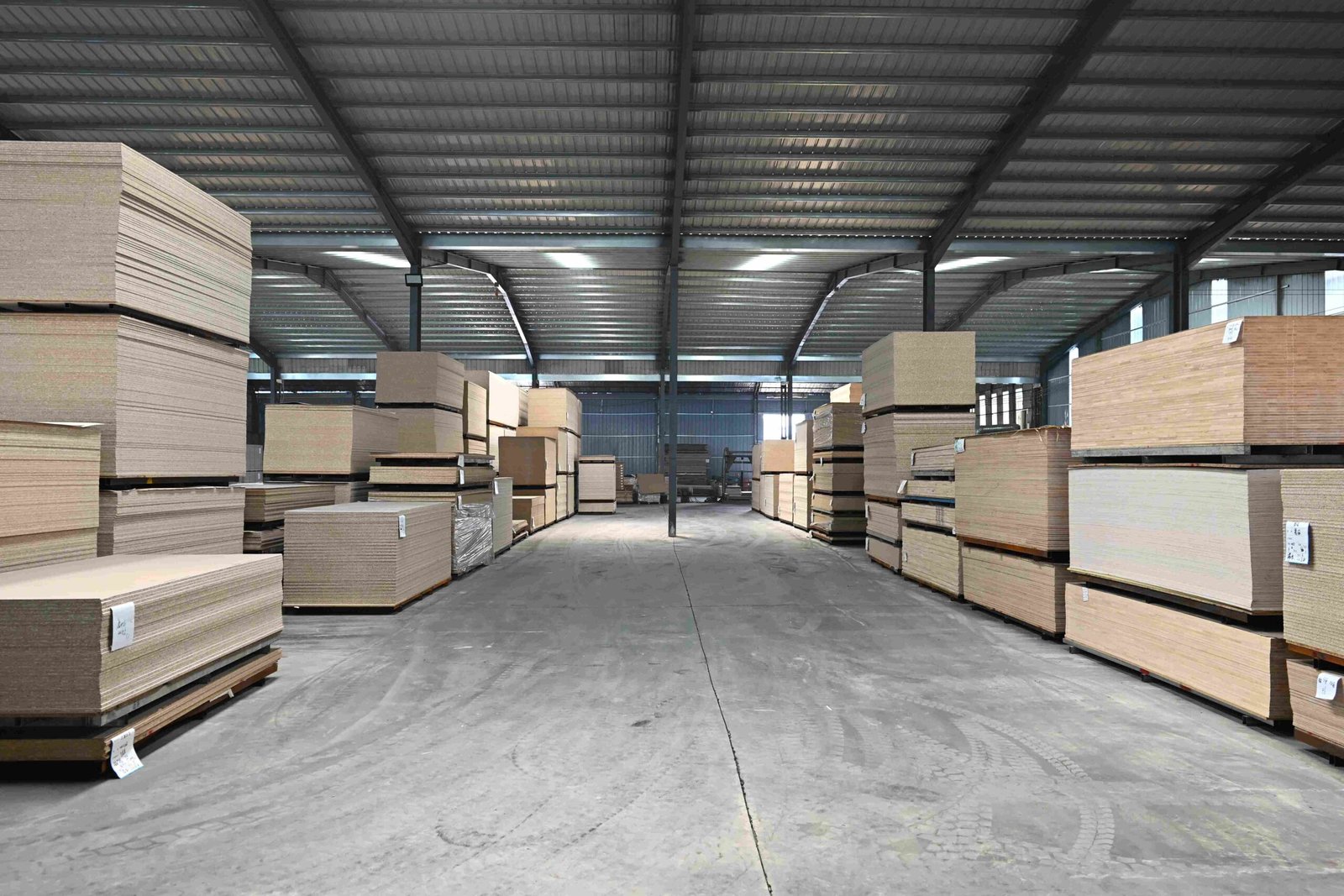
A plywood gripper exists to move a full sheet from the stack to the saw without two people fighting the weight and without a clamp foot denting the face. The tool takes the load off the crew and protects the panel at the same time, which matters most when the sheet carries a show face.
This guide covers the two families of grippers, the load and suction checks that keep a sheet in the air, the handling habits that prevent edge damage, and the purchase details that match a tool to the panels the shop actually cuts.
Panel grippers split into vacuum lifters that hold by suction and clamp lifters that hold by mechanical grip, and each family suits a different sheet and a different workflow.
A suction cup seals against a face that is clean, dry, and smooth enough to hold air pressure. Dust, oil film, or a rough veneer breaks the seal mid-lift, so the contact area gets wiped before every set rather than after the sheet drops.
A hand-pump cup costs less and travels to a job site in a small case, which suits a maintenance crew that lifts a panel a week rather than a shift. The operator resets the cup by hand, so the tool rewards patience rather than continuous duty.
A vacuum cup seals against a smooth face and holds through air pressure, which keeps the tool off the edges and away from the plies. The cup demands a clean, non-porous surface, so a rough sheathing face or a dusty sheet breaks the seal and drops the load.
A clamp lifter grips the panel at the top edge with padded jaws, and it works on rough faces that reject suction. The grip puts pressure near the edge, so the jaw pads and the clamping force both deserve a check against the panel face.
A furniture shop that handles clean sanded panels all day runs well on vacuum cups, while a yard that moves rough sheathing leans toward clamp lifters. Mixed work often justifies one of each, because the wrong tool on the wrong face costs a rejected sheet.
The tool holds only as well as its rating and its maintenance allow, and both deserve a check before the sheet leaves the stack.
| Check | What it prevents | When to run it |
|---|---|---|
| Rated load | Dropping a sheet past capacity | Before each shift |
| Cup condition | Slow suction loss mid-lift | Weekly and after impacts |
| Jaw padding | Face dents at the clamp | Before each clamp lift |
| Vacuum gauge | Silent seal failure | Before the first lift |
A single cup handles a light panel on a clean face, while a full sheet wants two cups spaced so the load balances between them. The two-cup setup keeps the sheet level in the air and spreads the pressure away from any single point on the veneer.
A panel that weighs within the rating on a dry face still overloads the tool when the surface is dusty or damp, because the seal carries less than the rating assumes. Read the rating against the worst surface the shop handles rather than the average one.
Suction cups left on a hot rack dry out and lose the elasticity that makes the seal, and a hard cup leaves a ring on the face. Store the tools in a shaded drawer, then wipe the cup before every seal so the contact stays clean and soft.
A vacuum gauge shows a seal that is slipping before the sheet moves, and the crew can set the load down instead of chasing it across the floor. The gauge turns a silent failure into a warning the operator can read.
Most panel damage happens in the minutes around the lift rather than in the cut, and three habits cover most of the risk.
Carrying a sheet with the face leading keeps the fragile rim away from door frames and rack posts. The habit protects the edge that moisture will later try to enter, and it keeps the crew from gripping the very corner that crushes first.
Edges and corners suffer the collisions of a busy floor, and a crushed edge opens the plies to moisture that the finish cannot hide. Guide the sheet by the face rather than the rim, and route the walk path away from door frames and rack posts.
A five-minute walkthrough on cup cleaning, load rating, and the walking path prevents the drop that a new tool invites. Run the crew through one supervised lift on a scrap panel, then let the habit carry into the production sheets that follow.
A gripper carries the weight, yet a full sheet still catches air and swings in a doorway, and a second person steadies the load. The habit costs a minute at the stack and prevents the sheet that folds against a wall.
The purchase follows the panels the shop handles most, and four details settle the comparison between tools.
A shop that moves sheets all shift often earns an electric vacuum pump rather than a hand pump, because the crew stops resetting the cup by hand. The pump holds the seal across the walk and releases with a valve instead of a pry.
Capacity should clear the thickest, densest panel on the current order list with margin, because the heavy sheet is the one that tests the tool. A gripper bought for the average sheet fails on the outlier that arrives next season.
Suction cups leave no mark on a clean face, while clamp jaws mark a soft veneer if the padding is thin. Ask for a test lift on a scrap face before the purchase, because the mark tells the story the catalog cannot.
Pads and cups wear, and a tool whose pads are expensive or slow to replace costs more over a season than the price gap suggests. Confirm the spares before the order, then keep a set in the shop drawer.
Answers shops raise before the first lift.
One person can run a gripper on a light sheet, while a full panel still wants a second pair of hands at the far edge. The tool carries the weight, and the second person steers the load through the doorway.
A clean cup on a clean face leaves no lasting mark, while a dusty or worn cup can leave a ring that sanding removes. Clean the contact area before every seal.
Yes, and that is where clamp lifters earn their keep, because suction fails on a rough surface. Check the jaw padding against the face before the lift.
Clear the heaviest panel on the order list with margin, because the heavy sheet tests the tool. Read the rating against the worst surface the shop handles.
On full sheets, yes. The gripper carries the weight while the second person steadies the load through doorways and across the floor.
Replace on wear, on slow seal loss, or after any impact that deforms the cup. Keep a spare set in the drawer so the shift does not wait on a part.
A gripper earns its place when the capacity clears the heaviest sheet, the pads suit the face, and the crew follows the cleaning and walking habits that keep the edge safe. Once those hold, the tool carries the weight that two people used to argue about. When the next delivery of sheets arrives, Commercial Plywood covers the general range, Melamine Plywood brings a factory face that resists handling marks, and Film Faced Plywood seals surfaces for wet service. Confirm the panel face, the batch, and the certificate with HYY before the next lift, then check the delivered sheets at the dock.