Our Location
5th Floor, Huake Center, Lanshan District, Linyi City, Shandong Province, China

5th Floor, Huake Center, Lanshan District, Linyi City, Shandong Province, China
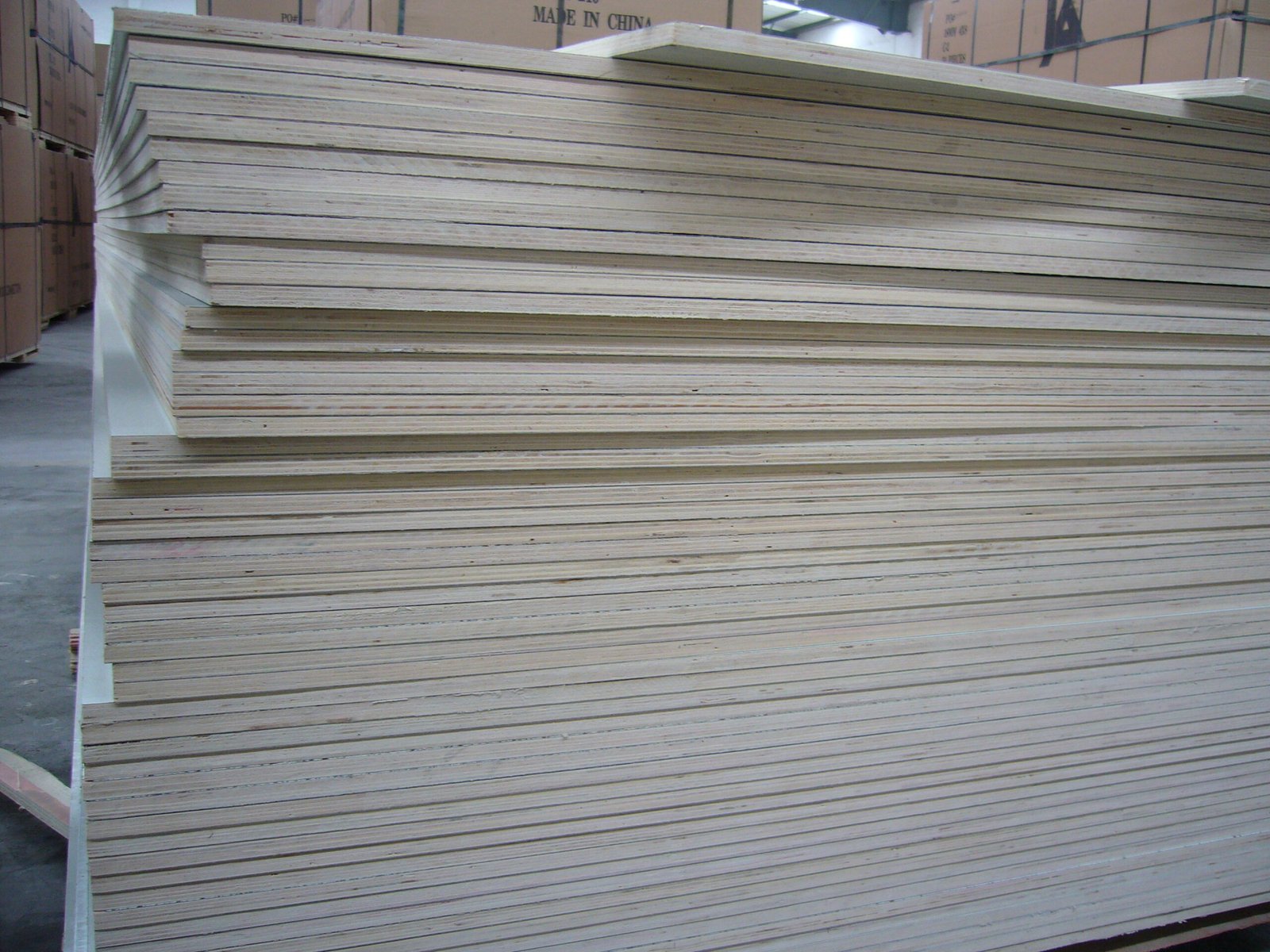
A buyer who keeps a plywood grading guide open next to the quote stops guessing at face letters and starts reading them as allowances. The letters describe how much natural character a surface may carry, and the chart behind them turns that description into a testable promise.
This guide walks through the ladder, shows how a chart drives the price, explains how to match a tier to a drawing, and gives the receiving checks that close the loop at delivery.
Grading ladders run as a short alphabet where each letter marks a different allowance for defects on the face. The ladder works the same way across most catalogs, and the supplier chart fills in the exact limits that a buyer checks against.
The face grade tells a buyer how the surface looks, while the structural rating tells how the panel behaves under load. A clean letter can sit on a panel with a modest structural class, so the two marks answer different questions on the same sheet.
A and B faces allow only small, well-matched repairs, and they carry the surfaces that meet a clear or light finish. Buyers who pay for those tiers expect the sheet to reach the coating stage with little fill, and the price reflects the veneer the mill set aside.
C faces allow sound knots and tone variation within written limits, and they carry painted work and covered positions. The allowance saves the buyer the cost of a face the finish would hide anyway.
D faces permit open knots and heavy variation, and they serve hidden structure and packaging. The tier prices the core rather than the surface, which makes it the cost tool for parts nobody sees.
Every letter rests on a written chart that counts the defects the surface may carry, and the chart outranks a supplier memory of what a grade means. Buyers who hold the chart gain a document the dock can test against.
| Chart element | What it allows | What to request |
|---|---|---|
| Knot size and count | Natural marks on the face | Written limit per class |
| Repair allowance | Patches that stay sound | Description of a clean repair |
| Tone variation | Color shift across the sheet | Range the class accepts |
| Open defect ban | What disqualifies a face | Rejection criteria in writing |
The chart names a face tier and a separate core description, and the two do not move together. A panel with a clean face can carry a repaired core, so the order must state both the face tier and the core class the drawing requires.
A face chart ranks the surface and leaves the core and the bond to their own documents, so a fine face can still sit on a weak core. Read the core spec as a separate line, because a hidden panel that holds screws needs the construction that only the core delivers.
The same letter can carry slightly different limits across catalogs, and the buyer who compares letters alone compares nothing. Ask each supplier for the chart behind the quote, then hold the two pages side by side before the price discussion.
A drawing tells which surfaces show and which stay hidden, and the grade choice follows that reading rather than a catalog preference. Three habits keep the match honest through the build.
A painted surface accepts a lower tier, yet the fill hours still scale with the defects the tier allows. A tier with open knots demands more shop time than a tier with small matched repairs, so the estimate should list both the tier and the fill before the order goes out.
A painted position hides tone shifts but not open defects, so the tier can drop one rung as long as the fill stays sound. Buyers who grade the painted work to a working face save the price gap and spend the difference on prep that the finish actually shows.
A transparent coat magnifies every patch and line, and the tier that survives it sits at the top of the ladder. The price gap buys the veneer that the finish will display rather than hide.
Behind a lining or under a floor, the face never meets the eye, and the working tier carries the structure at the lowest material cost. Grade those positions first, because that is where the ladder saves the most money per square foot.
The tier price only makes sense beside the labor it saves, and the two together decide the cheap option. Buyers who price only the sheet miss where the money moves.
A lower tier plus shop sanding hours can cost more than the next face up with no prep. Ask the estimator to list the tier price and the prep hours as separate lines, then compare the totals rather than the sheet price alone.
A working face asks for fill, sand, and prime before it meets the finish, while a clean face skips most of that work. Sum the hours against the price gap, and the cheaper panel usually reveals itself in the total rather than on the sheet price.
An estimate built on the chart and the prep hours survives the invoice, while one built on a catalog preference surprises the shop halfway through the run. Carry both lines into the quote, and the client sees the same value the panel delivered.
The receiving check ties the delivered sheets to the quoted tier, and three readings settle the acceptance before the panels leave the dock.
The certificate names the lot, the thickness, and the tests that back the stamp, and it belongs in the order file rather than the recycling bin. When a customer questions a delivered grade months later, the certificate settles the question against the stamp the sheets carried.
The stamp carries the pair, the thickness, and the lot code, and the certificate names the tests behind those values. A mismatch earns a hold rather than a discovery at the saw.
The sample settles texture and tone that letters describe only in words, and the comparison takes seconds at the stack. Buyers who accept on the visible comparison avoid the argument that follows a memory-based dispute.
Answers buyers raise once the chart reaches the desk.
The letter guarantees the surface limits the chart allows, and nothing beyond that. It does not guarantee stiffness, bond class, or moisture performance, so the order must name those marks alongside the face tier.
Not always. Ask each supplier for the chart behind the quote, then compare the limits rather than the letters alone.
The first letter of the pair names the show side. Confirm the order in writing and check the stamp before the sheets reach the saw.
No. The letters rank the surface, while the bond class names the exposure. Choose the bond for the room, then read the face.
Almost always. The saving funds the prep that a visible face demands, and the covered surface never displays the difference.
Match the stamp to the certificate for the same lot, then compare the face against the approved sample at the dock.
Read the ladder as a set of allowances, hold the chart beside every quote, and assign a tier to each position on the drawing before the order goes out. Then verify the stamp against the certificate and the face against the sample. When the project needs panels with a documented batch, Commercial Plywood covers the general range, Melamine Plywood finishes interiors in one overlay, and Film Faced Plywood seals surfaces for wet service. Confirm the tier, the bond, and the certificate with HYY before the order goes out, then inspect the delivered stamp at arrival.