Our Location
5th Floor, Huake Center, Lanshan District, Linyi City, Shandong Province, China

5th Floor, Huake Center, Lanshan District, Linyi City, Shandong Province, China
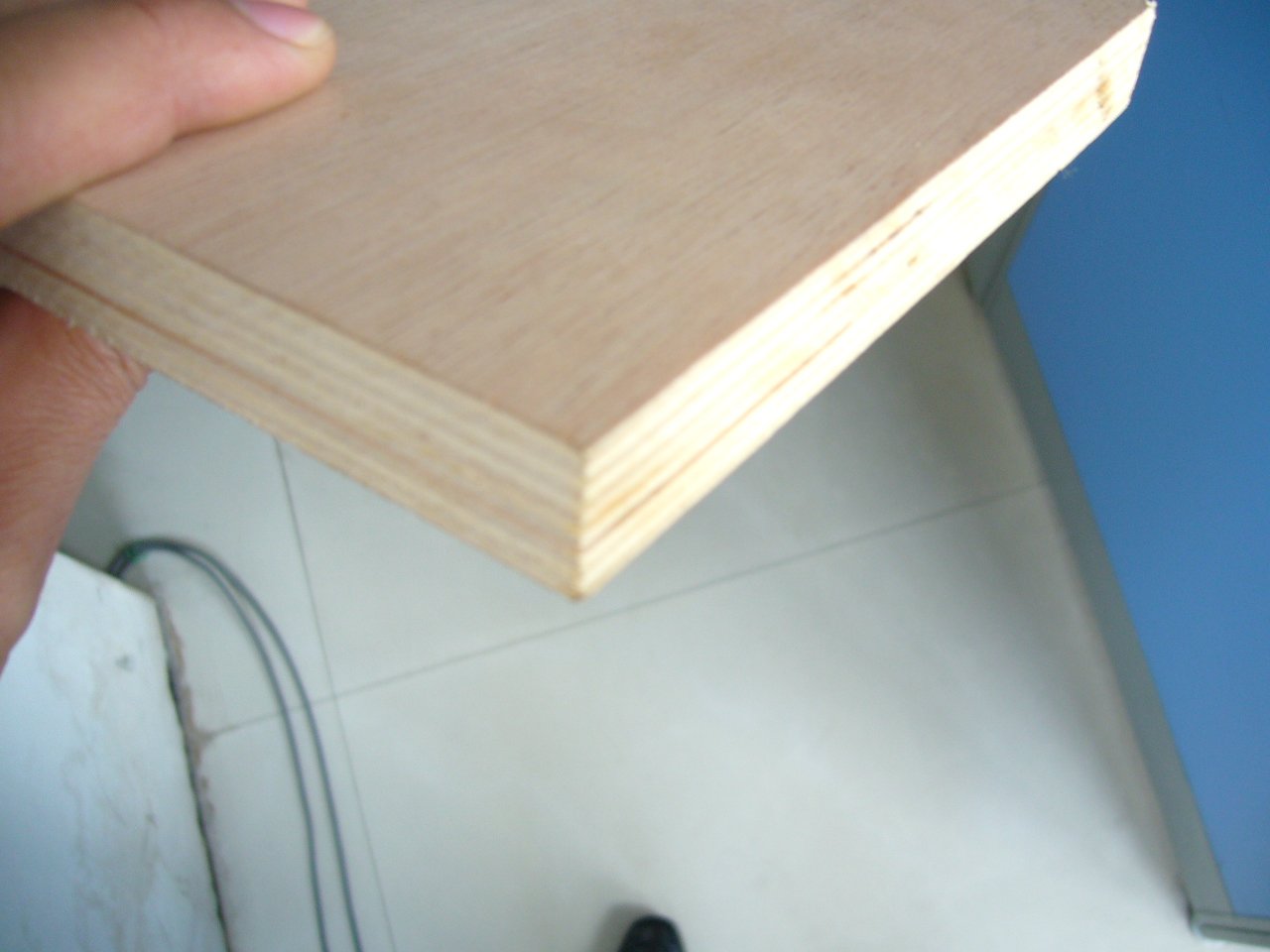
A plywood guide aimed at buyers starts with the three decisions that pick a panel, because every catalog line eventually reduces to a core, a face, and a bond. The core carries the load, the face meets the eye, and the bond answers the room.
This guide walks through those three choices, shows how thickness and span follow the core, explains how face tiers trade against prep labor, and finishes with the receiving checks that tie the delivered sheets to the order.
Core construction decides how a panel behaves under a fastener, a shelf, or a span, and the choice starts with what the panel must hold rather than with the face it shows.
Suppliers name the core by its construction, and the name tells a buyer how the panel will hold a fastener. A solid core grips a screw thread, while a patchwork core is built for covered positions that carry little point load. Read the construction name on the quote before the price discussion.
A solid core grips screws and holds a shelf pin without splitting, while a patchwork core serves covered positions that carry little point load. The two cost differently, and the drawing tells you which one a position needs before the quote arrives.
Hardwood cores hold a screw thread tighter than softwood cores of the same thickness, and the price gap shows up at the fastener. Buyers who drive hundreds of screws per unit often choose the hardwood core for the labor it saves at the driver.
More plies spread the load across the thickness and resist the twist that a thin panel gives up, so the ply count follows the span rather than a habit. Buyers who read the span first choose the thinnest panel that holds the line.
A clean face can sit on a weak core, and the cut edge reveals the construction that the face conceals. Inspect the edge at the dock, because a voided core fails at the fastener long before the finish complains.
Face grading ranks the surface by the defects it may carry, and the tier choice trades material price against prep labor. The right tier follows the finish, not the catalog photograph.
| Face tier | What it allows | Where it earns its keep |
|---|---|---|
| Clean face | Small, matched repairs only | Clear finishes and visible furniture |
| Middle face | Sound knots and tone shift | Painted work and covered panels |
| Working face | Open defects and heavy variation | Hidden backs and structure |
A physical face sample shows the tone and grain the catalog photograph cannot, and it settles the paint match before the order ships. Hold the sample against the room finish under the same light the space will see, then approve the tone in writing.
Veneer tone shifts between harvests, so a panel approved in the sample can drift on the next run of the same letter. Order the full quantity from one batch when the finish shows the face, then store the sheets flat together so the tone stays matched across the project.
A painted surface accepts color variation and rejects open defects, so the tier can drop as long as the fill stays sound. Buyers who grade painted work to a working face spend the price gap on prep that the finish actually displays.
A transparent coat magnifies every patch and line, and only the clean face survives that inspection. The price gap buys the veneer that the coating will display rather than hide.
Glue line exposure decides how a panel behaves in damp air, wet service, or exterior weather, and the bond class answers that question separately from the face.
The certificate names the bond class and the test that backs it, and that line outranks a memory of a similar panel. Match the bond on the certificate to the exposure on the drawing before the sheets reach the frame, then file the document with the order.
A clean face on an interior bond fails quickly outdoors, because the glue line delaminates while the veneer still looks fine. Fix the bond first, then read the face against the finish plan.
Even a moisture-rated bond loses the battle at an unsealed cut edge, where water enters the plies directly. Seal every exposed edge with a system the exposure accepts, then let the panel cure before traffic.
Once the core and the bond settle, thickness answers the span question, and the stamped rating on structural panels ties the sheet to a support spacing.
The span rating on a structural panel is a lab figure rather than a trade estimate, so it outranks a memory of last season order. Hold the stamp against the drawing and close the support spacing the number names, then let the frame match the rating.
Structural panels carry a span rating on the face, and that number outranks a memory of last season order. Hold the stamp against the drawing before the sheets reach the frame.
Closing a span with closer supports often costs less than stepping up a full thickness tier, and the two options should be quoted together. The cheaper path reveals itself in the total rather than on the sheet price.
The receiving check ties the delivered sheets to the three decisions, and three readings settle the acceptance at the dock.
The stamp carries the pair, the thickness, and the lot, while the certificate names the tests behind those values. A mismatch earns a hold before the panels reach the saw.
The receiving sheet should carry the lot number from the stamp and the certificate date, so the paperwork follows the sheets into the frame. A mismatch between the recorded lot and the delivered stamp earns a hold before the panels reach the saw.
The cut edge reveals the core the face conceals, and the face confirms the tier against the sample. Run both checks before the bundle leaves the receiving area, then file the certificate with the order.
Answers buyers raise before the quote goes out.
On commercial work the estimator or the site engineer signs off the panel choice, while small shops settle it at the counter. Either way, the person who signs should see the three decisions written on the order rather than assumed in a phone call.
The bond follows the room, the core follows the load, and the face follows the finish. Fix the first two before the price discussion.
It serves covered positions, while painted visible work prefers the middle tier. Grade each position on the drawing rather than ordering one face for the whole build.
No. The letters rank the surface, while the bond class names the exposure. Choose the bond for the room, then read the face.
Match the stamp to the certificate for the same lot, then compare the face against the sample and check the edge for voids.
Yes, because tone drifts between runs and the certificate ties the delivery to one documented batch.
Read every catalog line as a core, a face, and a bond, then let thickness answer the span that the core must carry. Confirm the tier against the finish, the bond against the room, and the stamp against the certificate. When the project calls for panels with a clear paper trail, Commercial Plywood covers the general range, Melamine Plywood finishes interiors in one overlay, and Film Faced Plywood seals surfaces for wet service. Confirm the core, the face, and the bond with HYY before the order goes out, then verify the delivered stamp at the dock.