Our Location
5th Floor, Huake Center, Lanshan District, Linyi City, Shandong Province, China

5th Floor, Huake Center, Lanshan District, Linyi City, Shandong Province, China
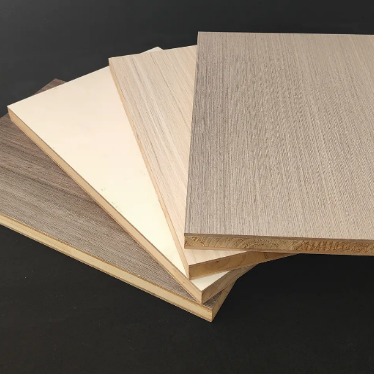
When buyers ask about plywood cost, they usually mean the price of a finished, delivered sheet, not a factory tag. The number depends on core species, glue class, face grade, thickness, and freight. This guide breaks each part into plain terms so you can build an accurate budget before you request quotes.
You will see how mills price panels, where hidden costs hide, and how to compare offers on one fair basis.
Mills build a sheet price from four cost centers: veneer, adhesive, labor, and energy. Veneer quality sets the floor, because clear, defect-free plies cost more to peel and sort. Adhesive adds cost by class, and pressing time adds energy and machine hours to the total.
A mill also spreads fixed costs across each run. Setup, tooling, and quality control add the same amount whether the run holds one hundred sheets or one thousand. Large orders absorb those fixed costs across more units, so the per-sheet price drops. Buyers who understand this point plan orders around full production runs instead of small, frequent lots.
Seasonal demand shifts the base rate too. When construction peaks, veneer and shipping capacity tighten and prices rise. Booking volume in a slower month often secures a better rate and a firmer delivery window.
The final tag also reflects mill margin and order size. A mill that runs one grade on a dedicated line prices lower than one that switches grades often. Efficiency, not just materials, decides the number you see.
Veneer species and grade drive the base cost. Poplar and eucalyptus cost less than birch or okoume, and they machine differently on the shop floor. Clear face veneer costs more than utility grade, so a sanded A/A panel prices above an unsanded utility sheet of the same size.
Core construction also affects cost. More plies mean more glue lines and more labor, so a five-ply sheet prices above a three-ply sheet of the same thickness. The extra plies reduce voids and improve screw holding, which buyers pay for when strength matters.
Interior glue costs least, moisture-resistant glue costs more, and exterior WBP glue costs most. Each step adds resin and pressing time. For wet or exterior use, the higher glue class prevents delamination and protects the whole project from early failure.
Pressing temperature and cycle time affect both cost and bond strength. A mill that shortens the cycle to save energy can weaken the glue line, which shows up months later as edge swelling. Buyers should treat a suspiciously low price on exterior panels as a warning sign and ask for the bond class in writing.
Two panels can share a nominal size and still differ by half in price. Buyers who know the drivers predict the tag before a quote arrives and judge whether an offer looks fair.
Quantity matters as much as any single factor. A full container of one size and grade costs less per sheet than a mixed load. Mills spend time on setup and edge trimming for each change, and they pass that time back to the buyer in the rate.
Raw material scales with thickness, and freight scales with weight. A jump from 12mm to 18mm raises both the wood and the shipping charge. Standard 1220x2440mm sheets cost less per square meter than trimmed or oversized panels because they run on standard lines.
Face grade decides how much usable surface you receive. Sanded faces cost more but save labor on furniture and cabinets. Utility faces cost less and suit hidden structural layers where appearance does not matter.
Panel size interacts with labor cost. A sheet that matches the finished part cuts fewer times, wastes less, and speeds assembly. The cheapest sheet is not always the cheapest panel once crews start cutting.
| Factor | Effect on cost |
|---|---|
| Core species | Higher density and hardness raise price |
| Glue class | Exterior WBP adds the most |
| Face grade | Sanded A/A adds the most |
| Thickness | More wood and more freight |
| Order size | Full containers lower unit cost |
A low sheet price can still produce a high final cost. The gaps sit in freight, port fees, packaging, and the thickness tolerance the mill applies to every bundle.
Payment terms carry a cost even when they look free. A supplier who offers long credit builds the financing cost into the sheet price. Buyers who pay a fair deposit in exchange for a lower rate usually come out ahead over a full year.
Ocean freight, terminal handling, and inland delivery add a fixed sum per container. Denser cores raise that sum. A supplier who quotes only the factory price leaves you to absorb every shipping change later.
Container loading adds another variable. A supplier who packs efficiently fits more sheets per container and lowers freight per sheet. Poor loading wastes space and pushes the unit cost up without any gain in quality.
Panels that arrive under the nominal thickness cut usable area and create rework. When a crew rejects sheets, the effective cost per usable panel climbs. Buyers who measure arrival samples catch this early and negotiate with facts.
Damaged edges add another hidden cost. Thin packaging saves a small fee at loading but raises breakage in transit. When a bundle arrives with crushed corners, part of the load turns into scrap and the real cost climbs above the quoted figure.
Different products sit in different price bands because they solve different jobs. Matching the panel to the task keeps cost aligned with value.
Buyers who study the price bands plan orders around the products they use most. Concentrating volume in a few grades earns better rates than spreading small lots across every product family.
Formwork crews buy Film Faced Plywood for repeat pours because the resin face releases cleanly and survives reuse. Cabinet shops buy Melamine Plywood for ready-finished faces that remove a lamination step. Budget furniture backs use Chip Board, and paint-grade millwork uses MDF Board.
Each product carries its own cost band, and the band reflects reuse, finish, and labor savings. A formwork panel that survives twenty pours costs more per sheet but less per square meter of concrete. A finished melamine panel costs more than raw plywood but removes a lamination step.
Volume and finish also shape the band within a product. A bulk order of standard commercial sheets prices lower than a small order of sanded interior panels. Buyers who match the order size to the product band avoid paying a premium for convenience.
A clear budget uses landed cost per usable sheet, not the factory tag. That single figure lets you rank offers from different suppliers on the same scale.
Keep the model simple enough to update in minutes. Too many columns slow the analysis and hide the drivers that matter. Five or six inputs cover most decisions and keep the comparison focused on usable cost.
Add sheet price, freight, duty, packaging, and expected waste into one column. Divide by the pass rate to get usable cost. Update the model with real data after the first delivery so the next forecast tracks reality instead of hope.
Deposit terms and rolling volume change the price a supplier can offer. A steady schedule lets the mill plan runs and trim setup cost. A fair deposit lowers seller risk, and lower risk usually produces a lower rate.
Track the outcome of every order in a short log. Note the quoted price, the landed price, and the final usable price. After three orders the log shows which supplier delivers the lowest usable cost, and that evidence strengthens your position at the next negotiation.
Buyers raise the same questions before a first order. Short answers remove delays and keep the negotiation on track.
What drives the biggest cost swings? Thickness, glue class, and order size move the number more than any other input. Buyers who control those three factors control most of the budget.
Why do quotes for the same sheet differ? Core species, glue class, and tolerance explain most gaps. Ask for a written spec line by line and the differences become visible.
Does a higher price always mean better quality? Not always. Price tracks the specification, so compare equal specs before you compare numbers.
How do I lower plywood cost without losing quality? Buy the grade the job needs, commit to a rolling volume, and accept standard sheet sizes where design allows.
Should I always buy the cheapest sheet? No. The cheapest sheet often fails the spec, and the repair and rework cost erases the saving. Buy to the specification the job requires, and the price follows the quality.
Suppliers such as HYY quote against a full spec sheet so you compare equal panels. A clear spec turns price shopping into a technical decision.