Our Location
5th Floor, Huake Center, Lanshan District, Linyi City, Shandong Province, China

5th Floor, Huake Center, Lanshan District, Linyi City, Shandong Province, China
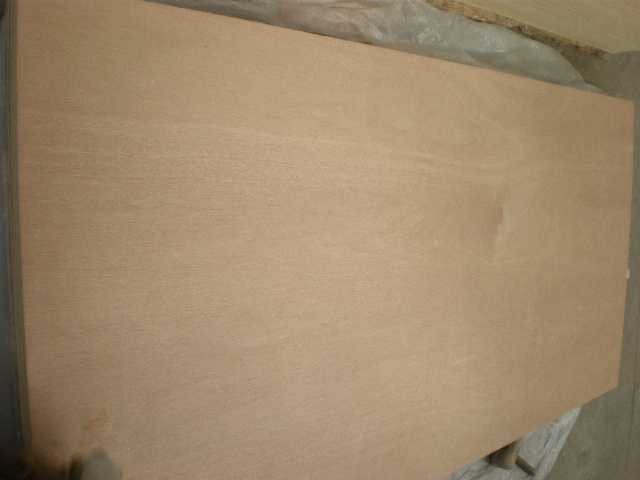
A plywood cost 12mm figure reflects more than a single sheet tag. It combines veneer, glue, labor, and freight, then divides the total across a thin panel that weighs less than an 18mm sheet. Buyers who read each part price the panel with confidence instead of guessing.
Thin panels demand careful handling, so mills and shippers add a small premium for damage risk. This guide shows where that premium hides and how to keep the true cost low.
Thin panels move through more handling steps per square meter, so labor spreads over less material. A 12mm sheet weighs about two thirds of an 18mm sheet, which cuts freight but raises the relative cost of trimming and packing. Buyers who weigh both sides see the full picture.
Order size shapes the number too. A full pallet of one 12mm grade spreads setup cost across more sheets, while a mixed load of several grades raises the per-sheet price. Buyers who group similar panels into one order earn a better rate.
A 12mm sheet uses fewer plies than a thicker panel, often three to five. Fewer plies lower the wood cost, but they also reduce stiffness. Mills that pair a dense core with thin veneer keep the price low without losing strength.
Species choice moves the number again. Poplar cores cost less than birch, and buyers who need screw holding pay for the denser option. Confirm the core species before you accept the lowest 12mm quote on the table.
Moisture content also adds cost. A mill that dries veneer to a lower target spends more energy but ships flatter panels. Flat panels cut cleaner and reject less often, so the higher drying cost often pays back on the line.
Warranty and trust also carry a price. A mill that stands behind its bond class charges a little more and saves the buyer the cost of a failed panel. That small premium protects the larger spend on the whole order.
Interior glue keeps the 12mm price low, and exterior WBP glue raises it. A 12mm panel in a bathroom or kitchen needs the higher class. Buyers who skip this step save a little now and replace swollen panels later.
Pressing time adds cost as well. Thin panels press faster, which trims energy per sheet, so 12mm often prices below a comparable 18mm panel even after a glue upgrade. That energy saving is one reason thin panels look cheaper per unit.
A 12mm panel suits jobs that need moderate stiffness and light weight. Cabinet backs, drawer bottoms, and interior partitions use the thickness every day because it carries light loads and stays flat.
Site crews like the light weight. A 12mm sheet lifts with one hand, which speeds installation on upper floors and in tight spaces. The same sheet covers formwork faces where an 18mm panel adds weight without a benefit.
Light weight also cuts the number of workers needed to install a ceiling or a high wall. Two people can lift and position a 12mm sheet where an 18mm panel needs three. That labor saving often outweighs the small price gap.
Furniture shops buy Melamine Plywood and MDF Board in 12mm for backs and shelves that stay hidden. The thinner panel saves material and keeps the finished unit light for shipping.
Retail fixtures use the same thickness for display backs and dividers. A light panel installs fast and holds its shape once the frame supports it, which keeps labor cost in line with the job budget.
For light formwork, crews use Film Faced Plywood at 12mm to shape small pours. A resin face releases cleanly and survives several uses in tight forms where thicker panels would not bend easily.
General building work uses Commercial Plywood at 12mm for partitions and underlay where a heavier panel adds no value. The lighter sheet lowers freight and speeds handling on site.
Buyers who plan a mixed project order 12mm panels for the hidden layers and heavier sheets for the load-bearing parts. Splitting the order this way keeps each panel matched to the job without overbuying.
Two 12mm sheets can differ by forty percent in price once grade and glue enter the picture. Face grade decides appearance and labor, while glue class decides where the panel survives.
Sanded A/A faces cost the most and suit visible furniture. Utility faces cost the least and suit hidden layers. Buyers who match the face to the finish avoid paying for appearance no one will see.
Exterior glue raises the base cost, and for 12mm panels edge sealing adds a small step. Thin edges absorb water faster than thick ones, so a sealed edge protects the panel and extends its service life.
Buyers often ask whether grade alone sets the price. It does not. A high grade over an interior glue line still fails in a wet area, so glue and grade work together to set both cost and performance.
Finish choice adds a final step to the price. A raw 12mm sheet costs the least, and a pre-finished or laminated face costs more but removes a shop step. Buyers who value labor savings may accept the higher sheet price to avoid finishing on site.
| Specification | Relative 12mm cost | Best use |
|---|---|---|
| Utility face, interior glue | Lowest | Hidden backing |
| Sanded face, interior glue | Medium | Cabinets, dry rooms |
| Utility face, exterior glue | Medium | Sheathing, light forms |
| Sanded face, exterior glue | Highest | Wet visible work |
Thickness sits at the center of cost because it sets both material and weight. Comparing 12mm to 15mm and 18mm shows where the extra money goes and whether the job needs it.
A 15mm sheet adds stiffness and weight with a modest price step. For shelves that carry books or tools, the stiffer panel resists sagging and pays back in fewer callbacks. For light dividers, 12mm keeps the cost down.
An 18mm sheet costs more in wood and freight and suits structural floors and heavy spans. Using 18mm where 12mm works adds cost the project never recovers. Using 12mm where the span demands 18mm invites sag and rework.
A buyer who tracks span and load picks the lightest panel that passes. That habit trims material cost without cutting safety, and it keeps freight predictable across the order.
Support spacing changes the choice as well. A 12mm shelf on close supports carries more than the same sheet on wide supports. Designers who tighten the spacing often keep the thinner, cheaper panel and still meet the load.
Freight and waste decide the real cost as much as the factory price does. A 12mm panel ships lighter than an 18mm panel, but a thin panel dents and bends more easily in transit.
Lighter loads cut ocean freight, which helps the 12mm case. However, thin panels need stronger edge protection and tighter bracing, and that packing adds a fee. Buyers who ask for both numbers compare the real shipping cost, not the headline rate.
Thin panels bend under rough handling, so waste rises when crews move full bundles without care. Training the unloading crew and using spreader bars keeps more sheets usable. Lower waste drops the cost per usable panel.
Storage on site affects waste in the same way. Panels stored flat and off the ground stay straight, while panels leaned against a wall may bow. A small storage plan protects the order and keeps the usable count high.
Buyers raise a short set of questions before a first 12mm order. Clear answers remove delays and keep the comparison fair.
What sheet size sells best in 12mm? The standard 1220x2440mm sheet covers most jobs and ships efficiently. Custom sizes cost more because the mill trims and wastes more stock.
Is 12mm strong enough for shelves? For short spans and light loads, yes. For long spans or heavy loads, step up to 15mm or 18mm and add supports.
Why does the same 12mm spec vary in price? Core species, glue class, and face grade explain most gaps. Ask each supplier for a written spec line and the differences become visible.
Does a cheaper 12mm sheet save money? Only if it meets the spec. A panel that swells or sags forces a replacement, and that cost erases the saving.
How do I cut freight on a light order? Load full containers, accept standard sheet sizes, and combine the 12mm order with denser panels so the container fills by weight and volume.
Suppliers such as HYY quote a full spec sheet so buyers compare equal 12mm panels. A clear spec turns thin-panel buying into a technical decision.