Our Location
5th Floor, Huake Center, Lanshan District, Linyi City, Shandong Province, China

5th Floor, Huake Center, Lanshan District, Linyi City, Shandong Province, China
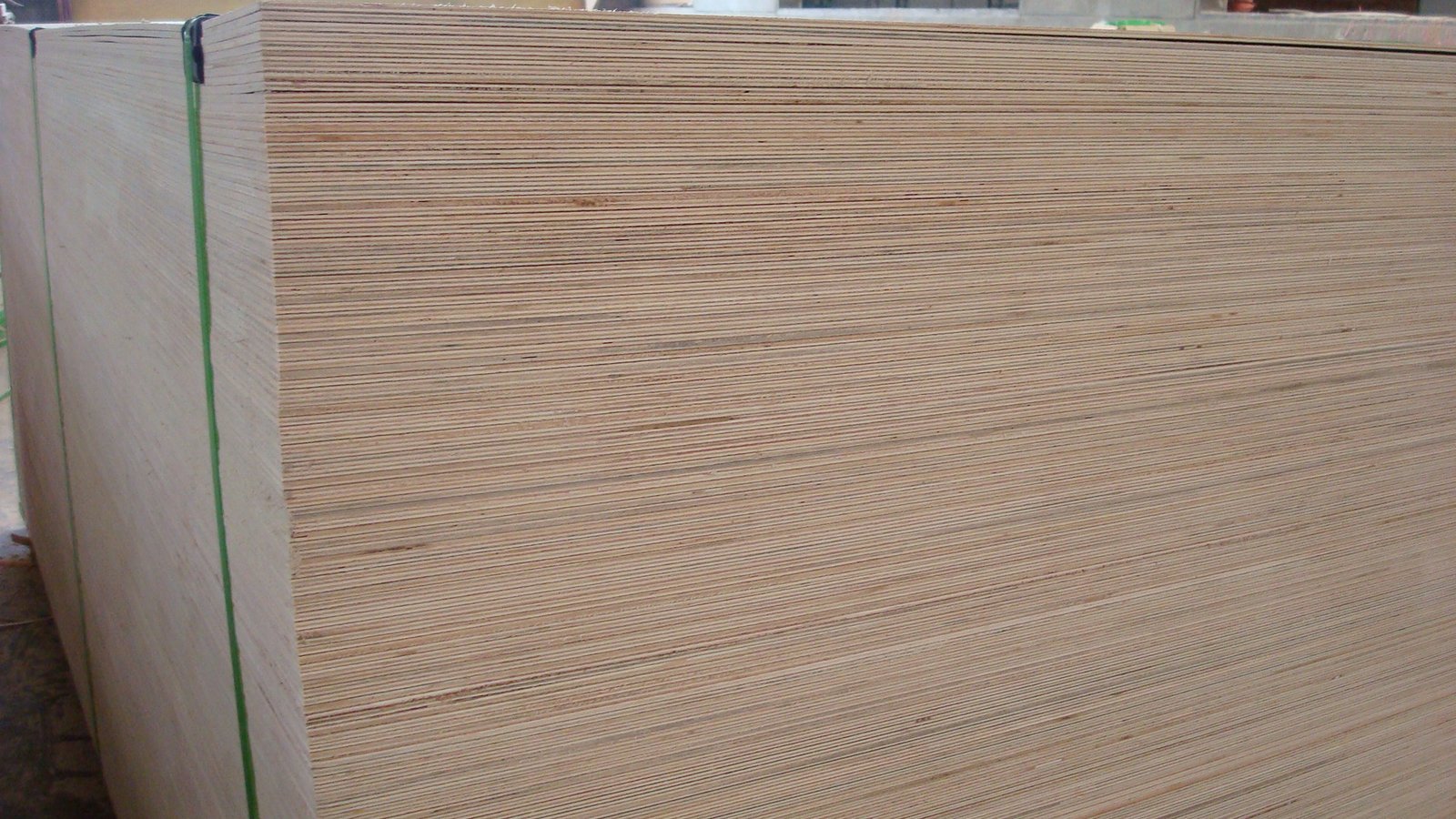
A buyer who meets u star plywood on a label usually wants to know what the star mark proves and how to compare it against another supplier. A star mark names a supplier or a mill program rather than a published standard, so the buyer reads it beside the specification rather than in place of it. This guide explains what a star label covers, how to verify the panel behind it, and how to weigh it in a comparison.
This guide explains the star label, how it relates to the standard, the checks to run, and where the label stops.
A star label points at a supplier or a mill program, so the label itself says nothing about the grade or the bond of the sheet.
A program label can name the season it ran, so a buyer reading the date knows which scope the panel carries. Read the date beside the label.
The label names a program the mill runs, which may set an internal quality line above the published standard, so the buyer should ask what the program checks. A label without a scope stays a claim rather than a proof.
The written order holds the panel the buyer priced, while the label describes the program behind it, so the two work together rather than one in place of the other. Write the order before the load ships.
The panel is judged on its species, grade, bond, and thickness, and the star label sits on top of those lines without replacing them. Fix the specification first, then read the label.
A program the mill runs can change when the mill retools, so the label on this season’s panel may not carry the same scope as last season’s. Ask for the scope with the load rather than trusting an old note.
The label ties to the mill that runs the program, so a buyer who knows the mill can trace the panel behind the star. Ask for the mill and the batch in writing.
The star label and the standard answer different questions, so the buyer should read them side by side.
| Line | What it names | Who sets it |
|---|---|---|
| Standard | Test and threshold | A published body |
| Star label | A mill program | The supplier |
| Certificate | Tested batch | The testing body |
A panel under a star program still meets the published floor, so a buyer who reads the standard knows the base the label builds on. Read the standard before the label.
The standard sets the floor a panel must meet, so a program label should sit above that floor rather than in place of it. Read the standard before the label.
The label sets what the mill checks on top of the standard, which may add a line the standard leaves open, so the buyer should ask for the program scope. A wider program earns more weight.
A sample panel shows how the face takes a finish and how the core machines, which no label describes, so the buyer orders the sample before the full load. The sample answers what the label leaves open.
The certificate carries the tested batch, so the label and the standard both rest on the certificate rather than on the printed mark. Ask for the certificate with the load.
A handful of checks turn a label into a panel the buyer can trust.
The scope names what the mill checks, so a buyer who reads it knows whether the label covers a bond line, a face line, or both. A scope that names neither adds little.
The invoice should match the order line for line, so the buyer catches a substitution or an added fee before the books close. Hold the order, the certificate, and the invoice together.
The certificate should name the batch that was tested, so the buyer can tie the label to the delivered sheets. A certificate for another batch proves the wrong load.
The label does not name the caliper, so the buyer should fix the thickness separately and measure the bundle at the dock. A sheet at the wrong caliper carries the right label and still fails the fit.
The label does not name the grade or the species, so the buyer should confirm both against the order. Read the lines before the label.
A star label helps a comparison only when the two quotes carry the same specification.
Two quotes compare once the species, grade, bond, and thickness line up, so the buyer should match the lines before weighing the labels. A lower number often reflects a lower panel.
A program that checks more lines earns more weight, so the buyer should set the two scopes side by side. The wider scope usually carries the higher price.
A wide program often ships on a longer lead time, so the buyer weighs the wait with the price before placing the order. A lower price on a slow lane can cost more in the end.
The delivered total folds in freight, duty, and inspection, so a supplier who bundles those lines can beat a lower sheet price. Compare the delivered figures.
Every program label has a boundary, and the buyer who knows it avoids over-reading the mark.
A program label says nothing about the face veneer, so a panel can carry a strong label and a rough face at once. Read the grade separately.
A label tied to a program does not name the core species, so two panels can carry the same label on different cores. Ask for the species in writing.
A program label does not hold the price, so the buyer should agree on a validity window with the order. A written window turns a moving market into a number the buyer can plan against.
A label covers the panel as it left the mill, not the installation, so a panel that meets every program line can still fail if the fastening is wrong. The installer carries the build.
Yes. A mill can change the program when it retools, so the label on one season’s panel may carry a different scope than the next. Ask for the scope with each load.
A program label serves the buyer who reads the scope, because the panel behind it either meets the named lines or it does not, and the certificate settles the question at the dock.
Buyers ask the same questions at the dock.
No. A star label names a mill program, while a standard names a test and a threshold set by a published body. Read both.
Ask for the program scope, the mill, and the certificate, then match the certificate batch to the delivered load. A panel with no scope behind the label stays a claim.
No. The label speaks to a program while the grade describes the face. Confirm the grade and the species against the order.
The program adds checks and steps to the mill run, so the cost climbs above a panel that meets the standard alone. Weigh the scope against the price.
Yes. File it with the invoice and the packing list so a claim can be traced to the tested batch months later.
A u star label earns its weight only when the program behind it and the certificate under it both hold, so read the scope, match the batch, and confirm the grade and the species apart. For panels built to a checked program, Commercial Plywood covers the sanded families, Film Faced Plywood seals surfaces for wet service, and Chip Board serves hidden infill. Confirm the program, the batch, and the certificate with HYY before the load ships, then verify the batch at the dock.