Our Location
5th Floor, Huake Center, Lanshan District, Linyi City, Shandong Province, China

5th Floor, Huake Center, Lanshan District, Linyi City, Shandong Province, China
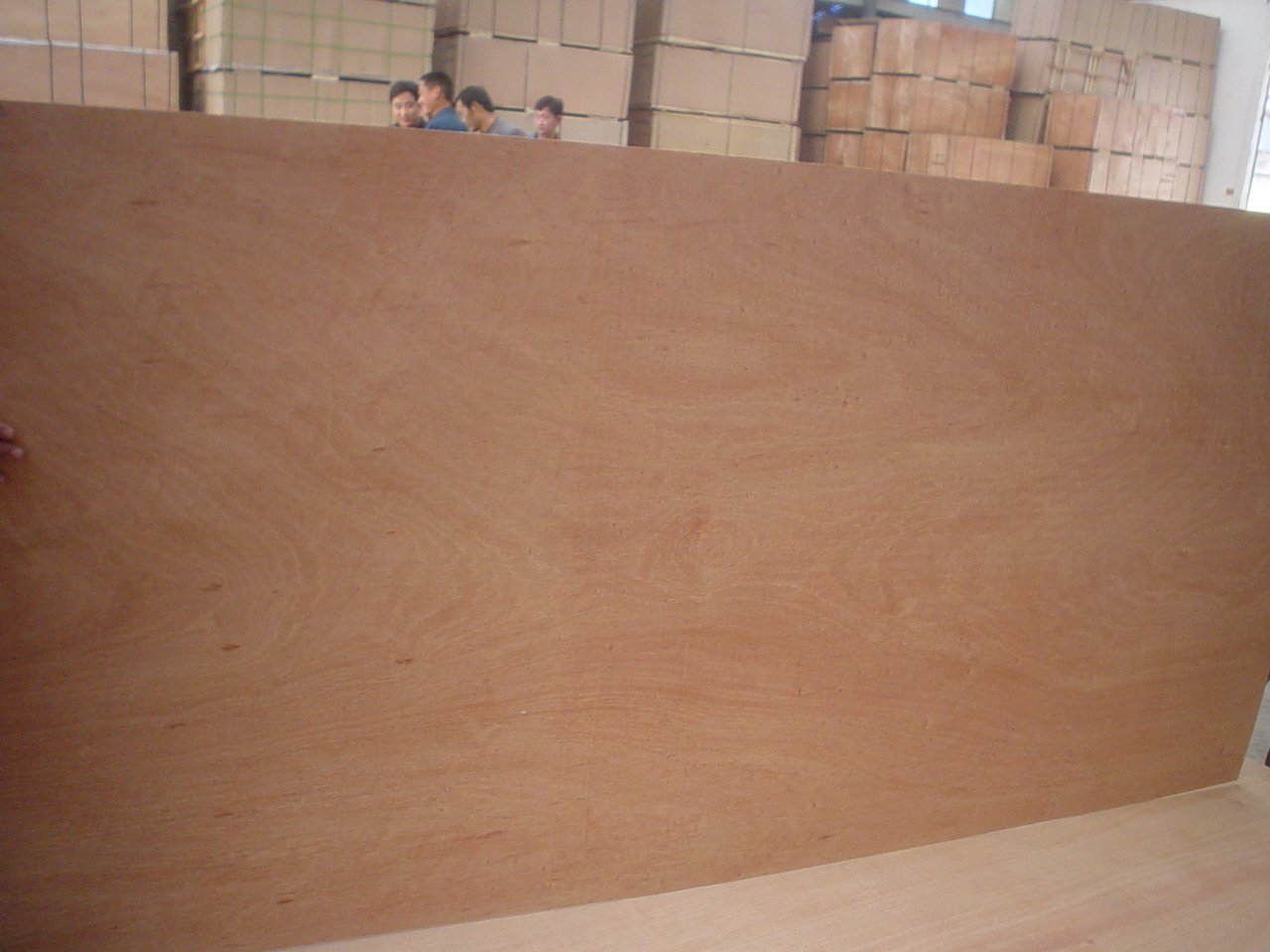
A search for plywood osb 1/2 usually comes from a builder standing at a rack with two panels that look similar from six feet away: half-inch plywood and half-inch oriented strand board, both stamped for framing duty, both priced within a few dollars of each other. The choice between them at this thickness follows the exposure, the span rating, and the finish the surface will carry.
This guide covers what separates the two panels at half-inch thickness, how their span stamps compare, how each behaves under moisture, how fastening differs, and how to pick the panel that matches the drawing rather than the habit.
Plywood glues cross-banded veneers while OSB glues oriented strands, and the construction difference shows up at the edge, under a fastener, and across a span.
A plywood edge shows distinct plies stacked in alternating grain directions, while an OSB edge shows compressed flakes layered in a fixed orientation. The visible difference matters at a cut edge that will meet moisture, because plywood plies swell evenly while OSB edges drink water faster along the strand lines. Inspect the edge at the dock, then route the parts that carry exposed edges to the panel built for the exposure.
Plywood grips a screw thread through solid veneer, while OSB holds through flakes that compress under repeated driving. Both accept the framing nails the code allows at half-inch thickness, yet a screw that gets driven and removed in OSB loses more grip than the same cycle in plywood. Panels that carry removable hardware earn plywood; panels that get nailed once and covered earn the lower-cost OSB.
Plywood ships on a letter ladder that describes the veneer face, while OSB carries exposure ratings and span classes rather than a cosmetic grade. A painted half-inch panel with a visible surface reads the plywood letters, while a sheathing panel that disappears under finish reads the span stamp on either panel. Match the marking system to the question the drawing asks.
Both panels carry stamped span ratings at half-inch thickness, and the stamps answer the joist-spacing question directly rather than by brand reputation.
| Panel | What the stamp names | What to check |
|---|---|---|
| Half-inch plywood | Span class and exposure | Joist spacing the rating assumes |
| Half-inch OSB | Span class and exposure | Same spacing, same test basis |
| Either panel | Thickness tolerance | Caliper reading at the bundle |
The stamped span rating comes from the same test basis on both panels, so the number on the sheet settles the spacing question without a brand debate. Hold the stamp against the joist spacing on the drawing, then close any gap with a thicker sheet or tighter spacing rather than a rule of thumb. The measurement costs a minute and prevents the subfloor that flexes between the joists after the finish floor goes down.
A sheet that reads a hair under nominal thickness loses span capacity the table never assumed, and the loss shows up as a soft floor rather than a failed one. Measure the delivered sheets across the bundle with a caliper, then compare the reading to the tolerance the standard allows. The check at the dock catches the batch that landed light before the parts get cut.
Exposure decides the panel more than the price does, and the two constructions part ways once water enters the edge.
OSB absorbs water along the strand lines and swells at the edge more than plywood does under the same exposure, which matters when a sheathing panel sits through a rainy week before the cladding goes on. Plywood swells more evenly across the plies and recovers flatter after drying. Specify the exposure class against the schedule the site will actually run, then seal every cut edge regardless of the panel family.
A comparison that puts plywood at one span class against OSB at a lower class compares two different panels rather than two constructions. Hold both quotes at the stamp class the drawing demands, then compare the landed totals at that class. The like-for-like number is the only one that tells the buyer which panel serves the drawing for less.
A subfloor that spends its life under finish flooring sees neither rain nor sun, and in that service the span stamp and the fastening pattern matter more than the construction. Buyers who compare on the stamp and the landed price rather than the reputation pick the panel that serves the drawing at the lower cost.
The installation details differ just enough between the panels to change the schedule at the saw and the gun.
Both panels publish edge and field spacing for framing nails, and the spacing tightens at the edges where the panel carries less support. Run the pattern the manufacturer stamps rather than a habit carried from the other panel, because a pattern copied across families leaves one panel under-fastened at the rim where squeaks start.
A face that carries a scuff or a pressed wrinkle telegraphs through a thin underlayment after the floor goes down, so the walk across the stack before fastening catches the sheet that belongs on a hidden position instead. Sort those sheets to the edges of the run where the finish never reaches.
A plywood face sands flat under a floor buffer, while an OSB face loosens flakes under the same abrasion and leaves a textured surface that telegraphs through a thin finish. A visible half-inch surface that gets sanded and coated earns plywood, while a surface that disappears under carpet or underlayment accepts either panel at the span rating the drawing names.
The final choice reduces to three questions, and each one points at a different panel.
An edge that gets clad the same week accepts either panel with sealing, while an edge that sits through a rainy season earns plywood where the swell stays even. Match the panel to the exposure the schedule shows, not the exposure the schedule hopes for.
A visible, sanded, coated half-inch surface reads the plywood face ladder, because OSB flakes will not sand flat under a finish. A hidden surface under finish flooring or underlayment answers to the span stamp and the landed price instead.
A stamp class the yard actually carries beats a catalog class that arrives on a special order with a different lead time. Confirm the stamp in the thickness on the drawing, then compare the two panels on the landed price at that stamp.
Answers framers raise at the rack.
Both carry span classes from the same test basis, so the stamp settles the capacity question rather than the construction. Read the stamp against the joist spacing on the drawing.
Plywood swells more evenly across the plies and recovers flatter, while OSB edges drink water along the strand lines. Specify the exposure class against the real schedule, then seal every cut edge.
An OSB face loosens flakes under sanding and telegraphs texture through a thin finish, so a visible coated surface earns plywood. A hidden surface under underlayment accepts either panel.
Both panels publish edge and field spacing, and copying a pattern across families leaves one panel under-fastened at the rim. Follow the pattern stamped on the sheet you are actually driving.
Measure the sheets across the bundle with a caliper, then compare the reading to the tolerance the standard allows. A sheet a hair light loses span capacity the table never assumed.
Half-inch plywood and half-inch OSB answer the same span question at different prices, and the drawing settles which one belongs: exposure at the edge, finish at the face, and the stamped spacing at the joist. Confirm the stamp, the tolerance, and the exposure class against the drawing before the order ships, then check the delivered sheets at the dock. For panels that carry the subfloor, Commercial Plywood covers the sanded range, Film Faced Plywood seals surfaces for wet service, and Chip Board serves hidden infill. Confirm the face, the bond, and the certificate with HYY before the order goes out, then check the delivered sheets at the dock.