Our Location
5th Floor, Huake Center, Lanshan District, Linyi City, Shandong Province, China

5th Floor, Huake Center, Lanshan District, Linyi City, Shandong Province, China
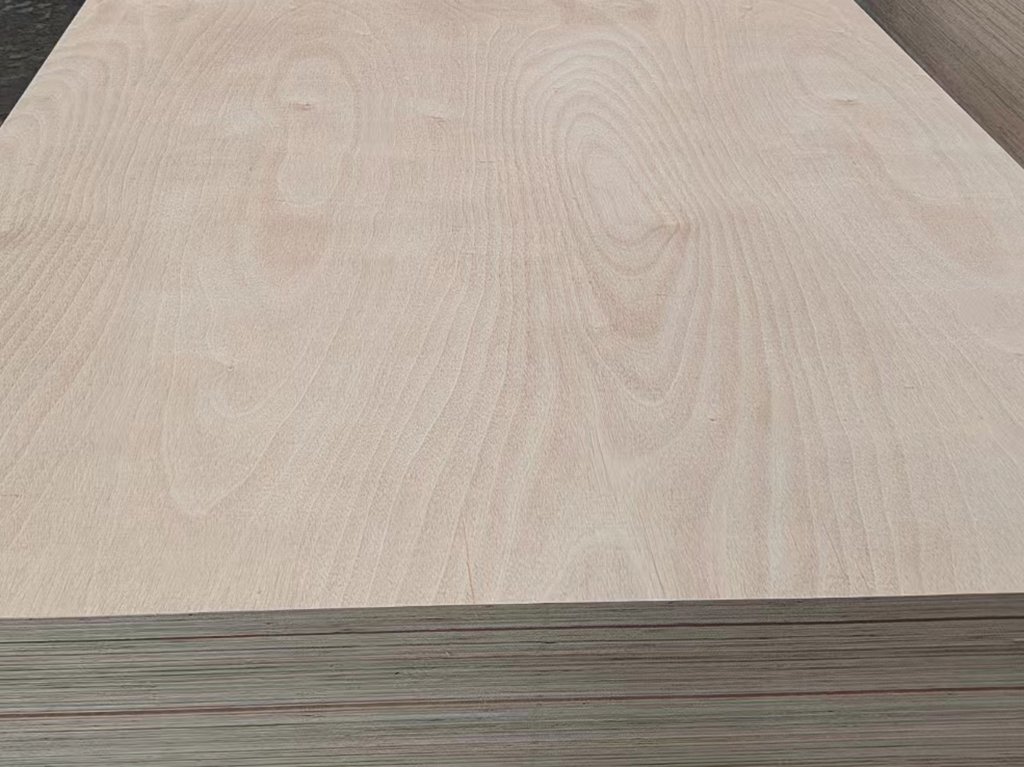
The term e modulus plywood points straight at the stiffness of a sheet, not its strength. Engineers call it the modulus of elasticity, usually written as MOE or simply E, and they use it to predict how far a loaded panel will bend. Buyers who understand this number avoid under-specifying a sheet that deflects too much under its real load.
This guide explains what the E value measures, how it differs from strength, and what to request from a supplier when the drawing depends on a clean deflection number.
Modulus of elasticity describes how a material resists elastic deformation. When you load a panel and it returns to its original shape after release, the ratio of stress to strain is the E value. Higher E means a stiffer panel that bends less under the same force.
For structural plywood, engineers factor E into span tables, joist spacing, and floor deflection checks. A sheet with a low E value may still carry its load safely, yet sag visibly over a longer span and fail the serviceability requirement even though it never breaks.
People often treat stiffness and strength as the same property. They are not. Strength tells you when failure occurs; stiffness tells you how much the panel deforms before that point. A panel can be strong enough to survive yet too flexible to sit level, which is why both values appear side by side in a full datasheet.
Construction variables move the E value more than any single fix. Face veneer species, core species, veneer count, adhesive quality, and moisture content all influence stiffness, and the effect shows up in the sheet-to-sheet consistency.
| Factor | Effect on stiffness | What buyers should check |
|---|---|---|
| Core species | Harder cores raise E | Ask the supplier for the declared core |
| Veneer count | More plies add stability | Confirm plies for the thickness |
| Moisture content | Higher moisture lowers E | Request the stated range |
| Face quality | Minor effect on bending | Grade still matters for finish |
| Adhesive bond | Tight bond holds stiffness | Confirm the bond class |
Use the table to structure your supplier questions. When the datasheet lists an E value, ask which moisture content and test method produced it, so the number matches your service conditions.
Panel thickness matters more than most buyers expect because bending stiffness scales steeply with section depth. A small thickness increase produces a large stiffness gain, which is why structural drawings specify a minimum thickness rather than just a face grade.
A datasheet normally reports MOE in megapascals, sometimes alongside a shear modulus value. The figure tells engineers how the panel behaves under bending, and it belongs in the same document as the density and moisture content.
Those four checks convert a raw number into a usable specification. Without the moisture context, the E figure can mislead a design that assumes a dry, stable panel.
Span tables that builders use for floors and roofs are calculated around assumed panel stiffness. When the actual sheet carries a lower E than the table assumes, the real deflection exceeds the assumption and the floor feels soft. Match the delivered value to the table before you trust the layout.
Engineers sometimes design the same panel for two spans by changing support spacing. A stiffer sheet allows wider spacing, which cuts framing cost, while a flexible sheet forces closer supports. The difference often justifies a better core even when the face grade stays identical.
Two sheets with the same face grade may carry different stiffness values because the cores come from different species or supplier runs. Always compare the declared E value, not just the grade label, when the design depends on deflection.
Floor decks, formwork, loft panels, and load-bearing shelving all lean on the E value to stay level under load. In each case the engineer sets the acceptable deflection, then backs out the required stiffness from the span and the load.
For formwork and repeated concrete pours, a stiff panel keeps the slab true and reduces costly rework. Specifiers should confirm the panel stiffness before committing the pour schedule, because a sagging form translates into a finished slab that fails its level tolerance.
Formwork panels face tight flatness limits because a bowed form produces a bowed slab. Contractors check the panel stiffness against the pour height before erection, then add back-to-back supports where the number falls short. Confirm the stiffness on the datasheet before scheduling the pour.
Lateral loads from fresh concrete rise quickly with depth. Stiff panels and secure bracing work together, and neither one substitutes for the other in the design check.
The most frequent error is assuming a thicker sheet of the same grade automatically upgrades stiffness enough for a longer span. Check the numbers instead of eyeballing thickness, because species and core vary between suppliers.
A supplier confident in its construction can answer stiffness questions without hesitation. Ask for the declared MOE, the test basis, and the moisture condition, then compare quotes on the same standard.
Where the application demands engineered structural panels with dependable behavior, buyers move beyond commodity quotes and procure panels with documented stiffness. A reliable option for general load-bearing panels is Commercial Plywood, where construction and bond can be confirmed on the order line.
When the surface will face repeated wet concrete and heavy vibration, Film Faced Plywood pairs a tough overlay with the panel stiffness that formwork schedules depend on.
The right panel for a stiff floor is rarely the most expensive one. Define the span, the live load, and the allowable deflection, then compare the declared E value across candidates. Stiffness per cost, not raw stiffness, drives the best value.
Engineers also check the fastener schedule when a panel must transfer load. Stiffness plus a solid fastening grid together keep a deck level, so review the screw pattern in the same pass as the E value.
If the design height is fixed and the deflection still exceeds the limit, a denser core or more plies raises stiffness without growing the footprint. That trade usually beats reworking the support layout.
Answers to the questions buyers raise most often when a stiffness figure enters the quote.
Higher stiffness means less deflection for the same load, but it usually costs more and weighs more. Match the E value to the span requirement instead of chasing the highest number.
Yes. Moisture softens the panel and lowers stiffness, which is why datasheets state a moisture condition. Keep the panel dry in service to preserve the declared value.
Manufacturers bend a test strip and record the stress-to-strain ratio under a standard test method, then report the result in megapascals. Check which method produced the figure you compare.
Only for simple non-structural work. Grade describes the face, not the bending behavior, so load-bearing specs need the stiffness value as well.
Some designs also need the shear modulus, which handles in-plane sliding rather than bending. Ask for both values when the panel carries heavy racking or point loads, so the design has the full picture.
Denser core species, higher ply count, lower moisture, and sound adhesive bonds all raise stiffness. Ask the mill which of these they control for a given order.
Start the order with the deflection requirement, convert it to the stiffness you need, then request the declared E value on the datasheet. Confirm the moisture condition and test method so the number matches your use. When the drawing demands documented engineering behavior, do not settle for an unverified grade label. Confirm construction details and stiffness figures with HYY before you finalize panel specifications, then keep the datasheet in the procurement file for the acceptance check.