Our Location
5th Floor, Huake Center, Lanshan District, Linyi City, Shandong Province, China

5th Floor, Huake Center, Lanshan District, Linyi City, Shandong Province, China
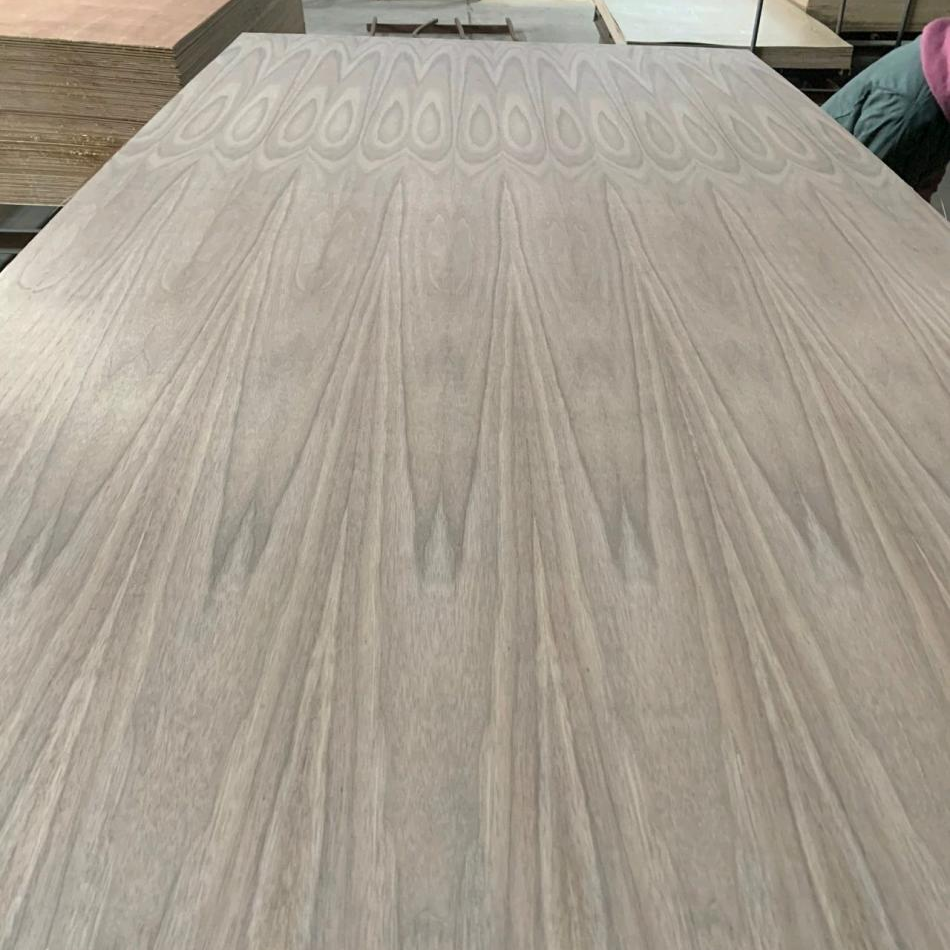
The grade in plywood tells you about the face veneers, not the strength of the sheet. Letters such as A, B, C, and D describe how clean each face is, and the pairing on the tag such as A-C tells you which side is finished and which side stays hidden. Buyers who read the letters correctly avoid overpaying for a clean face nobody sees.
Grading also shapes the buying conversation. When buyer and seller agree on a letter, they agree on the acceptable knots, patches, and color, which removes most of the arguments that otherwise follow a delivered bundle. The system turns an emotional visual judgment into a checklist both sides can read.
This guide explains what each letter means, how pairings work, and what to write on the order so the delivered panel matches the drawing.
Grading looks at the surface veneer of a panel. A tight, clear face rates high, while knots, patches, and splits rate low. The rating describes appearance and repair level, not load capacity or glue quality.
Manufacturers stamp the grade on the sheet edge or face, and the tag travels with the bundle. A buyer checking the tag before acceptance sees exactly what the mill declared.
Two panels with identical thickness can carry very different faces. One delivers a smooth paint-ready surface, the other shows patches and open knots. Both pass the same structural tests, so the grade decides what the visible side looks like.
Four core letters cover most building plywood, and each one sets a clear bar for the visible face. Higher letters allow fewer defects; lower letters accept more character.
| Letter | Face quality | Allowed defects |
|---|---|---|
| A | Clean, smooth | Very few, small |
| B | Good, paintable | Minor repairs, small knots |
| C | Utility | Tight knots, patches |
| D | Lowest | Open defects, many repairs |
Grades also help write a consistent acceptance test. When the drawing names a face, the delivery can be checked against that face without debate. Buyers who skip the grade leave the door open for the mill to ship whatever stock sits on the floor.
Suppliers apply the same logic on their side: a quoted grade gives them a fixed target for production planning and inventory management. The grading system therefore serves both sides of the transaction equally.
Use the table to set expectations before you see the sheet. An A face suits a visible cabinet, while a D face serves hidden framing or a surface that gets covered.
The letters say nothing about the core species, the adhesive bond, or the moisture class. A panel can carry an A face and an interior bond, so match the grade to the look and confirm the bond separately for wet service.
Most structural plywood ships as a pairing, one letter for each face. The first letter is the finished side and the second is the back. Common pairings cover the jobs buyers build most.
Read the pairing in order: the first face points outward in the finished assembly. Confusing the order puts a rough face where the drawing needs paint.
A clean A face costs more to produce than a rough D face. Pairing a high face with a low back keeps the price down while preserving the visible side, which is why A-C panels dominate interior construction.
Sanding changes the face after pressing. A sanded panel carries a smooth surface for paint, while an unsanded sheet keeps a rougher texture that suits glue or hidden use. Confirm the sanding type on the order because it affects both price and finish prep.
Some panels also carry a touch-sand that only levels the surface, falling between full sand and raw. Ask which pass the mill applies to the grade you buy.
The core species and the ply count influence weight, stiffness, and screw-holding. A denser core raises the panel weight and its edge strength, which matters where fasteners and brackets grip the sheet. Match the core to the detail of the build, not just the face letter.
Ply count also changes how the panel behaves around fasteners. More layers spread the load through more glue lines, which is why higher-ply sheets often edge better under hardware loads.
Brands and regional systems extend the letters with extra ratings. Exposure ratings, formaldehyde classes, and specialty overlays give buyers more precision than a single letter.
Exposure or bond ratings describe how the panel handles moisture. A panel marked for exterior service carries waterproof adhesive, and a sheet marked interior suits dry rooms. Read both the face grade and the exposure together.
Some panels top the core with a factory overlay. A resin-impregnated face resists wear and weather far beyond raw veneer, while a decorative laminate supplies a finished color without painting. Each overlay changes the surface behavior completely.
Write the grade, the exposure, and the thickness on the same line, then ask the supplier to confirm the stamp. A vague request for plywood invites a vague panel.
These four items turn a loose inquiry into a firm specification. Suppliers quote faster and accurately when the grade is unambiguous.
Set a clear accept-versus-reject rule at the shipping gate. A sample panel and a short checklist let the receiving team compare the delivered sheet against the promised grade in minutes. Catching a mismatch on the dock costs a phone call; catching it on the site costs a rework.
Write the width, length, and face direction into the spec as well. Panels behave differently across their dimensions, so the drawing should state the orientation that carries the load. A small note now prevents a structural surprise later.
Finally, compare quotes on the same grade letters and the same construction. Two suppliers quoting different cores under the same face pairing will deliver panels that perform differently, so the written spec must cover both surface and construction.
For visible interior joinery where a smooth face saves finishing steps, Melamine Plywood carries a factory surface that skips painting. For general structural work where the grade and bond sit on the order line, Commercial Plywood gives buyers a dependable value panel. Where flat machined interior parts take paint, MDF Board covers the clean-lined segment of the range.
Answers to the buying questions that come up when letters enter the specification.
Only when the visible side matters. A clean face costs more, so hidden surfaces work fine with lower grades that save money without changing strength.
No. The face letters describe appearance, not load capacity. Thickness and construction set the structural behavior, so check both grade and thickness for load-bearing panels.
An A face on one side and a C face on the other. The A side faces visible work while the C side stays against framing or another surface.
You can, but the patches and knots show through most finishes. Sanding and filling help, yet an A or B face still paints smoother for visible work.
Species names the tree, while grade names the appearance of the face it produces. Two species can carry the same grade letter and still differ in color and density, so both facts belong on the order line.
Patching replaces knots with clean veneer, and the labor shows up in the price. Buyers who want a smooth face pay for the patch work; buyers who cover the panel skip it.
Yes, when the face stays hidden. A utility face saves money without changing structural performance, so buyers in framing and covered spaces often choose lower grades deliberately.
Read the stamp on the sheet and compare it to the order line. A mismatched stamp is a reason to stop the load before panels spread across the site.
Define the visible side first, then set the face pairing and bond class on the order line. Compare quotes on identical grades and thicknesses, and keep a photo of the stamped sheet with the purchase file. For visible interior work, choose a clean pre-finished face when the budget allows; for hidden service, let a lower grade carry the saving. Confirm the grade pair, bond class, and finishing with HYY before you lock the specification, then inspect the stamps at delivery.