Our Location
5th Floor, Huake Center, Lanshan District, Linyi City, Shandong Province, China

5th Floor, Huake Center, Lanshan District, Linyi City, Shandong Province, China
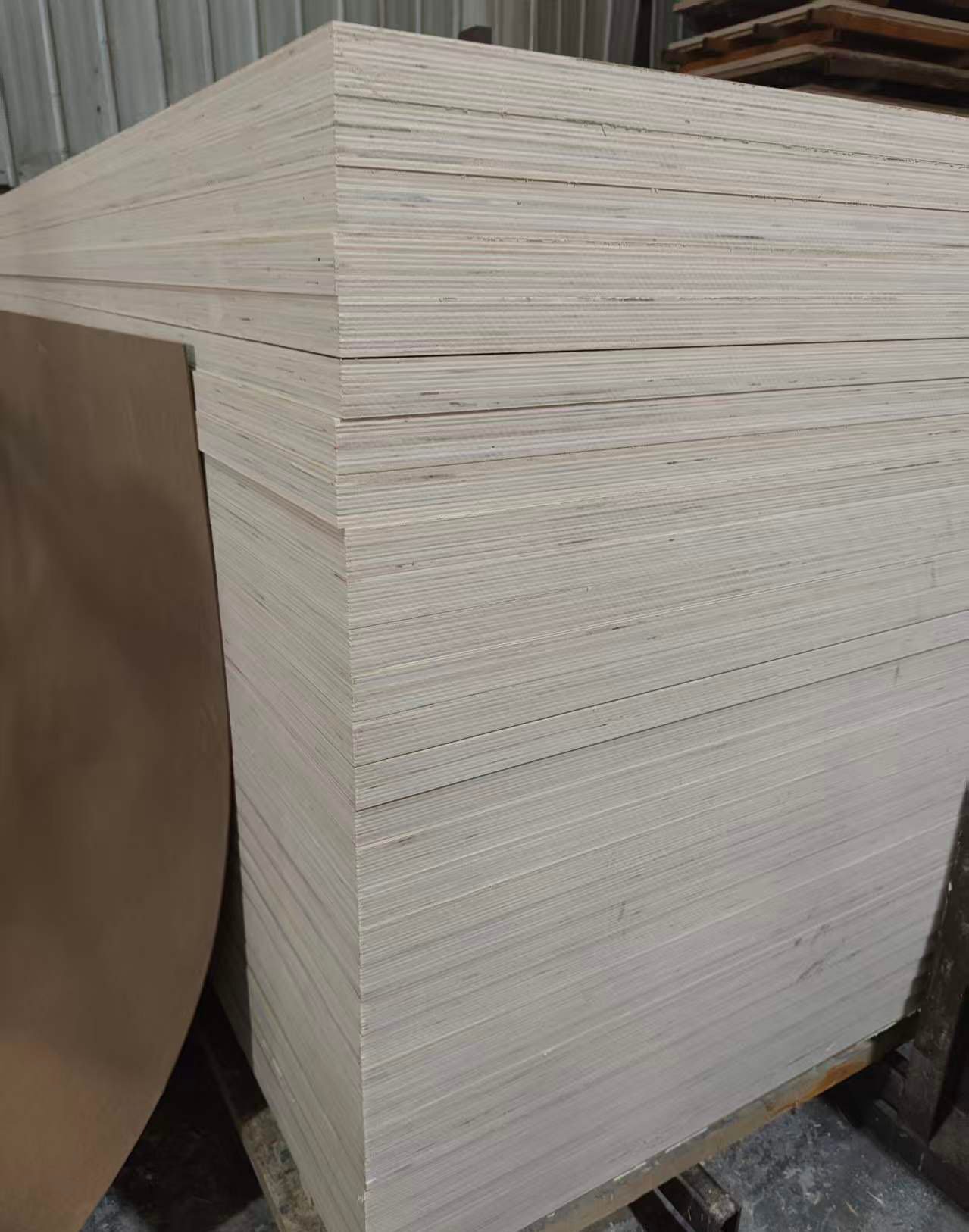
A green guide plywood buying decision starts with two questions: where the timber came from and what holds the panel together. Sustainable sourcing means verified forests on one side and adhesive chemistry that stays out of the air on the other, and both claims need paperwork before they deserve your trust.
A green label only helps when it survives contact with the shipping dock. Buyers who build the checks into the receiving routine keep the sourcing promise alive through delivery, while those who stop at the brochure watch certified claims fade into ordinary inventory.
This guide explains what makes a panel genuinely green, which certifications carry weight, and what to request from a supplier before a container ships.
Sustainability in plywood rests on the timber source and the production process. Timber from a certified, replanted forest keeps the resource renewable, while careful adhesive use and lower emissions keep the factory footprint reasonable.
No single stamp proves every claim. Look at the forest certificate, the resin chemistry, and the emission class together before calling a panel green.
Fast-growing species such as poplar and eucalyptus replenish quickly, but renewal alone does not guarantee responsible forestry. Certification adds a verification layer that documents where the logs came from.
Recognized forest schemes verify the supply chain from the forest to the panel. Buyers shortlist certificates by how strictly they audit the source and how widely they are accepted.
| Certification | Focus | What it verifies |
|---|---|---|
| Forest stewardship schemes | Responsible harvest | Legal and replanted source |
| Emission certificates | Low formaldehyde | Indoor air safety |
| Chain of custody | Tracked supply | Timber flows to the panel |
Certifications also carry limits. A forest scheme covers the source but not the glue line, while an emission report covers the adhesive but not the timber. Green buyers collect both documents so the panel earns trust on every front.
Ask whether the mill holds the certificate itself or only buys from a certified supplier. A mill with its own coverage can answer traceability questions faster than one that relies on a distant broker.
Use the table to separate marketing from verification. A credible supplier names the scheme and shows the certificate number rather than printing a leaf on the bundle.
Forest certification loses value without a chain of custody that follows the material through the mill. Ask for the certificate that ties the delivered batch to the certified source.
Adhesive chemistry decides much of the environmental profile. Low-formaldehyde systems reduce indoor emissions, and alternative binders cut volatile content while keeping the panel strong.
Manufacturers document the emission class on a report that names the test method and the value. Treat the report as the evidence for any low-emission claim.
Some producers bind panels with alternative resins that reduce dependency on conventional systems. The trade-off often appears in cost or cure time, so confirm the emission report covers the alternative system before ordering.
Ask how the mill handles waste water and offcuts from resin application. A closed-loop process leaves a smaller environmental footprint than open discharge, and the policy usually shows in the mill documentation.
The resin question also links to the scale of the order. Very large projects justify a dedicated emissions test on the delivered batch, while small orders rely on the mill report. Match the verification effort to the commercial weight of the purchase.
Ask the supplier which resin system the panel uses and whether the emission report covers the delivered production batch. A mill that switches resins should be able to explain the change.
Put every green claim on paper. Ask for the certificates, the emission report, and the packaging details in the quote, then verify the batch on arrival.
These checks give the sourcing decision a paper trail. A supplier that answers with documents earns trust, while vague promises invite a second look.
Ask how a panel should be disposed of or reused when the project ends. Panels with clean, unmixed materials recycle more easily than those with heavy coatings.
Match the green criteria to the application. Visible interior work needs a low-emission, clean face; structural jobs need certified timber and confirmed bond; painted flatwork values machinability.
For interior furniture and cabinetry where emissions and a finished face both matter, a low-emission Melamine Plywood covers the visible surfaces with a factory-sealed overlay. For structural panels where certified sourcing and a confirmed bond sit on the order line, Commercial Plywood balances cost and dependable behavior.
Build a simple scorecard that weighs the certificate, the emission report, the packaging, and the waste handling. Scoring each quote side by side exposes the gaps between suppliers that a single price comparison hides.
Weight the criteria to your market. A client-led green policy leans on forest certification, while an indoor air project leans on the emission class, so the scorecard follows the project priorities.
Keep the certificates with the project file, and hand the client a summary that names the source, the emission class, and the disposal route. A documented green choice holds up to review better than an unverified label.
Turn the paperwork into a habit at the receiving gate. Check the certificate number against the issuing body, confirm the emission report names the batch on the packing list, and photograph the labels before the stack disappears into storage.
The five-minute audit protects the sourcing investment. A certified order that arrives with mismatched paperwork costs time, trust, and possibly the client relationship, while a fast check keeps the promise intact from order to installation.
Answers to the questions buyers ask when sustainability enters the procurement decision.
Green sourcing also benefits from order stability. Mills plan certified supply against confirmed demand, so a steady order history keeps the certificate and the batch constant across deliveries rather than rotating between certified and non-certified stock.
Bamboo grows fast and renews quickly, but the full picture includes where it grew, how it was harvested, and the adhesive used. Ask for the same certificates you would request for any panel.
It means the panel releases less formaldehyde indoors, which matters in sealed rooms. The certificate names the method and value, so compare reports rather than labels.
Volume and species keep certified panels competitive. A large order from a mill with certified supply often prices close to uncertified stock.
Match the certificate number to the issuing body’s database and confirm the batch on the packing list. A stamped certificate means little without a matching supply trail.
Ask how the mill reuses its own offcuts and sawdust after trimming. A mill that feeds offcuts back into the core or energy stream wastes less than one that sends the material to landfill, and the difference shows up in the mill documentation.
Some panels include recycled fibers or recovered wood in the core. Confirm the actual percentage and the certification basis, because the term recycled covers very different shares of content depending on the producer.
Yes, and it is the easiest check. Reusable or recyclable wrapping shrinks the footprint after the panel arrives, so the packing clause belongs in the same document as the timber certificate.
Not always. Volume buying, stable species supply, and efficient mills keep certified panels competitive with conventional stock. The premium, where one exists, pays for the verification system behind the claim.
Certified stock can add lead time when demand is high. Place the order early and confirm the certificate availability with the quote so the schedule stays intact.
Start with the timber source and the adhesive chemistry, then collect the certificates that prove both. Confirm the emission report and the chain of custody before committing, and keep the documents with the order file. A genuinely green panel shows its evidence on paper, not just in a marketing phrase. Compare certified sourcing options and confirm packaging and waste handling with HYY before you reserve the order, then verify the batch documents at arrival.