Our Location
5th Floor, Huake Center, Lanshan District, Linyi City, Shandong Province, China

5th Floor, Huake Center, Lanshan District, Linyi City, Shandong Province, China
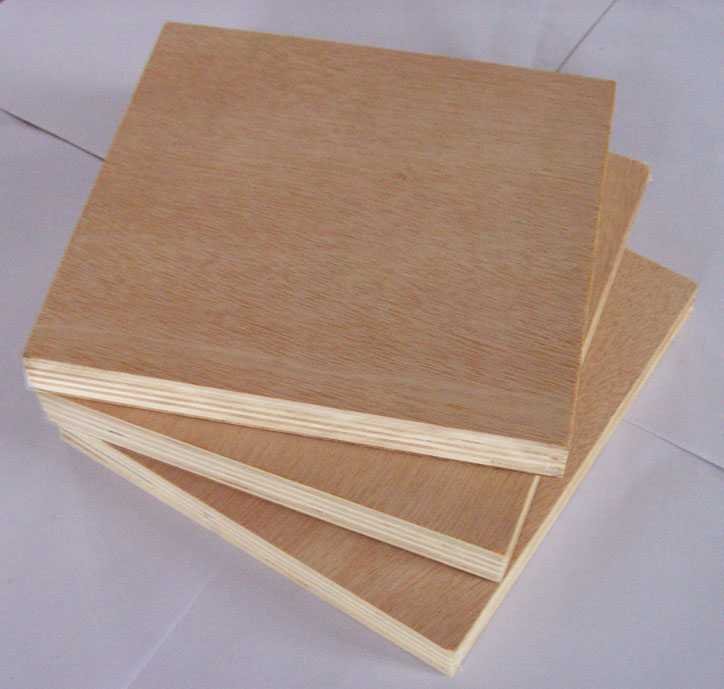
A plywood cost 18mm price tracks wood, glue, and weight more than any other single factor. The thicker the panel, the more veneer it holds and the more it costs to move. Buyers who understand these three inputs can forecast a quote before it arrives.
An 18mm sheet sits at the center of structural and furniture work, and the price reflects the extra material and strength it brings to the job.
An 18mm sheet carries more wood than a thin panel, so material sets the floor of the price. Labor and energy add the next layer, and freight adds the last. Each part grows with thickness, which is why the size sits at the top of most residential and commercial orders.
Order size also moves the rate. A full container of one 18mm grade spreads setup and pressing cost across more sheets, while a small mixed order raises the per-sheet price. Buyers who group similar sheets earn a better rate without changing quality.
An 18mm sheet uses more veneer layers, often five to seven. More layers raise wood cost and labor, but they also add stiffness and screw holding. Buyers who need structure accept the higher price because the panel does more work on the job.
Core species still matters. Poplar costs less than birch, and denser cores add strength and weight. A dense 18mm sheet costs more to ship, so species choice affects both material and freight at the same time.
Moisture control adds a final element. A mill that dries thick veneer evenly avoids internal stress and ships flat panels. Flat 18mm sheets machine cleanly and hold their shape, which saves labor on the line.
Exterior glue in an 18mm sheet adds cost, and the thicker core needs a longer press cycle. Both steps raise the price, and both protect the panel in wet or load-bearing use. Interior panels cost less and suit dry, light-duty work.
Energy use rises with thickness, so a mill spends more per sheet on 18mm than on 12mm. That energy cost sits in the tag and shows up when buyers compare the two sizes side by side on a quote sheet.
An 18mm panel costs more than a 12mm panel for a simple reason: it holds more raw material. The extra wood lifts both the base price and the freight, and it also raises performance on the job.
Buyers who pay for thickness get stiffness, screw holding, and durability. On a floor, a shelf, or a workbench, those traits justify the cost. On a thin back panel, they add money with no benefit at all.
Wood content scales with thickness, so an 18mm sheet carries roughly half again the material of a 12mm sheet. Weight rises with material, which raises ocean and inland freight. Factor both into the landed cost, not the factory tag.
Thicker panels resist bending and edge damage, so they survive more handling and more reuse. Formwork crews choose 18mm faces for repeated pours because the panel lasts and the concrete stays flat across many cycles.
The reuse calculation often favors 18mm even at a higher unit price. A panel that serves many cycles costs less per use than a cheap sheet replaced every job. Buyers who count cycles instead of sheet price usually choose the thicker panel.
Warranty periods follow the bond class, so a thicker exterior panel often carries longer cover. That cover has value when a floor or a formwork face must perform for years without replacement.
Buyers also save on framing. A stiff 18mm sheet spans farther on the same supports, so the structure needs less lumber and less labor. That hidden saving often closes the price gap with a thinner panel.
Grade and glue change the 18mm price as much as thickness does. Two sheets of the same size can differ by half once face grade and bond class change on the order.
Sanded faces cost more and suit visible furniture and cabinetry. Utility faces cost less and suit structural layers. Buyers who match the face to the finish avoid paying for surface no one will ever see.
Birch and eucalyptus cores cost more than poplar, and they hold screws better. A buyer who needs strength picks the denser core and accepts the higher price. A buyer who only needs mass can save with a lighter core and a thicker sheet.
Interior glue keeps the price low, exterior WBP raises it, and marine grade raises it more. Each step adds resin cost and press time. Match the class to the moisture the panel will face, and avoid paying for a class the job never needs.
Edge treatment adds one more line to the cost. Sealing the edges of an 18mm panel takes minutes and protects the core from water creep. Buyers who add this step extend service life for a small cost.
| Specification | Relative 18mm cost | Best use |
|---|---|---|
| Utility face, interior glue | Lowest | Hidden structural layers |
| Sanded face, interior glue | Medium | Dry cabinetry |
| Utility face, exterior glue | Medium | Sheathing, floors |
| Sanded face, exterior glue | Highest | Wet visible work |
An 18mm panel earns its price on jobs that demand strength, flatness, and long service. Floors, shelving, work surfaces, and heavy formwork all rely on the thickness.
Floors and mezzanines use 18mm because it spreads load and resists deflection on wide spans. A thinner panel would need closer supports, and the extra framing costs more than the thicker sheet over the life of the build.
Cabinet makers use Commercial Plywood and Melamine Plywood at 18mm for carcasses and shelves that carry weight. The panel holds screws and stays flat, which keeps doors and drawers aligned.
Work benches and shop tables use the same thickness for a hard, stable surface. The heavy panel absorbs impact and resists movement, so tools stay accurate and the bench stays true.
Concrete crews choose Film Faced Plywood at 18mm for faces that repeat. The resin face releases cleanly, and the thick core resists pressure without bulging. Budget millwork uses Chip Board where a lower cost core fits the job.
Matching thickness to load keeps the spend honest. A buyer who tracks span and load rarely overpays for material, and rarely underbuys enough to cause rework.
Weight drives the landed cost of an 18mm order. A container fills by weight sooner with 18mm sheets than with 12mm sheets, so the freight per sheet climbs with thickness.
A heavy 18mm load reaches the weight limit before the container is full, which leaves volume unused. Buyers who mix lighter panels into the same container fill the space and spread freight across more units.
Thick panels resist handling damage, so waste stays low. However, the heavy bundles need equipment to move, and that handling adds a cost. Plan unloading equipment before the container arrives to avoid damage and delay.
A landed cost model that includes weight gives the fairest comparison. Two suppliers can quote the same factory price and deliver very different landed costs once freight and handling enter the picture.
Currency and lead time affect the landed number as well. A quote in the supplier currency shifts with the exchange rate between order and shipment. Lock the rate or set an adjustment clause so neither side absorbs a sudden swing.
Buyers raise a short set of questions before a first 18mm order. Clear answers remove delays and keep the comparison fair between suppliers.
Is 18mm always better than 12mm? No. It is stronger and heavier, and it costs more. Use it where the job needs structural strength, and use a thinner panel where it does not.
What thickness do shelves need in 18mm? For books and tools, 18mm on supports spaced under two feet holds well. For longer spans, add a support or step up in thickness.
Why does the same 18mm spec vary in price? Core species, glue class, and face grade explain most gaps. Ask each supplier for a written specification line and the differences become visible.
How do I control freight on a heavy order? Fill containers by weight and volume, book full loads, and plan inland haulage with the right equipment. Freight control often saves more than a discount on the sheet.
Does a low 18mm quote signal a problem? It can. A very low price on exterior panels may mean a weaker bond, thinner core, or undersize thickness. Buyers should verify the spec before they commit to the order.
Suppliers such as HYY quote a full spec sheet so buyers compare equal 18mm panels. A clear spec turns thick-panel buying into a technical decision.