Our Location
5th Floor, Huake Center, Lanshan District, Linyi City, Shandong Province, China

5th Floor, Huake Center, Lanshan District, Linyi City, Shandong Province, China
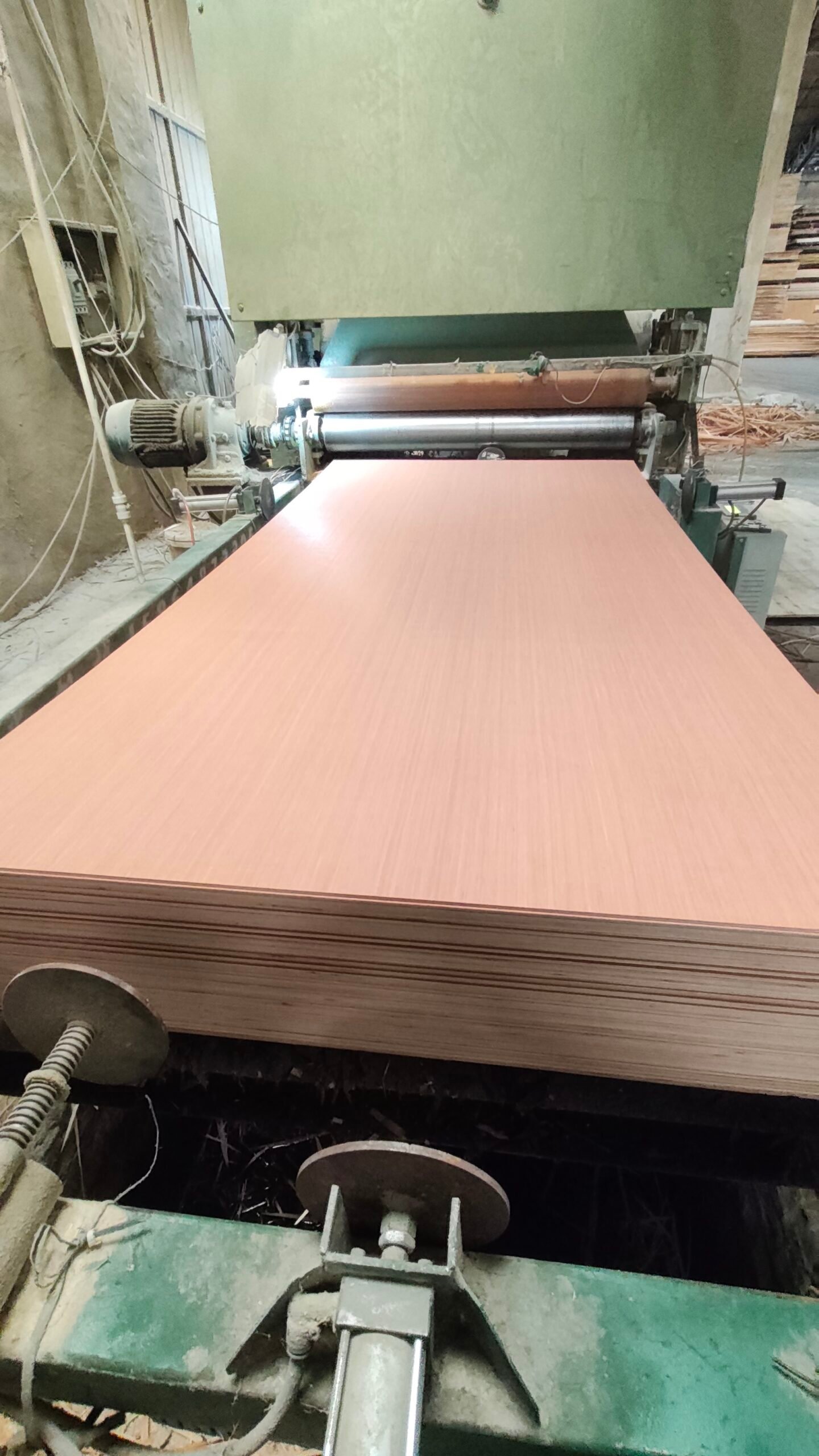
The question how much plywood cost deserves a straight answer, because most buyer searches mean real dollars per sheet, not a vague range from a forum thread. A 15mm commercial-grade sheet lands somewhere between $15 and $30 at wholesale depending on face, core, and order size. This guide shows exactly what moves that number before you place the order.
You will find the main price drivers, a grade-by-grade comparison, a per-square-foot formula, and the levers buyers actually pull when they negotiate.
Every sheet starts with a base cost set by material, labor, and energy, and then the market conditions layer on top. Buyers who can name each driver on the quote negotiate from a stronger position than those who simply ask for a discount.
The face determines how much usable surface you get. A clean A-class face avoids patching and carries a premium, while a utility face accepts knots and moves the price down. The core species weights the sheet: a hardwood core rides heavier and costs more, and a poplar or softwood core keeps weight and price in check.
High-volume buyers can fix part of the price for a quarter or a half-year. A fixed window protects the project budget, while a floating balance keeps the door open when log prices drop, and the mix depends on how stable your demand looks.
Local mills shorten the lead time and absorb currency risk, while foreign mills often win on unit price at volume. Run both quotes on the landed basis, then weigh the shorter cycle against the unit saving for your schedule.
Bundles with protective ends, sealed overwraps, and edge guards cost more to pack but arrive flatter and cleaner. The extra cents per sheet often beat the damaged goods they prevent, so compare the packaging clause alongside the material price.
Thickness changes the veneer count, and the veneer count multiplies the cost of drying and pressing each layer. The glue system shifts the number too, because low-formaldehyde adhesives and exterior bond grades cost more to produce than basic interior resins.
Build a small grid before the calls: grade, thickness, landed price, validity, and test report. Six columns keep every supplier on the same reference sheet, so a lower number from one mill shows the trade-offs behind it instead of hiding them.
Before comparing quotes, put the grades side by side. Wholesale ranges move with freight and exchange rates, so treat these figures as planning numbers rather than fixed price lists.
| Panel type | Typical use | Price indicator |
|---|---|---|
| Utility sheathing | Concealed framing | Lowest per sheet |
| Commercial plywood | General construction | Mid range |
| Melamine-faced | Interior furniture | Mid to high |
| Hardwood face | Visible cabinetry | Highest range |
Use the table as the first screen. Once the grade fits the application, the real comparison starts between suppliers that quote the same face, core, and bond.
Freight spikes, port fees, and currency swings move every range in one direction at once. Consequently, lock the price and the validity period inside the written quote instead of relying on memory from last season.
Two sheets of identical dimensions can differ by 30 percent or more, and the gap rarely comes from the saw. The difference hides in the sourcing, the certifications, and the batch consistency the mill commits to publish.
Imported stock typically carries lower mill cost and higher freight overhead, while domestic supply flips the two. First, compare the landed price, which includes freight, insurance, and duty, rather than the price at the mill gate.
A verified emission class and a documented forest source add a layer of testing and paperwork. Green buyers accept the premium because it pays for the verification system that supports the claim.
Prices get honest when you divide the sheet price by the covered area. Start with the standard sheet area, subtract the trim waste your cuts produce, and divide the landed price by that usable area.
Independent inspection and batch testing add a fixed fee, but they protect a large order better than a price cut does. Budget the check alongside the material so a non-conforming batch never reaches the workshop.
Estimate trim waste on the whole project, not just one sheet. Consistent cutting patterns and reusable offcuts lower the effective price, while a first-time project with heavy cuts pays for the experience in the same number.
Collect the mill price, the freight quote, the duty estimate, the insurance, and the inspection fee in one line each. Summing the five rows gives the number the finance team will approve, and it prevents a late surprise that stalls the container at port.
Freight makes up a growing slice of every plywood order. Container rates, port fees, and insurance all land inside the landed cost, and a small duty change can outsize a price discount at the mill. Consequently, ask the supplier to split the quote into mill price and logistics so the numbers stay transparent.
A 1220 by 2440 sheet covers 2.98 square meters. At a landed price of $21, the raw cost sits near $7 per square meter. Add 10 percent trim waste, and the usable cost rises past $7.80, which is the number to compare across suppliers.
Furthermore, track offcuts from the whole project, not just one sheet. Consistent wastage changes the effective price dramatically across a large batch.
Negotiation works best when the buyer brings order structure instead of pressure. Suppliers discount predictable volume, not random urgency.
Ask one mill to quote the same panel at two or three quantities. The gap between the rungs reveals how sensitive your price is to order size, and the ladder helps you decide whether consolidating the next order beats chasing a small discount now.
Lock the validity period on the written quote at the same time. Timber prices move with log supply and energy, so a quote without an expiry date invites a surprise adjustment at invoicing time.
A mill quotes lower per-sheet prices on continuous runs because changeover costs shrink across volume. As a result, a single repeated spec delivers more leverage than a spreadsheet full of unique sizes.
Pay attention to timing as well. Placing orders in the quieter season or booking container space early protects both price and schedule.
Answers to the cost questions that come up in almost every negotiation.
Yes, when the face stays hidden and the bond matches the exposure. A utility face saves money without changing structural behavior in covered spaces.
Usually, but the excess depends on the veneer count and the species. Compare per-cubic-volume prices, not just sheet prices, when spans get large.
Core species, patching policy, and batch consistency differ between mills even under the same grade letter. Consequently, compare physical samples beside the quoted grade.
The total cost includes freight, insurance, and handling. Always compare landed prices, because a low mill gate price can hide a heavy logistics bill.
Large buyers enjoy predictable rates because the mill schedules stable runs around them. Medium buyers can share a container or a warehouse slot with a partner and approach the same volume threshold without holding inventory.
When the mill quotes in a foreign currency, the conversion date sits in the contract. Confirm the payment term and the reference rate on the order so the final invoice matches the agreed price.
Small lots pay for the changeover unless you time the order. Many mills attach a small-lot surcharge, so plan the schedule to ride a larger run.
Start the budget with the usable square meter price rather than the listed sheet price, and keep the face, core, and glue system fixed across every supplier you compare. Lock the landed cost, the validity period, and the product specification in writing, then confirm the batch stamps at delivery. For straightforward price checks on interiors, Commercial Plywood sits in the dependable middle of the range, while Melamine Plywood covers finished furniture surfaces in one overlay, and Chip Board handles budget flatwork where exposure stays dry. Review the current landed prices across these ranges with HYY and ask for the sheet-by-sheet breakdown before you commit the order.