Our Location
5th Floor, Huake Center, Lanshan District, Linyi City, Shandong Province, China

5th Floor, Huake Center, Lanshan District, Linyi City, Shandong Province, China
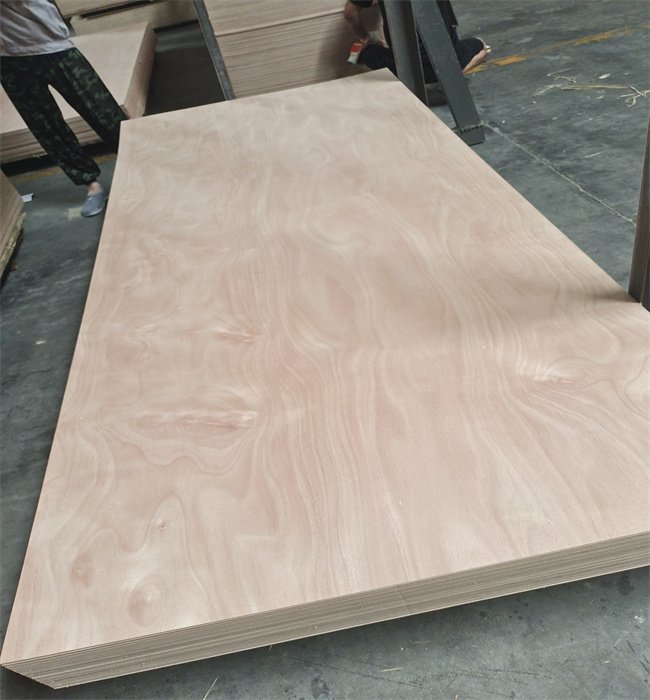
The search excel plywood usually points to exterior plywood, the weather-facing panel people also write as ext plywood or exterior sheathing. The two names sound different, but buyers want the same thing: a panel built with waterproof adhesive that survives some weather exposure.
This guide clears up the naming confusion, compares exterior panels to marine and standard grades, and shows which one fits a given job.
Typing shortcuts on phones and keyboards collapse exterior into excel or ext. Search engines then return both terms together, and what the buyer really wants is a weather-capable sheet. Understanding that intent prevents ordering a standard interior board by mistake.
Exterior plywood uses waterproof adhesive between plies and faces that tolerate damp service. See the words excel plywood in a search log, and treat the request as an exterior panel inquiry until the buyer says otherwise.
Waterproof glue, a C or D face tolerance, and adhesive rated for wet service define the category. The sheet still needs a finish or protection for prolonged outdoor use, but the bond itself resists delamination better than a general interior panel.
Buyers weigh three panel families when weather appears in the spec. Marine sits at the top for durability, exterior covers most weather-facing work, and standard suits protected indoor use.
| Panel | Adhesive | Face quality | Best use |
|---|---|---|---|
| Standard plywood | Interior bond | Varied | Dry indoor work |
| Exterior plywood | Waterproof | C/D faces | Weather exposure, sheathing |
| Marine plywood | Waterproof, tight | Higher grade | Humidity, boats, high endurance |
Paint systems, seals, and regular maintenance do more for long-term performance than an extra veneer quality class. Design the protection early and the panel keeps working through the seasons.
Read the table as a cost ladder. Step up to marine only when the exposure justifies the price, and stay with standard when the sheet stays dry in service.
Marine plywood resists humidity far better than building exterior grades, but costs more per sheet. For boats and chronic humidity the extra cost pays for an edge; for ordinary weather-facing walls exterior grades carry the job. For fencing, soffits, drainage beds, and tool bases, exterior panels carry the job at a lower price.
Weather-facing assemblies prefer the waterproof bond. Roof sheathing, subfloor in ventilated spaces, box bases, planter boxes, and temporary hoarding all gain from the exterior rating.
Keep it out of permanent water contact. A sheet lying in standing water delaminates eventually, so drainage gaps and airflow matter more than the adhesive class alone.
Exterior panels fail first at trapped moisture. Add clearance under the sheet, keep fasteners away from standing water, and leave the back face open to airflow. These details decide service life more than the adhesive stamp on its own.
Roof and wall sheathing also needs the right thickness for the span rating. Confirm the sheet size and fastener pattern against the framing, because a properly bonded sheet still sags if the thickness is undersized.
Sealed edges and a protective coating extend the service life far beyond a raw sheet. Paint or sealer keeps moisture from wicking into the exposed edges, which is where exterior panels start to fail first.
Exterior rating is a construction class, not a lifetime promise. It tells you the panel resists moisture better than a standard interior board, but the exposed surface and edges still need protection for long outdoor service.
Manufacturers reach the rating with waterproof adhesive and controlled veneers. Confirm the declared bond on the datasheet, because a label alone cannot carry the load the specification implies.
Some buyers expect swim-proof panels that never move. In reality, exterior sheets still swell and shrink with moisture, so design joints, drainage, and fasteners to absorb the movement.
A few checks keep the delivered sheet honest. Verify the adhesive class on the datasheet, confirm the face grade, and inspect both faces before accepting the batch.
Use the list as the acceptance gate, and photograph the stamp with the packing list visible; a date-stamped shot saves a wasted trip back to the supplier. A missing stamp or a mismatched grade is the first signal to stop the load and ask questions before the panels spread across the site.
Lift the bundle as a unit, keep it flat, and re-tie it between cuts. Uneven stacking bends the sheet and settles into a curve that no fastener later removes.
Stack exterior panels flat off the ground, cover the top, and keep them dry until use. A sheet that sits in a wet pile soaks edges and delaminates before it ever reaches the wall, so day-one storage protects the order you paid for.
Order a little extra from the same production lot. Matching tone and construction later becomes hard once the mill moves to a different run.
Write the exposure into the specification before inviting quotes. A vague “extreme-duty” or “weatherproof” label invites the supplier to interpret it freely, while a written exposure class, finish plan, and span rating narrow the options to the right family.
Match the panel family to the weather load and the finish budget. An exterior sheet with sealed edges handles most building exposure; a standard panel counts only where the assembly stays dry.
For concrete formwork and heavy wet schedules, Film Faced Plywood carries a tough overlay designed for repeated pours and moisture exposure, going beyond a plain exterior face.
Where the sheet must resist weather yet remain a dependable structural value, Commercial Plywood balances cost and capability when the bond class is confirmed at order time. For protected indoor flatwork, MDF Board machines clean edges where exterior exposure does not apply.
Drive fasteners to the specified depth without crushing the face, space them per the layout, and keep joints tight without forcing them. A sheet with modest over-wide gaps or over-twisted screws performs below its true potential.
Fasten into framing, not just face sheathing, and use coated fasteners where weather exposure is certain. Nail pull and rust both weaken a panel far faster than the adhesive.
Every field cut reopens the plies to moisture. Bed the cut edges with sealer before the panel takes weather, because the edges absorb water faster than the face and start delamination early.
Answers to the questions buyers ask when weather enters the panel decision.
It tolerates damp and occasional weather, but not standing water. Keep drainage gaps and seal edges for the longest service life.
Waterproof adhesive bond is one component, not a guarantee of a waterproof panel. Sealed edges and protective finishes decide the real durability.
Typically yes. Higher-grade faces and a tighter build push the price up, so choose marine only when the exposure demands the extra endurance.
An exterior-rated panel with an adequate bond class suits most sheathing. Confirm thickness and the span rating for your framing layout.
Service life depends on exposure, edge sealing, and finish maintenance. A well-sealed, painted, and drained sheet lasts years; a raw sheet in standing water fails quickly. Plan the finish from day one.
All plywood moves with moisture to some degree. Correct storage, sealed edges, and fastening into framing reduce the warping that turns a flat panel into a wavy one.
The waterproof bond resists delamination, but it is not treated timber. Wood can still decay where moisture sits, so add preservative treatment and drainage where the panel stays damp over long periods.
Yes. Priming, painting, and sealing all edges protect the sheet and slow moisture uptake, extending its building life.
Define the weather exposure first, then pick the panel family and confirm the adhesive class on paper. Seal edges, keep drainage gaps, and order a spare from the same lot. Whether the search reads excel plywood or exterior plywood, the requirement stays the same: a sheet built to face weather. Confirm the bond class and finishing scheme with HYY before you reserve the order, then inspect the batch against the datasheet at delivery.