Our Location
5th Floor, Huake Center, Lanshan District, Linyi City, Shandong Province, China

5th Floor, Huake Center, Lanshan District, Linyi City, Shandong Province, China
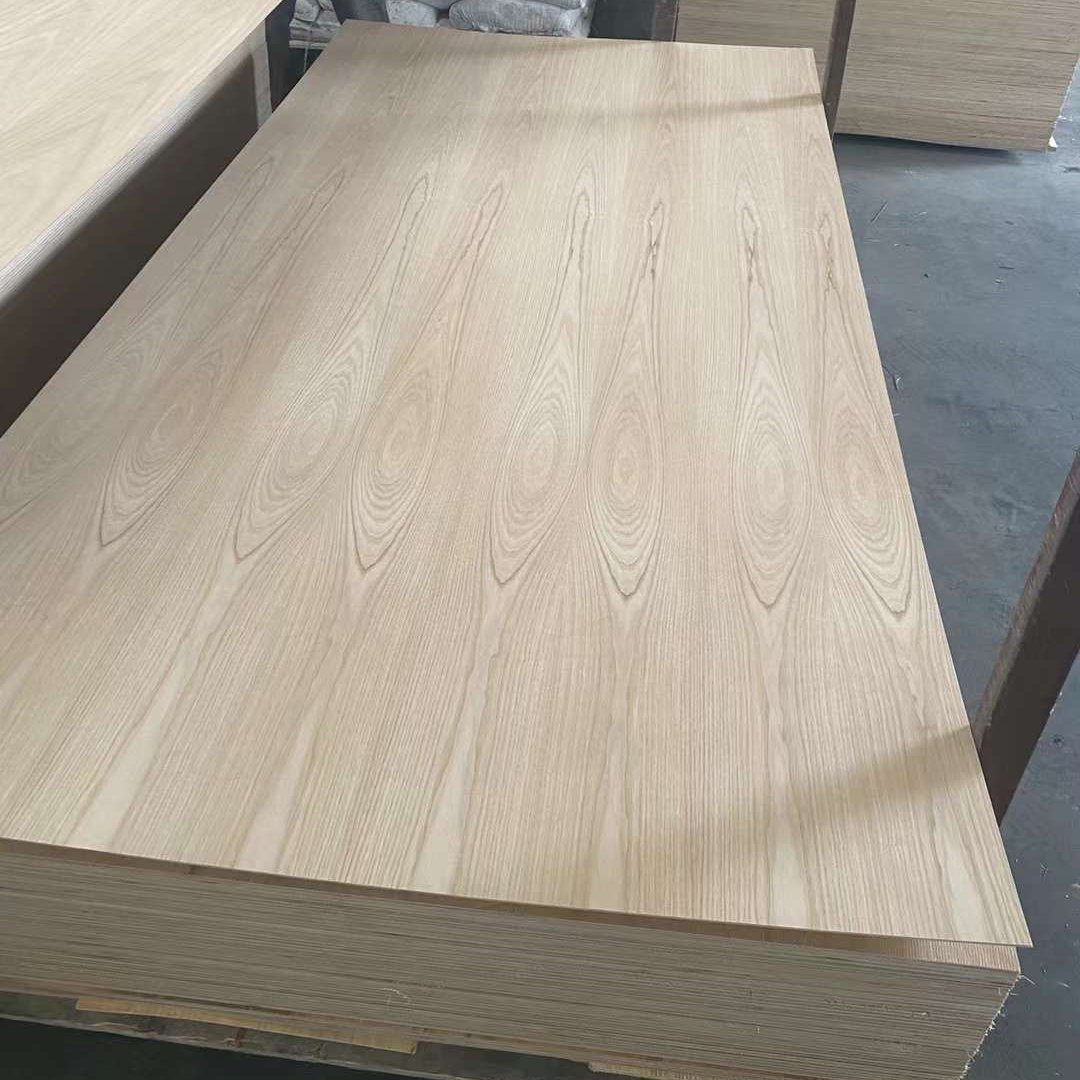
Choosing a plywood casket means balancing dignity, cost, and practical handling in a time when families face hard decisions quickly. Funeral homes, casket makers, and private workshops all build these boxes, and the panel choice decides how the casket looks, travels, and behaves under the conditions the service requires. This guide explains which plywood grades fit each build scenario.
Plywood gives a casket maker a stable, predictable panel that machines cleanly and accepts finish well. Unlike solid boards, plywood resists warping across large flat surfaces, which matters when a lid and smooth sides form the finished silhouette. The panel also keeps weight manageable for transport and lowering.
Casket builds need a box that holds its shape during transport, viewing, and any movement between facilities. Multi-ply construction spreads loads across the panel, so a casket built from quality plywood holds structure without the weight of thick solid lumber. That property simplifies handling in every phase of use.
Plywood also keeps fabrication predictable. Panels arrive in standard sizes with flat faces, so makers cut parts with less waste than working from rough lumber, and the consistent thickness simplifies dadoes, rabbets, and hardware mounting.
A smooth sanded face accepts stain, lacquer, and cloth lining without an extra substrate. The veneer grain adds natural texture, and the flat surface keeps corner miters tight. A consistent face grade also means fewer surprises when the finishing shop starts the topcoat.
Internal quality matters as much as the face. A panel with voids near the edge can absorb finish unevenly or weaken a hinge zone, so inspect the edges of the sheets before cutting the final parts.
The right plywood grade varies with the build method and the service conditions the casket must meet. A display-quality layered casket and a transit container for a private arrangement use different panels, and the specification should state the difference clearly.
For the main box, Commercial Plywood delivers consistent structural strength across large sheets, which keeps seams few and corners clean. The sanded face also takes the finish that turns a functional box into a respectful piece.
Where the interior must look finished without paint, Melamine Plywood supplies a clean, wipeable surface that dresses the inside of the lid and walls. The overlay also picks up the cloth and trim work that families expect.
MDF Board plays a supporting role in a plywood casket where carved details and routed shapes must hold crisp edges. Since MDF does not take sustained moisture, keep it to interior detailing and controlled environments.
Local sourcing shortens delivery and lets the maker verify the face in person. A short drive to a panel supplier beats waiting on a container, especially when a service date fixes the build deadline.
| Panel role | Recommended product | Typical use |
|---|---|---|
| Structural shell | Commercial Plywood | Walls, base, lid core |
| Finished interior | Melamine Plywood | Lining surfaces, trim zones |
| Machined detail | MDF Board | Routed paneling, detailing |
That table maps panel role to product and keeps the quote honest. Specify the role on each line so the mill delivers the right face and bond for the job.
Casket walls need enough stiffness to hold form without adding pointless bulk. Most builds settle on 12 to 18 mm panels for the shell, with the lid matched to the same thickness so the silhouette stays balanced. Confirming the thickness in millimeters on the order prevents mismatch at assembly.
Lay out panels so grain runs with the longest dimension of each face, which keeps the box square and reduces bowing. Cut the lid from one continuous sheet whenever possible, because seams across the top show more than anywhere else on the piece.
Hardware placement follows the same logic as the panel layout. Mark hinge and latch positions on the drawing before assembly so the screw holes land in solid material rather than near an edge that could split.
Glued dados and screws carry the joints, and edge sealing matters where the casket spends time in variable climate. A sealed edge resists moisture at the cut, keeps the finish even, and extends the life of the panel before it faces the service conditions.
Every casket must meet the rules of the facility where it will be used. Crematories publish requirements for combustible materials, and some regions restrict certain coatings or hardware. Confirm those rules before the build, because they change both panel selection and finishing choices.
For builds expected to list or move frequently, add a handling plan next to the build plan.
Working through that checklist first saves rework. A respectful casket that fails a facility rule becomes a logistical problem for the very people the build was meant to help.
The finish carries the emotional weight of the piece. Sand the shell, seal the edges, and apply a topcoat that matches the room where the casket appears. Interior lining, cushions, and trim attach to the plywood shell with adhesives suited to the fabric and the climate.
Edge sealing and cloth tension deserve the same care as the topcoat. A liner that pulls loose around a corner distracts from the presentation, so staple and trim with even pull across each face.
Transport between the workshop, funeral home, and facility adds real wear. Keep the finished casket upright on dunnage, protect corners with soft packing, and avoid long storage in humid rooms. These habits preserve the finish until the day of the service.
Climate control protects the finished box between events. A dry, cool storage area keeps veneer flat and cloth crisp, and a quick corner check before each move catches any shift before it reaches the facility.
Put the build on paper so the panel arrives as designed. State the product per panel role, the thickness in millimeters, the face grade, and the finish requirement on the same line as the dimensions.
For makers building on a schedule, sourcing a plywood casket shell from a wholesale panel supplier keeps lead times short. Start a spec conversation with HYY to match the build against the panel family, or review the complete product range on the site before you commit an order.
Questions families and builders raise most often, answered briefly.
Yes, when the shell uses a structural panel of appropriate thickness and the joints are glued and screwed. Multi-ply construction holds shape through transport and service.
12 to 18 mm suits most builds. Match the lid thickness to the walls so the silhouette stays balanced and the lid seats evenly.
That depends on the crematory’s rules and the region. Confirm combustible material and coating requirements before the build, because they vary by facility.
It does. Smooth sanded faces accept stain and lacquer evenly, while rough or utility faces require extra prep work before the topcoat goes on.
No. Glued and screwed joints in quality plywood hold corners as well as solid lumber for this application, and they avoid the warping that solid boards can introduce.
With panels cut to order, assembly and finishing typically fit a short schedule. Confirm panel stock and cutting time with the supplier before you set the service date.
Keep the drawing, facility requirements, and panel spec in the order file so any later review stays grounded in the original decisions.
Confirm the facility requirements, lock the panel role per build, and specify thickness and face on every order line. A plywood casket built this way holds its form, finishes cleanly, and meets the conditions where it will be used. When sourcing, match the panel family to the build and start the specification with a clear requirements list.