Our Location
5th Floor, Huake Center, Lanshan District, Linyi City, Shandong Province, China

5th Floor, Huake Center, Lanshan District, Linyi City, Shandong Province, China
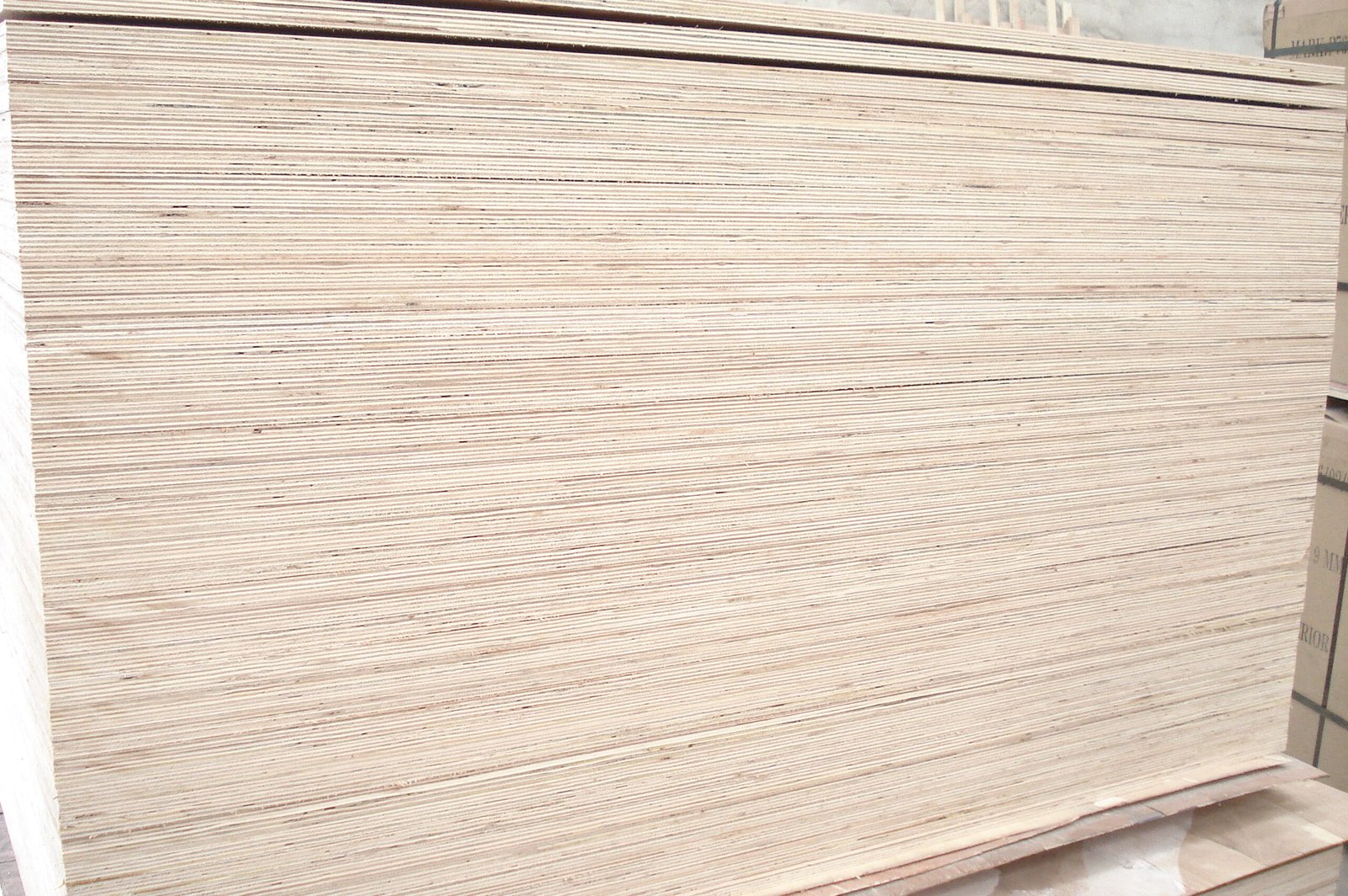
Anyone comparing pricing plywood quickly learns that two quotes for the same nominal sheet can land far apart, because panel family, core species, face grade, bond class, and freight each move the number. Reading a quote without separating those lines hides the reason one supplier sits low and the next sits high, and the buyer pays for the confusion at the dock.
This guide breaks a quote into the parts that set the price, shows how to compare lines across panel families, and explains what the landed cost really includes.
Four lines set most of the number, and each one changes the cost in a predictable way.
Poplar and eucalyptus cores land near the bottom of the range while birch, okoume, and meranti climb higher, because the log supply and the dry-out time differ across species. A quote that names only the face veneer without the core species hides half of the number.
A sheet held to a tight caliper costs more than a sheet sold on nominal thickness, because the mill spends more time at the sander and rejects more boards. Ask whether the price assumes the tolerance the drawing names or a general commercial range.
Panel prices rise and fall with the log market and the freight market together, so a quote that was firm last quarter can move before the next order. Ask how long the number stands, then plan the order around the validity window rather than assuming the price holds. A written expiry turns a moving market into a number the buyer can plan against.
A panel with two clear faces costs more than a panel with one clear face and one that will be hidden, and the gap widens as the demands on the show face rise. State which face the finish will expose before the quote goes out.
Comparing a quote across panel families without matching the lines compares two different panels rather than two prices.
| Line | What to match | What it moves |
|---|---|---|
| Species | Core and face agreed | Base cost |
| Thickness | Same caliper target | Sanding cost |
| Bond class | Same exposure claim | Glue cost |
Two quotes only compare once the grade, the bond, and the thickness line up, because a lower number often reflects a lower panel. Put the two quotes side by side line for line, mark which line differs, then price the difference rather than the headline.
The cost that matters is the one paid when the pallet lands, and that total folds in freight, insurance, duty, and inspection on top of the sheet price. A buyer who compares sheet prices stops at the first line, while a buyer who compares delivered totals sees the whole number. Build the comparison around the delivered figure from the start.
A quote that allows the supplier to substitute a comparable species lets the price drop after the order ships, and the buyer discovers the swap when the panel arrives. Require the species in writing, then hold the supplier to the named face and core on the certificate.
The three build lines each add cost in a different place, so a buyer who reads them apart sees where the number comes from.
A denser core takes more glue to reach the same bond class, so a heavy species quote carries more glue cost than a light one at the same thickness. The density also sets how the panel machines, which matters for the parts that carry a routed edge.
The cost of a clear face climbs steeply at the top of the ladder, because only a small share of the log yields a face that meets the highest grade. A buyer who can accept one hidden face saves the largest share of the total.
A panel glued for exterior service costs more than an interior panel because the adhesive resists moisture and heat, and the mill runs a longer press cycle. Match the bond to the exposure the panel will actually see rather than to the price of the upgrade.
Once the panel is settled, the logistics lines decide the delivered number.
Freight spreads across the whole load, so a container that ships full pays the same freight as a container that ships half empty, and the cost per sheet falls as the load fills. Plan the order around the load size rather than the sheet count.
A longer transit ties up cash in inventory and pushes the payment date further from the build date, so a lower price on a slow lane can cost more than a higher price on a fast one. Weigh the carrying cost against the saving.
A storage quote that arrives after the panel is ordered can erase the saving a buyer negotiated on the sheet, because the pallet that sits for a month carries a cost the sheet price never showed. Agree the storage terms with the freight line, then lock both before the order ships. The two costs travel together.
A quote that names the panel but not the packing method hides the risk of edge damage, because loose sheets shift in transit and nick the corners the buyer paid to protect. Ask whether the load ships strapped, wrapped, and edged.
The last lines convert a panel price into a landed cost, and they matter as much as the panel itself.
A price quoted in one currency against a payment in another carries a risk the panel price never shows, so the buyer should know which currency settles the invoice. Lock the rate or budget for the swing before the order goes out.
A quote under one term may exclude freight, insurance, and duty while another folds them in, so two totals can look close while covering different costs. Confirm the term in the purchase order before comparing the bottom line.
The invoice that arrives after delivery should match the order line for line, and the buyer who checks it catches the substitution or the added fee before the books close. Hold the order, the certificate, and the invoice side by side, then clear the payment only when the three agree. The check costs an hour and protects the margin.
Import duty, port fees, and a quality inspection each add to the landed total and rarely appear in the sheet price. Budget those lines before the quote is called final.
Buyers raise the same questions at the quote stage.
The number usually reflects a different species, bond class, or thickness rather than the same panel at two prices. Compare the quotes line for line before calling one cheaper.
A low headline often rests on a substitution clause or an excluded cost that reappears at the dock. Weigh the landed cost rather than the sheet price.
A load that fills a container cuts the per-sheet freight, so volume helps most when it fills the space. An order that half-fills the load carries the same freight across fewer sheets.
Species, thickness and tolerance, face and back grade, bond class, packing method, Incoterm, and currency. A quote missing any of those lines is not ready to compare.
Fix the species, the bond, and the currency in the order, then agree on a validity window. That holds the number the buyer compared.
A pricing plywood comparison only works once the panel lines match, so match the grade, the bond, and the thickness first, then weigh freight and currency to reach the landed total. For panels quoted across the range, Commercial Plywood covers the sanded families, Film Faced Plywood seals surfaces for wet service, and MDF Board serves the engineered end. Confirm the species, the bond, and the certificate with HYY before the order ships, then compare the landed totals line for line.