Our Location
5th Floor, Huake Center, Lanshan District, Linyi City, Shandong Province, China

5th Floor, Huake Center, Lanshan District, Linyi City, Shandong Province, China
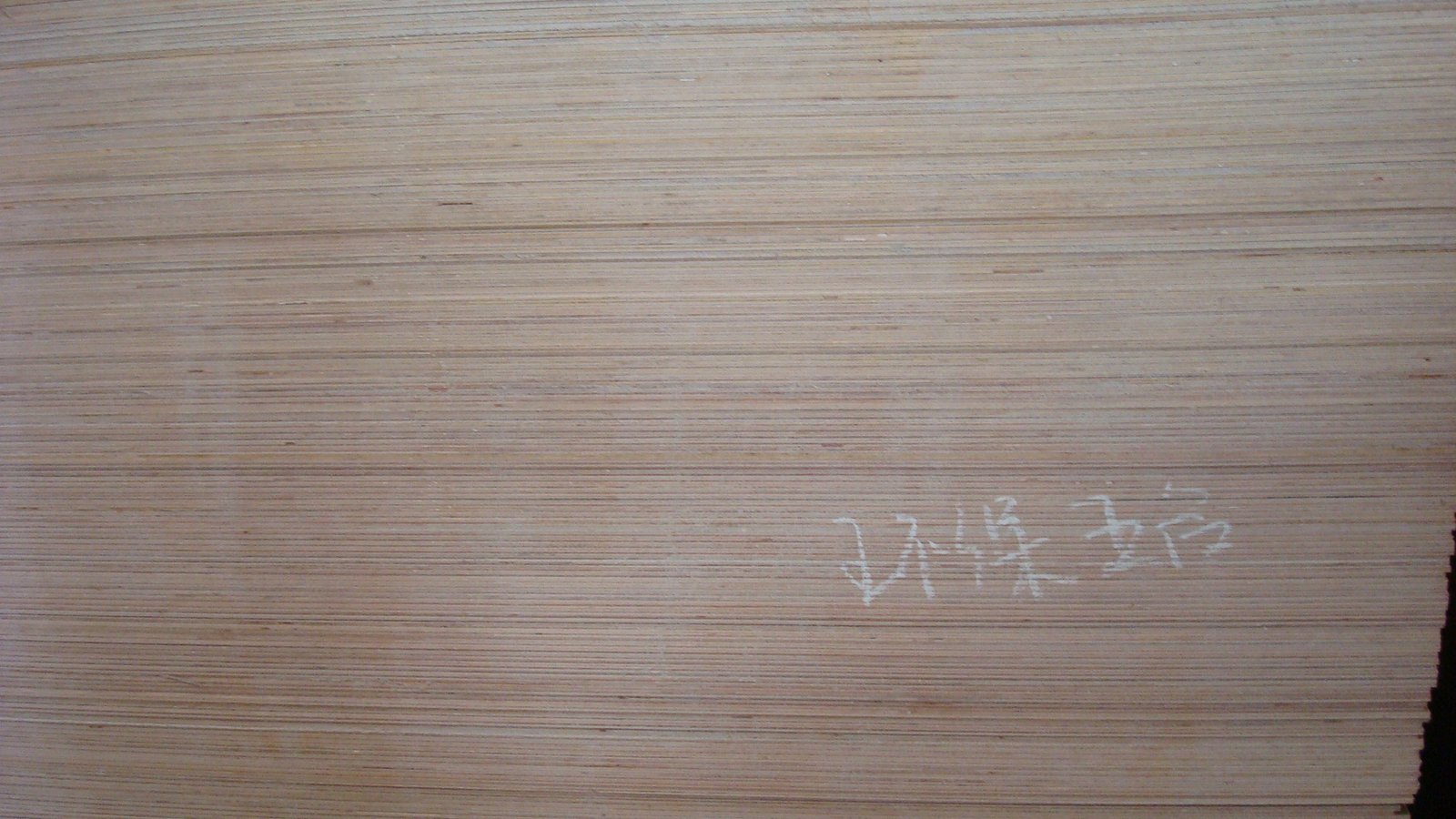
A search for plywood palace usually comes from a furniture maker or a cabinet shop that has outgrown the big-box aisle and wants the species, the face, and the thickness that a hardwood specialist actually stocks. Specialty dealers live on range rather than turnover, and the range rewards buyers who arrive knowing the species and the grade the drawing demands.
This guide covers what a hardwood plywood specialist offers, how buying from a specialty dealer differs from a retail run, how to specify species and face on the order, and how to verify a delivered bundle against the paperwork.
Specialty dealers build inventory around veneer species and face grades rather than the fast-moving sizes, and the depth shows where the big-box shelf runs out.
A hardwood dealer keeps domestic faces such as maple, oak, and cherry alongside imported faces that a generalist never carries, and the range lets a shop match an existing piece rather than approximate it. The species line also runs in graded tiers, so a buyer can order a clean face for the doors and a working face for the boxes from the same species run. Confirm the species name against the veneer sample before the order, because a trade name can cover two timbers with different tones.
Specialty stock carries thin faces for laminate work and thick panels for solid-feel joinery, and both ends of that list stay outside the standard rack. A drawer bottom, a door skin, and a bench top each earn a different thickness from the same species, and the dealer who stocks the range lets one order cover the whole build. Check the thickness against the hardware the drawing assumes, because a door that lands a millimeter proud binds at the frame.
Many specialists cut to a list and edge-band on the same order, which removes waste and saw time from the shop floor. The service earns its fee when the list arrives measured from the drawing with the kerf counted in, because a list written from a tape runs the order one part short and costs a second trip.
The transaction runs on specification rather than shelf label, and three differences change how the order gets written.
| Aspect | Big-box run | Specialty dealer |
|---|---|---|
| Selection basis | What turns fastest | What the species range covers |
| Documentation | Shelf label | Certificate and veneer sample |
| Order shape | Pick from the rack | Specified to the drawing |
A specialty quote names the species, the face pair, the thickness, and the bond because the buyer wrote those into the request, while a retail purchase settles for the label the rack carries. The written spec protects the delivery when two batches drift apart in tone or in tolerance. Send the spec with the inquiry rather than the request for a price, because a price without a spec describes a panel neither side has agreed on.
An approved sample stored in the order file answers the customer question that arrives months later, long after the showroom display changed. Match the delivered face against the filed sample rather than against a new one, then record the comparison with the lot number. The file turns a tone dispute into a reference check.
A veneer sample from the dealer shows the tone and the grain the catalog photograph cannot, and the sample settles the match against the existing work before the sheets ship. Hold the sample against the room finish under the same light the space will see, then approve the tone in writing. The approval costs an afternoon and prevents the run that arrives a shade off the sample.
The order line carries the decisions the drawing already made, and three entries keep the delivered panel inside those decisions.
The letter pair on the stamp names the show face first, and the order should carry that pair rather than a general request for a good face. A quote that lists the pair without the order the mill will read risks a clean face on the back of every sheet, and the re-cut pulls the schedule off the calendar. Write the pair order on the purchase line, then confirm the reading on the delivered stamp.
A clean hardwood face on an interior bond fails quickly in a damp room while the veneer still looks fine, and the failure lands on the glue line rather than the surface. Fix the bond against the exposure first, then let the species and the face answer the finish plan. The order reads cleaner when the three decisions stay separate.
A hardwood face does not change the glue line beneath it, and an interior bond that serves a dry cabinet fails quickly in a damp room. Specify the bond against the exposure the drawing shows, then let the species and the face follow the finish plan. The order reads cleaner when the bond, the face, and the species each answer their own question.
Specialty panels arrive with documents that a shelf purchase never carries, and the receiving check ties the bundle to those documents before the sheets reach the saw.
A certificate filed after the sheets disappear into inventory answers no one when the customer questions the delivered face weeks later. Hold the stamp against the certificate at the dock, then file both with the order the moment they agree so the paperwork is findable before it is needed.
The stamp carries the pair, the thickness, and the lot, while the certificate names the tests and the batch behind those values. Hold the stamp against the certificate at the dock, then file both with the order the moment they agree. A mismatch earns a hold before the panels enter the rack.
A bundle that blends two harvests can hide the shift under the wrap and reveal it only after the doors get hung side by side. Pull the middle sheets against the sample before the cut list starts, then sort any sheet outside the range to the hidden positions. The pull costs a minute and keeps the visible run matched.
Veneer tone drifts between runs even when the letter pair stays the same, so the top sheet tells nothing about the bundle middle. Pull two sheets from the middle, hold them beside the approved sample, then decide acceptance on the bundle rather than the face sheet. The pull costs a minute and catches the run that blended two harvests.
Answers shops raise before the first specialty order.
Species beyond the common four, thicknesses outside the framing list, and face grades deep enough to cover a whole build in one run. The range is built around veneer rather than turnover.
Yes, because a veneer sample shows the tone and grain the catalog photograph cannot. Hold it against the room finish under the same light, then approve the tone in writing.
State the face pair on the purchase line rather than asking generally for a good face. Confirm the reading on the delivered stamp before the sheets enter the rack.
No, the glue line beneath the veneer answers to the room while the face answers the finish. Specify the bond against the exposure, then let species and face follow the finish plan.
A certificate naming the batch and the tests, matched to the stamp on the sheets, plus the approved veneer sample on file. Hold the bundle if the stamp and the certificate disagree.
A specialty order earns its price when the species is named in full, the face pair carries the show side, and the certificate travels with the bundle. Approve the sample in writing, then verify the stamp against the certificate at the dock. For panels with a clear paper trail, Commercial Plywood covers the general range, Melamine Plywood arrives factory-finished, and MDF Board serves painted components. Confirm the core, the face, and the certificate with HYY before the order goes out, then check the delivered sheets at the dock.