Our Location
5th Floor, Huake Center, Lanshan District, Linyi City, Shandong Province, China

5th Floor, Huake Center, Lanshan District, Linyi City, Shandong Province, China
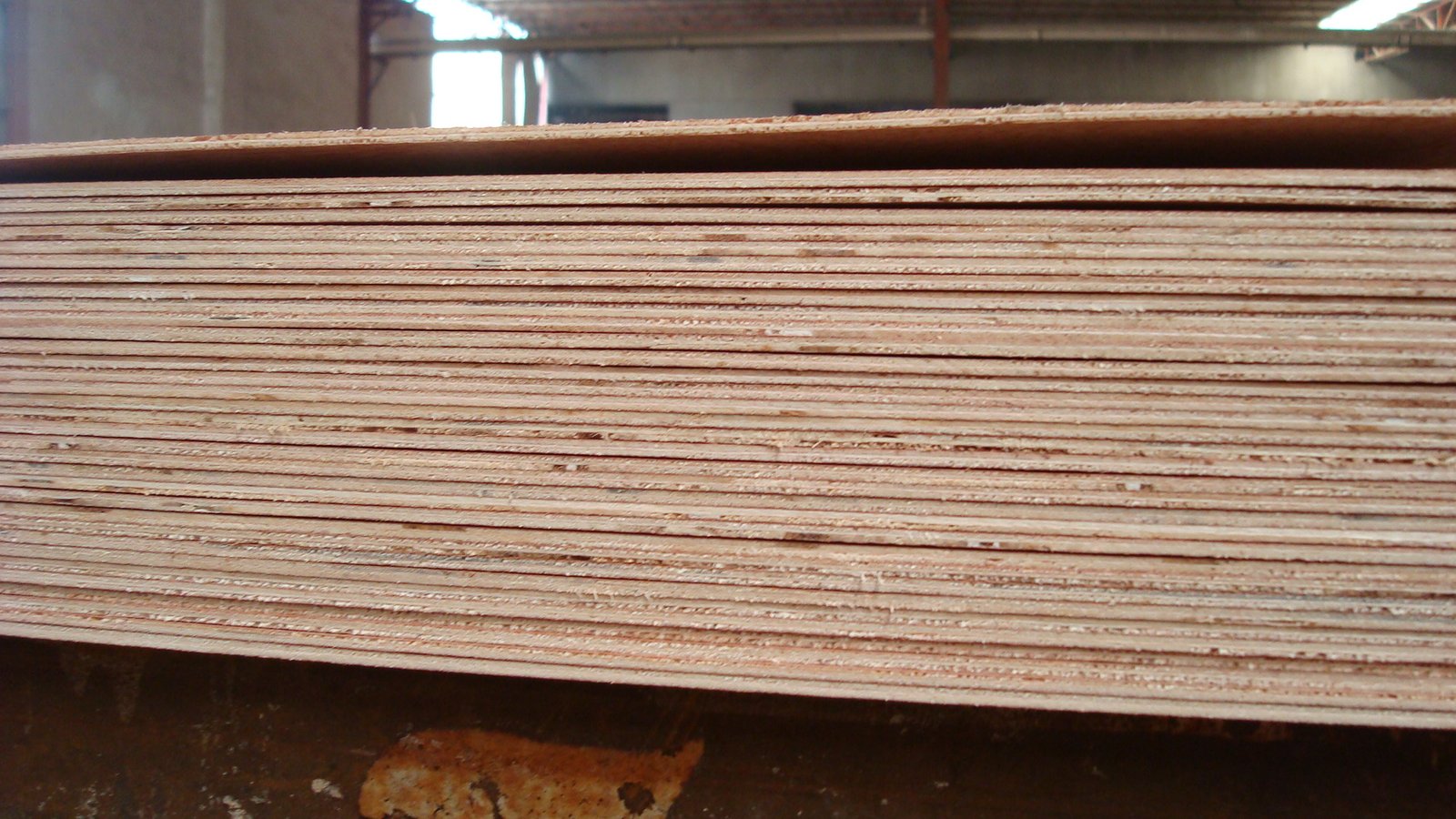
A search for plywood prices usually ends with three quotes that look comparable and land far apart, and the difference rarely comes from the wood alone. Face grade, core species, certification, and freight all move the number, so two honest quotes for the same words on paper can differ by more than the panel costs.
This guide reads plywood prices by panel family, shows how to compare quotes on a landed basis rather than a sheet price, explains what a suspiciously low number signals, and covers the timing that catches a steadier market.
One number for plywood prices tells nothing, because the families price on different inputs: veneer cost for a sanded panel, overlay cost for a finished one, and resin cost for an engineered board.
| Panel family | Main price input | What moves the quote |
|---|---|---|
| Sanded commercial | Face veneer and grade | Letter pair, core species |
| Melamine faced | Overlay and press cycle | Color range, core type |
| Film faced | Phenolic film weight | Coating grams, reuse class |
| Engineered board | Resin and strand mix | Emission class, density |
A clean face costs more because the mill sets aside the veneer that reaches that grade, and the letter pair on the quote drives the price more than the thickness does. A B face over a working back lands below a double-clean pair of the same size, and buyers who map the pair to the drawing spend the premium only where the eye reaches. Quote the pair, not the phrase good face, so the number means the same thing to both sides.
Melamine and film-faced panels carry an overlay cost that sits on top of the core, and the overlay grade decides both the price and the reuse the panel earns. A decorative melamine face prices against the color range and the press cycle, while a phenolic film prices against the coating weight the formwork demands. Compare these families on the overlay spec rather than against a raw sanded sheet, because the two panels answer different jobs.
Chipboard and MDF move with resin cost and emission class rather than veneer grade, which is why their prices drift on a different schedule than plywood. An E1 panel and a low-emission panel of the same size carry different binder chemistry and different numbers. Read the emission class on the quote before the comparison, because two boards that look identical on dimensions price the chemistry inside.
The sheet price is the smallest part of a delivered comparison, and three additions separate the quote that wins the phone call from the one that wins the job.
A quote that looks higher per sheet often lands lower once freight spreads across the quantity, while the cheapest sheet price can carry a freight charge that flips the order. Ask for the landed total at the actual quantity rather than a unit price at a minimum order, then compare the two delivered numbers. The landed figure is the only one the budget actually pays.
A yard that stocks the sizes the drawing needs wastes less than one that forces a second panel to cover an odd cut, and the waste belongs in the comparison even though it never appears on the quote. Count the working footage the order actually delivers, then compare the cost per usable square rather than per sheet. The recalculated number usually changes the ranking.
Bundles with corner guards and a proper wrap cost more to pack and arrive flatter and cleaner, while a bare bundle earns the scuffs that prep time has to sand out. Compare the packaging line on each quote, then add the prep the cheaper pack will demand. The extra cents per sheet often beat the damaged goods they prevent.
A number far below the market carries a reason, and the reason usually hides in a place the quote does not list.
A quote that prices a clean face below the market often plans to ship a working face under the same phrase, because the words on paper never named the letter pair. Ask for the pair in writing, then compare the priced pair against the market for that pair rather than against the phrase. The clarification moves the comparison back onto a fair basis.
Cutting fees, packaging charges, and minimum-order surcharges all sit outside a low sheet price, and each one arrives as a line on the invoice rather than on the quote. Ask which services are included in the number, then add the excluded ones against the competitor that bundled them. The comparison only means something when both quotes cover the same scope.
A panel that meets nominal size only at the mill and lands light after sanding loses span capacity the table never assumed, and the savings on the quote funds the failure later. Measure the delivered sheets with a caliper across the bundle, then compare the reading against the tolerance the standard allows. The check at the dock catches the batch that arrived thin before the parts get cut.
Plywood prices move with log supply, freight rates, and the season, and the timing decision belongs in the plan rather than in a guess.
Every quote carries an expiry tied to the log and freight markets behind it, and a purchase order that arrives after that date earns a requote that may land higher. Read the validity line before the approval cycle starts, then flag the deadline on the calendar so the order reaches the supplier inside the window the price was drawn against.
A shop that buys the same panel every quarter can fix part of the price for a window, and the fixed balance protects the project budget while the floating balance keeps the door open if log prices drop. The mix depends on how steady the demand looks, and the supplier usually prefers a predictable window to a one-off call. Ask for both numbers, then set the split against the schedule.
Three small orders carry three minimums and three freight charges, while one consolidated order earns the quantity line and a single delivery. Buyers who plan a season of work into one order cut the per-sheet cost without negotiating the wood. Run the consolidated total against the split orders before the purchase order goes out.
Answers buyers raise before the comparison.
Face pair, core species, certification, packaging, and freight all move the number, so identical words on paper can describe different panels. Compare the landed total at the actual quantity instead of the unit price.
The sheet price plus freight, packaging, and the waste the sizes force, calculated per usable square at the quantity you will actually order. The landed figure is the only one the budget pays.
Ask for the face pair, the caliper tolerance, and the certificate scope in writing, then compare those against the market for that specification. The low number usually funds a tier or a tolerance left off the page.
A fixed window protects the budget while a floating balance keeps the door open if log prices drop, and the mix depends on demand steadiness. Ask for both numbers and set the split against the schedule.
Log supply, freight rates, and seasonal building demand all push the number, and the swing shows up at the quote before it shows up in the news. Consolidating a season of orders into one purchase earns the volume line regardless of the timing.
Plywood prices become comparable only after the face pair, the landed total, and the usable square are on the same page as the quote. Confirm the pair, the tolerance, and the certificate against the drawing before the order ships, then verify the delivered stamp at the dock. For panels that answer the quote, Commercial Plywood covers the sanded range, Melamine Plywood arrives factory-finished, and Film Faced Plywood carries the formwork spec. Confirm the core, the face, and the certificate with HYY before the order goes out, then check the delivered sheets at the dock.