Our Location
5th Floor, Huake Center, Lanshan District, Linyi City, Shandong Province, China

5th Floor, Huake Center, Lanshan District, Linyi City, Shandong Province, China
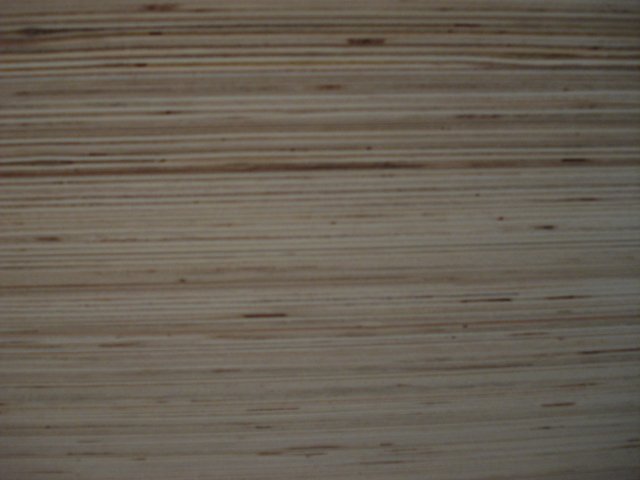
A search for plywood length usually starts with a cut list and a question about what the yard actually stocks: the standard sheet length anchors the layout, and every part beyond that length either gets ordered specially or gets spliced on site. Buyers who plan the list against the stock length waste less material and pay for fewer truckloads.
This guide covers the standard lengths most yards carry, how cut-to-size services change the math, how length affects freight and handling, and how to order the right quantity without overbuying the offcut.
Sheet goods follow a short list of footprints, and the footprint sets the cut layout before any other decision enters the drawing.
The standard sheet covers a rectangular footprint that fits a truck, a rack, and a panel saw without a special setup, and most yards stock the footprint in the thicknesses that move fastest. A cut list that starts from the stock footprint fits more parts into fewer sheets, while a list that starts from the drawing alone discovers the offcut shortage at the end of the run. Mark the stock length on the drawing first, then nest the parts against it before the order goes out.
A drawing that relies on a longer sheet without a stock check turns into a special order with a lead time that reshapes the schedule. Call the yard, confirm the footprint in the thickness the drawing names, then let the answer set the layout rather than the other way around. The call costs five minutes and prevents the week-long wait that a non-stock length demands.
A run of trim, a stair stringer, or a continuous shelf earns a longer sheet, because a joint in the middle of a visible part creates a line the finish will show. Longer sheets also cost more to handle and freight, so the decision weighs the joint against the handling rather than defaulting to the longest option. Confirm the yard stocks the length before the drawing relies on it, because a special order pulls the lead time toward a different week.
A thick sheet across a long span carries itself better than a thin one, yet the weight climbs fast enough to change the unloading plan. Hold the thickness against the span the drawing demands, then confirm the crew and the equipment can set the sheet where it needs to go. The two numbers belong on the same line of the order.
A yard that cuts to a list removes waste from the site, yet the service earns its fee only when the list arrives measured from the drawing rather than from a memory.
| Service choice | What it saves | What it costs |
|---|---|---|
| Full sheets, cut on site | No service fee | Waste and saw time |
| Cut-to-size at the yard | Site waste and labor | Service charge, re-cut trips |
| Mixed: full and cut | Balance of both | Planning time |
A list written from the drawing nests against the stock length with the kerf counted in, while a list written from a tape on site carries the cumulative rounding that runs the order one part short. Transfer the drawing dimensions to the list, add the kerf width between parts, then confirm the total against the sheet count before the order goes in. The discipline at the list prevents the second trip for a single panel.
A quote that lists the sheet count without the part names lets a missed component hide inside the total, and the shortage surfaces when the saw reaches the missing piece. Write the part names beside the quantities on the quote, then reconcile them against the drawing before the order goes in. The list turns the quote into a checklist the yard can answer.
A cut service that misses one part earns a second trip that costs more than the fee the first cut saved. Review the list against the drawing once more before it leaves the office, then ask the yard to confirm the part count on the quote. The confirmation costs a call and protects the schedule that the service was meant to help.
The sheet length decides the truck, the unloading equipment, and the space the stack occupies on site, and all three belong in the plan before the delivery window is set.
A flatbed that cannot turn into the driveway earns a carry from the street, and that carry costs a crew that the delivery quote never included. Measure the entrance against the truck length before the window is set, then plan the staging area the carry will need. The measurement prevents the truck that parks two hundred feet from the install.
A sheet longer than the standard bed needs a flatbed or a specialized carrier, and that carrier books on a different schedule than a box truck. Confirm the transport against the length before the ship date is promised, because a delivery that arrives on the wrong truck earns a crane rental the budget never carried.
A stack of long sheets occupies floor space that a smaller footprint would free for the crew, and a site without a flat staging area earns the bow that a leaning stack creates. Measure the staging space against the sheet length before the order ships, then set the stickers and the cover material in place. The preparation costs an hour and keeps the panels flat through the wait.
The sheet count follows the nesting plan, and the plan follows the stock length that the yard actually carries.
Lay the parts on a sheet diagram with the kerf and the trim allowance marked, then count the sheets the layout consumes. The diagram exposes the offcut that a hand calculation hides, and that offcut either becomes a part on the next sheet or becomes waste the budget absorbs. Buyers who nest first order the sheets the layout proves rather than the sheets a habit suggests.
An unlabelled offcut goes back on the rack as an unknown, and the next list never finds the piece that would have covered the cleats. Write the length, width, and thickness on the offcut edge as it goes into storage, then pull by the numbers when the small parts enter the next list. The marker turns waste into inventory the shop can find.
An offcut that matches the hinge blocks, the cleats, or the blocking saves a full sheet that the small parts would otherwise consume. Store the offcut flat with a note of its dimensions, then pull it before the next order reaches the yard. The habit turns waste into inventory and keeps the next list honest.
Answers buyers raise before the order.
Most yards stock the common rectangular footprint in the thicknesses that move fastest, and longer sheets earn a special order. Confirm the stock before the drawing relies on a length.
It saves site waste and saw time when the list arrives measured from the drawing, while a list written from a tape runs the order one part short. Review the part count against the quote before it leaves the office.
A sheet beyond the standard bed needs a flatbed or a specialized carrier that books on a different schedule. Confirm the transport against the length before the ship date is promised.
Order what the nesting diagram proves, then keep the offcut for the small parts the next list will consume. A habit of rounding up wastes a sheet that the storage never turns into a part.
Flat on stickers in a shaded staging area large enough for the footprint, with the cover material ready before the rain arrives. A leaning stack creates the bow that the saw follows.
Length sets the layout, the freight, and the waste on every order, so the stock footprint belongs on the drawing before the list goes out. Nest the parts, count the sheets the diagram proves, then confirm the transport against the length. When the project calls for panels that arrive ready for the list, Commercial Plywood covers the general range, Film Faced Plywood seals surfaces for wet service, and Chip Board serves hidden parts at a lower cost. Confirm the face, the bond, and the certificate with HYY before the order goes out, then check the delivered sheets at the dock.