Our Location
5th Floor, Huake Center, Lanshan District, Linyi City, Shandong Province, China

5th Floor, Huake Center, Lanshan District, Linyi City, Shandong Province, China
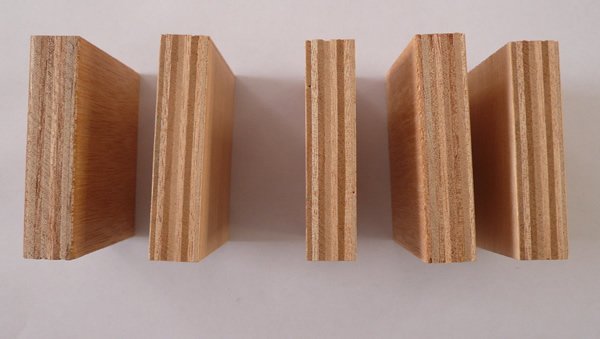
Buyers who search plywood las vegas are usually planning a build in a climate that punishes panels twice: the summer heat dries the wood, and the long transit from distant mills adds days of heat cycling under the wrap. The panel that arrives right still moves once it sits in a Las Vegas room, so the order, the storage, and the acclimation all earn a plan before the saw runs.
This guide covers what the desert climate does to a sheet, how to source panels for the heat, how to store and acclimate them on site, and which receiving checks catch transit damage before the first cut.
Low humidity and wide temperature swings move moisture through a panel faster than a coastal climate does, and the movement shows at the seams and the edges first.
Air that sits well below the moisture content the mill targeted keeps pulling water from the plies after the sheet reaches the room, and the panel shrinks across its face. A joint that closed tight at the install opens a hairline after the first heating season, while a finish applied to a panel that has not stabilized cracks along the movement line. Let the sheets reach the room moisture before the first cut, because a panel cut while it is still wet finishes drying in the frame.
A van that sits in the summer sun carries interior temperatures that boil the moisture at the cut edge, and the plies that meet the band lift before the sheet reaches the site. Ask for a shaded or same-day unload when the transit lands in the afternoon, then inspect the edges under the wrap before the driver leaves. The edge check at the dock costs a minute and prevents the panel that delaminates along the rim after the first week.
A pin or pinless meter reads the panel core rather than the surface feel, and the number tells the crew whether the sheet has reached the room yet. Take readings at the bundle edge and the center of a top sheet, then wait until the two agree before the first cut. The meter costs less than the cabinet that binds because the panels shrank after assembly.
A sheet that spends a day against the wall stabilizes only at the surface, while the core keeps moving for several more days. Stack the sheets flat on stickers in the install room, leave them for the period the material needs, then cut the parts that carry visible faces first while the panel is still true. The patience at the stack prevents the cabinet that binds because the panels shrank after assembly.
Local stock and direct shipments each answer a different need, and the choice follows the quantity, the spec, and the schedule the project carries.
| Sourcing route | Strength | Consideration |
|---|---|---|
| Local yard stock | Same-day, inspectable | Range may stop at common faces |
| Direct mill order | Full spec and certificate | Transit adds heat cycling days |
| Cut-to-size service | Less waste on site | Re-cut needs a second trip |
A local yard lets the buyer sight the actual face and the actual edge before the money changes hands, which matters most on the sheets that carry a visible finish. Pull a sheet from the middle of the stack rather than the top, because the top sheet has been handled by everyone who walked past. The inspection costs five minutes and settles the grade question that a catalog photo cannot.
The date tells the receiving crew how many days of heat cycling the bundle absorbed before it arrived, which sets the edge inspection before the unload. A shipment that left the mill two days ago needs a different check than one that spent a week in a desert trailer, and the date costs nothing to write on the order.
Rated panels, specialty bonds, and matched batches usually need a mill order, because the local yard stocks the fastest-moving faces rather than the certificate-backed ones. Confirm the certificate travels with the shipment, then plan the receiving crew around the arrival window rather than the invoice date. The direct route costs transit days and earns the document the inspection will ask for.
The first hours in the desert decide how the panel behaves for the rest of the build, and three habits cover most of the movement a sheet can show.
A summer rain that wets the top sheet of a stack swells the plies at the face while the sheet below stays dry, and the panel cups as it dries. Stage the cover material with the stack rather than in the shed, because the rain that matters is the one that arrives without a warning. The cover costs a minute and saves the sheet that gets pulled from the middle of the run.
A sheet that leans against a wall for a week picks up a bow that the saw follows, and the desert heat accelerates the set. Stack the sheets flat on stickers in a shaded part of the room, then cut the parts that carry visible faces first while the panel is still true. The storage habit costs a floor space and saves the rework a bowed sheet forces.
A cold draft that dries one face faster than the other cups the panel, and the cup survives the acclimation period if the draft keeps hitting the same side. Place the stack where the air moves around it rather than across it, then flip the sheets once during the acclimation so both faces see the same room. The flip costs a minute and keeps the panel flat.
The receiving crew owns one pass to catch what the driver will not, and the checklist below covers the damage a hot transit actually causes.
Walk the bundle while it still sits on the trailer, then note the strap count, the wrap condition, and any lifted edge on the delivery note before the forklift touches the load. The note written at the dock settles the claim later, while the note written after the unload invites an argument about when the damage happened.
A bundle that sheds a sheet on the road arrives short, and the shortage only surfaces when the cut list runs out of material. Count the sheets against the packing list before the driver leaves, then note the shortfall on the delivery note. The count at the dock settles the claim, while the count after the unload invites an argument about when the loss happened.
Answers desert builders raise before the order.
Long enough for the core to reach the room moisture rather than just the surface, which takes days rather than hours in dry air. Stack flat on stickers, then cut the visible parts first while the panel is still true.
A van that sits in the summer sun carries temperatures that lift the plies at the cut edge before the sheet reaches the site. Ask for a shaded unload when the transit lands in the afternoon, then inspect the edges under the wrap.
Local stock settles the grade question at the yard, while a direct mill order earns the certificate a rated panel needs. Run both routes against the quantity and the schedule before the order goes in.
The dry air pulled moisture from the plies and shrank the panel across its face. Let the sheets stabilize before the first cut, then seal every exposed edge so the movement stays small.
In a shaded part of the install room where air moves around the stack rather than across it. Keep it out of the direct sun and off the AC line, then flip the sheets once during acclimation.
A desert build earns its panels when the order accounts for transit heat, the stack acclimates in the install room, and the receiving check runs while the bundle still sits on the trailer. Confirm the face, the bond, and the certificate against the drawing before the order ships, then check the delivered stamp at the dock. For panels that carry the run, Commercial Plywood covers the general range, Film Faced Plywood seals surfaces for wet service, and MDF Board serves painted interior trim. Confirm the core, the face, and the certificate with HYY before the order goes out, then check the delivered sheets at the dock.