Our Location
5th Floor, Huake Center, Lanshan District, Linyi City, Shandong Province, China

5th Floor, Huake Center, Lanshan District, Linyi City, Shandong Province, China
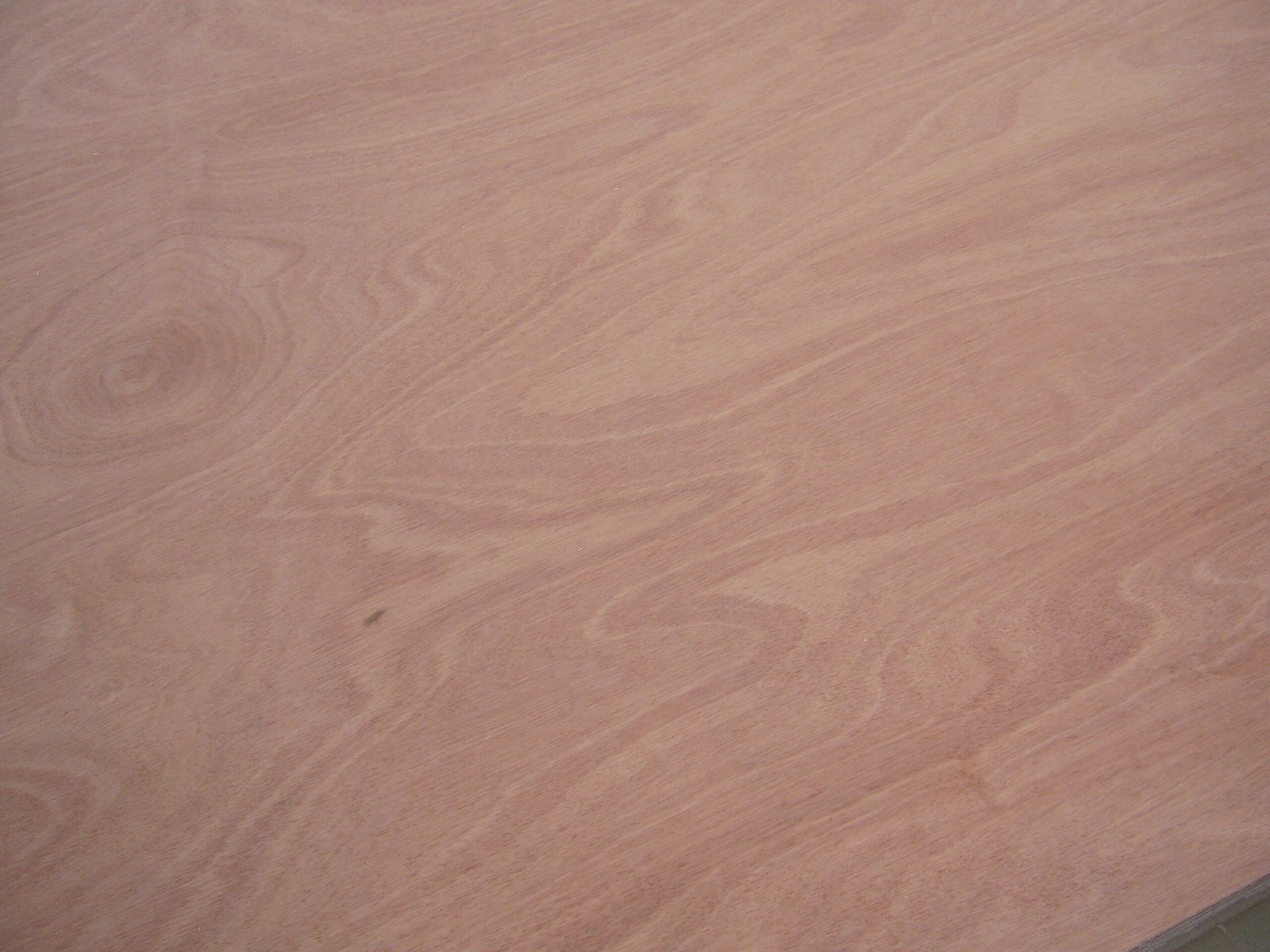
The lowest face class in the common letter ladder carries open defects by design, and plywood d grade buyers use that fact to cut cost on parts nobody sees. The face accepts knots and patches that higher grades reject, while the panel underneath stays structural and flat.
This guide covers what the D face allows, where the grade works and fails, how to buy it without surprises, and how to verify a delivered batch against the certificate.
Grading charts place the D class at the working end of the ladder, where the surface may carry open defects and heavy color variation. The allowance exists so the mill can sell the sheet instead of discarding it, and the buyer who understands the limits buys with clear eyes.
Knots that open, veneer laps, and unmatched patches all fit the D allowance, which means the face will not survive a clear finish or a fine paint job. The buyer who knows that constraint routes the panel to work where the face never shows.
Color across a D face shifts widely from sheet to sheet, and the variation reads as a defect only when the surface is visible. On covered positions the variation costs nothing, and the price gap against a cleaner face funds the lining that hides it.
Face class and core quality answer different questions, and a D face can sit on a solid core or a patchwork one. Specify the core separately, because a hidden position may still need the panel to hold screws or carry a load.
The D face earns its keep behind linings and under finishes, and it disappoints the moment the surface meets the eye or the weather.
| Position | D face fit | Why |
|---|---|---|
| Hidden cabinet backs | Strong fit | Surface never shows |
| Subfloor decking | Common choice | Covered by finish floor |
| Packaging and crates | Strong fit | Cost matters, face does not |
| Painted visible panels | Poor fit | Defects telegraph through paint |
| Clear-finished furniture | No fit | Every defect stays visible |
Behind a lining, under a floor, or inside a crate, the D face disappears the moment the job closes up. The saving compounds across a large run, because the project pays for the core it needs and not for a surface it buries.
The chart behind a face letter counts the defects the surface may carry, and it ignores everything the surface does not show. A D face chart permits open knots, veneer laps, and heavy tone variation, and it says nothing about the core or the glue line. Read the chart as a surface document, then read the core spec and the bond class as separate lines on the same order.
The face class says nothing about glue line exposure, and a D face outdoors still needs a bond rated for the weather. Fix the bond first, then read the face against the finish plan.
The purchase order carries the constraints that keep a D face panel in the right place, and four lines do most of that work.
A single line that says only the letter leaves the core open to interpretation, and the delivered sheet may carry a patchwork core that will not hold a fastener. Two lines remove the ambiguity and give the dock a basis for acceptance.
Sometimes a D face ends up visible because the drawing changed after the order shipped, and the defect under a thin paint telegraphs within the first season. Catch that at the drawing stage rather than at the punch list, and move the visible positions to a cleaner face while the covered parts stay on the working grade. The split costs a little and saves the repaint.
The D face saves money only when the project skips the fill and sand that a cleaner face would demand. Price the labor savings against the price gap, and the arithmetic decides the tier.
Receiving runs on three checks, and each one answers a question the paperwork raises.
The stamp carries the pair, the thickness, and the lot code, and the certificate names the tests behind those values. A mismatch earns a hold at the dock rather than a discovery at the saw.
A D face can hide a poor core, so check the cut edge for voids and loose plies before the panels reach production. The edge tells the truth that the face conceals.
The stamp names two letters, and the first one tells you which face the mill treated as the show side. A D that appears first means the working face is the one the mill intended to display, while a D that appears second means the panel carries a better face on top. Confirm the reading against the drawing before the sheets reach the saw, because a reversed pair sends the working face to a visible slot.
Panels that lean against a wall take a bow that the assembly inherits, and the flatness check at the dock prevents the argument later. Stack on stickers, covered, and flat.
Answers buyers raise once the tier enters the estimate.
The letter follows a common face ladder in most catalogs, yet each supplier writes the exact limits. Ask which chart the catalog prints, then hold that page with the order for the acceptance check.
It hides under a heavy paint only with fill and prep, and the defects often telegraph anyway. Move up a tier for painted visible work.
The face does not decide that, the core does. Specify a solid core for fastener positions, then accept the working face.
No. The letters rank the surface, while the bond class names the exposure. Choose the bond for the room, then read the face.
The gap depends on the market and the batch, and the saving shows up most on large runs of covered parts. Compare quotes on the same core.
Match the stamp to the certificate for the same lot, then inspect the core at a cut edge before the panels enter production.
Hidden panels that hold screws, carry shelves, or close a cabinet wall need a core that grips a fastener without splitting, and a working face can still sit on a solid core. Ask for the core spec as its own line, because a patchwork core under a D face fails at the first screw while the face never shows the problem. The core also decides how the panel behaves at the cut edge, where voids reveal the construction that the face conceals.
Ask for the face description, the core spec, and the bond class as three separate lines, then request the batch certificate for the lot. The three lines settle what the letter means in this catalog, and the certificate answers the dispute a vague order creates at the dock. Buyers who hold the written definition accept or reject a panel on the document rather than on a memory of the quote.
Split the order by position instead of mixing on the same sheet, and label each bundle for its destination. The habit keeps a working face out of a visible slot.
Read the D face as a cost tool for hidden work: specify the core and the bond first, accept the working face where nothing shows, and verify the lot at the dock. When covered parts need dependable stock, Chip Board serves concealed positions at a lower cost, Commercial Plywood covers the general range, and Film Faced Plywood seals surfaces for wet service. Confirm the face, the core, and the certificate with HYY before the order goes out, then inspect the delivered stamp at arrival.