Our Location
5th Floor, Huake Center, Lanshan District, Linyi City, Shandong Province, China

5th Floor, Huake Center, Lanshan District, Linyi City, Shandong Province, China
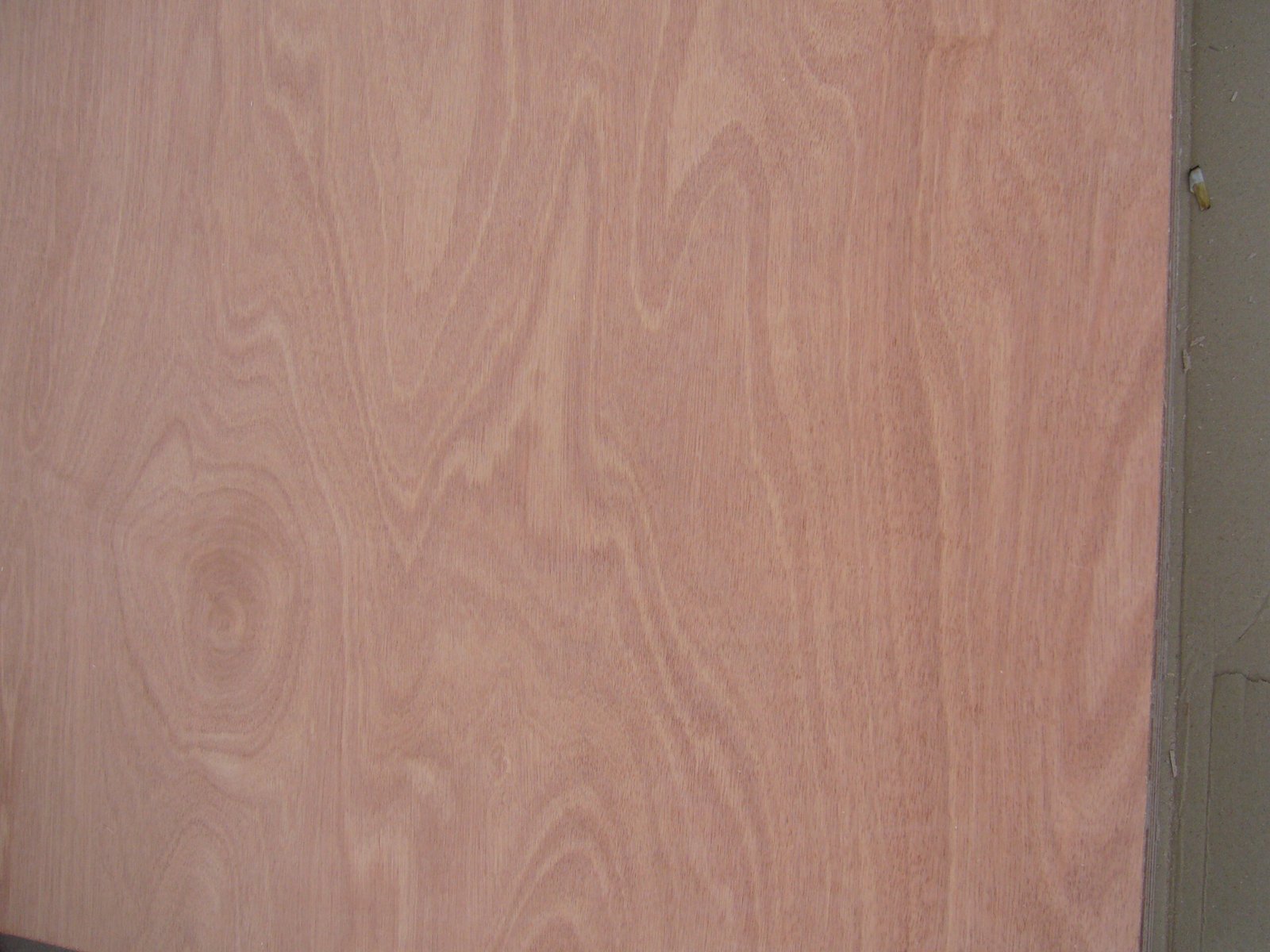
A plywood deck uses full sheets as the walking surface, whether that surface sits on joists as a subfloor, spans a platform, or covers a trailer bed. The sheet carries the load across its span, and the choices that follow, including thickness, bond, fastening, and edge treatment, decide whether the deck stays flat through the seasons.
This guide covers thickness and span selection, exposure ratings, fastening patterns, moisture management, and the receiving checks that keep a deck project out of the repair column.
Sheet decking beats board decking on speed and flatness, because a full sheet closes an area in one pass and leaves no gaps to cup. The trade sits in the edge treatment and the joint layout, both of which deserve a plan before the first sheet arrives.
Interior subfloors use structural panels over joists, and the stamped span rating tells the builder which joist spacing the sheet accepts. The finish floor covers the panel, so the face grade matters less than the core and the bond.
Platforms and stages need a flat surface that stays flat under foot traffic, and the panel thickness follows the support spacing rather than a rule of thumb. Edge banding protects the exposed plies where the audience sees them.
Utility decks face weather and abrasion, and the exposure rating plus the edge sealing decide how long the surface lasts. Buyers who skip the sealing step pay for it in delaminated edges within a season.
Span drives the thickness choice more than the load per square foot does, and the stamped rating on structural panels answers the question directly.
| Deck type | What sets thickness | Check before ordering |
|---|---|---|
| Interior subfloor | Stamped span rating | Match joist spacing to the rating |
| Platform or stage | Support spacing | Set supports first, then thickness |
| Trailer bed | Axle load and support layout | Confirm the exposure rating |
| Utility platform | Stored load and edge exposure | Plan the edge seal before install |
Structural panels carry a span rating stamped on the face, and that number ties the sheet to a joist spacing. Buyers who rely on memory instead of the stamp discover the mismatch after the floor deflects.
Structural panels carry a span rating stamped on the face, and that rating ties the sheet to a joist spacing that the mill tested. The stamp outranks a memory of last season order, and the builder who reads it at the dock avoids the deflection complaint that follows a mismatched floor. Hold the stamp against the drawing before the sheets reach the frame, then keep the certificate with the project file for the warranty question.
Adding supports often costs less than stepping up a full thickness tier, and the two options should be priced together. A deck that closes its span with closer supports keeps the material cost flat and the deflection in check.
A deck fails at its edges and fasteners more often than at its center, so the layout deserves the same attention as the thickness.
A sheet edge that misses the joist holds nothing, and the fastener pulls through under load. Lay out the sheets so every edge lands on structure, then add blocking where the layout demands it.
Edge spacing and field spacing both come from the panel type and the support layout, and a pattern copied from another deck rarely fits this one. Write the pattern on the drawing, then check the first sheet against the pattern before the crew falls into a rhythm. The habit catches the error in one panel instead of a hundred.
Aligned end joints create a hinge line that flexes under traffic, while staggered joints spread the load across the deck. The habit costs a cut and returns the stiffness that a continuous surface needs.
Water is the enemy of a plywood deck, and the details that keep it out pay for themselves in the second season.
Exposed plies take on moisture and swell at the rim, which lifts the finish and opens the seam. Seal all cut edges with the system the exposure demands, then let the deck cure before traffic loads it.
Interior panels fail quickly outdoors, and the bond class names the exposure a panel accepts. Match the bond to the weather the deck will see, then confirm the rating on the certificate rather than the quote.
A deck that traps water against its surface loses the edge sealing battle, so the frame should slope or drain. Confirm the detail at the drawing stage, because a flat pond on a panel face shortens its life.
The dock check protects the deck before the first fastener goes in, and three readings settle the acceptance.
Sight each sheet against a straight edge before it leaves the bundle, and reject the bowed panels that will fight the frame. The check takes a minute and prevents a twisted deck.
The stamp names the span rating and the lot, and the certificate names the tests behind the values. A mismatch earns a hold before the panels reach the joists.
The first sheet teaches the crew the spacing, the stagger, and the gap that the rest of the deck follows, so snap the layout lines before it goes down. A crew that sets the pattern on one panel catches the error in one sheet instead of a hundred. Check the first sheet against the drawing, confirm the edge lands on structure, then let the rhythm carry the rest of the run.
On a stage or a platform, the exposed rim is the part the audience reads, and a bare edge takes the knocks of daily traffic. A banding strip or a folded metal lip protects the plies and gives the deck a finished line. Choose the treatment at the drawing stage, because the banding needs a flat edge and a clean surface to hold.
Bundles that sit on uneven ground pick up a bow that the deck inherits, and uncovered stacks absorb rain before installation. Store flat, stickered, and covered until the sheets go down.
Answers builders raise before the first sheet.
The span rating stamped on the panel answers the question against your joist spacing. Support the span first, then read the stamp.
Only with the right exposure rating and edge sealing, and even then the service life shortens. Specify a bond built for the weather.
Seal every cut edge with a compatible system and let it cure before traffic. The seal costs minutes and saves the rim.
Where water can collect, yes. A slope or a drain keeps standing water off the face and protects the edge sealing.
Flat enough to sit on the frame without pressure, which you can check with a straight edge at the stack. Reject the bowed panels at the dock.
Trim the crushed plies back to sound wood, seal the new edge, and bridge the gap with a compatible filler before the finish floor goes down. The repair works best at the dock, where the damaged sheet is still part of a claim rather than a hidden flaw under the flooring.
The finish floor covers the panel, so the face grade matters less than the core and the bond. Spend the budget on span and exposure instead.
A plywood deck rewards the builder who sets the span, seals the edges, and checks flatness before the first fastener. Once those three habits hold, the sheet closes the area in one pass and stays flat through the seasons. When the deck calls for panels with a documented batch, Film Faced Plywood seals the surface for wet service, Commercial Plywood covers the general range, and Melamine Plywood finishes protected interiors in one overlay. Confirm the span rating, the bond, and the certificate with HYY before the order goes out, then verify the delivered stamp at the dock.