Our Location
5th Floor, Huake Center, Lanshan District, Linyi City, Shandong Province, China

5th Floor, Huake Center, Lanshan District, Linyi City, Shandong Province, China
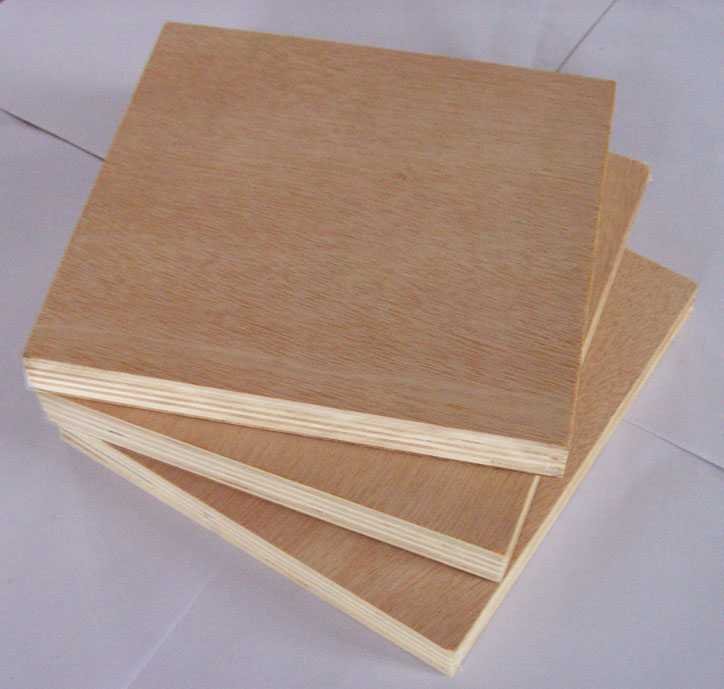
Buyers who search plywood c channel are usually fitting a panel into a formed metal C section: a shelf in a rack rail, a sign blank in an extrusion, or a bench top seated in a channel frame. The panel works only when its measured thickness sits inside the channel play, and the frame works only when the span matches the sheet.
This guide covers the fit tolerance, the span and support rules, the fastening details, and the order notes that keep the delivered panels seatable.
A C channel wraps three sides of the panel and leaves one side open, so the plywood acts as both the surface and the stiffener of the assembly. The channel carries the load to the uprights, and the panel keeps the frame from racking.
The folded legs of the channel take the bending, which lets a modest panel behave like a much stiffer shelf. As a result, fabricators can drop the panel thickness one step and still hold the load, provided the seat and the fasteners follow the drawing.
Between supports, the plywood spans as a plate and resists the sag that a thin sheet would show under stock. Buyers who size the span before the thickness usually land a cheaper, lighter assembly that still sits flat after a season of use.
The joint between channel and panel decides the life of the build. A tight seat transfers load cleanly, while a sloppy seat lets the panel creep, squeak, and wear the finish at the contact line.
Fit starts with two measurements: the web opening of the channel and the actual thickness of the sheet. Both numbers carry a band, and the band decides whether the panel drops in by hand or needs a mallet.
| Measurement | Why it matters | Check at receiving |
|---|---|---|
| Channel web opening | Sets the pocket the panel enters | Measure at both ends of the length |
| Panel thickness | Sets the play and the seat | Check several points with calipers |
| Panel width | Sets the bearing on the legs | Confirm against the drawing |
| Edge squareness | Sets how the panel lines up | Sight the edge against the frame |
Nominal thickness tells the buyer little, because two mills can run different bands under the same label. Measure the sheet, measure the channel, and read the difference as the play you will actually assemble.
Not every C channel takes every panel, because the leg length, the return radius, and the web opening all change the seat. Measure the profile at both ends of a length, since a formed section can drift along the run, then match the panel band to the tightest reading. Buyers who sample the profile before the panel order avoid a delivery that sits proud of the channel lip. Hold the sample channel with the purchase note, because the fit question returns at every reorder.
Plywood gains thickness at an exposed edge when humidity climbs, and a pocket that fits on a dry day can bind in a damp one. Leave a hair of clearance on the fit and seal the edge so the panel holds its dimension through the season.
Span drives deflection more than thickness does, so the support layout deserves the first pass. Buyers who set the supports first then choose the thinnest sheet that clears the deflection limit cut cost without giving up stiffness.
A stack of parts in one corner loads the panel differently than an even spread, and the layout should answer the worst case. Add a support under the heavy zone instead of jumping the whole panel to a thicker grade.
A channel shelf loaded at the center behaves differently from one loaded at the edge, and the support layout should answer the heavy case. Place a support under the zone that carries the stock instead of stepping the whole panel to a thicker grade, then re-check the sag with the real load in place. The approach keeps the material cost flat while the stiffness lands where the weight sits. Buyers who mark the loaded zone on the drawing pass the requirement straight to the fabricator without a second meeting.
A shelf that sags under load warns the user long before it breaks, and buyers who set a deflection limit in the spec catch the problem at the drawing stage. The limit keeps the assembly honest after the first heavy load arrives.
The channel holds the panel only as well as the fasteners and the seat allow, so the attachment detail carries real weight. Buyers who treat the fastening as an afterthought pay for it in rattles and worn holes.
Screws driven through the channel leg into the panel edge hold better than face screws that split the veneer. Pre-drill the entry, keep the fastener short of the opposite face, and let the channel carry the shear.
Compliant adhesive lets the panel breathe inside the channel, while rigid screws hold it still until something gives. Shops that mix both methods anchor the panel at a few points and let the adhesive carry the rest of the line. The split keeps the sheet registered without fighting the seasonal change that a fully fixed pattern would resist. State the method on the drawing so the assembler does not improvise halfway down the run.
Polymer-bound panels move a little with the seasons, and a rigid fastening pattern fights that movement until something gives. A slotted hole or a compliant adhesive line absorbs the change and keeps the face flat.
The open side of the channel exposes the panel edge, which takes the knocks. A banding strip or a folded metal lip protects the plies and gives the assembly a finished line that survives handling.
The order note decides whether the delivered sheets seat in the frame, so the note should carry the fit, the span, and the finish in plain language. Buyers who write those three items get panels that assemble on the first pass.
Ask for the measured band rather than the nominal name, then match it to the channel you already hold. A supplier who confirms the band on the order removes the guesswork that otherwise shows up at the fit-up.
Channel work punishes a bowed sheet, because the panel fights the frame during assembly. Request flat, square panels and check a few at the dock against a straight edge before the run starts.
One batch keeps the thickness and the tone consistent across the frame, which matters when several panels sit in the same line of sight. Split orders invite a visible drift that the customer notices first.
Answers fabricators raise at the fit-up bench.
It should drop in with light hand pressure and still move a hair when the season changes. A press fit binds, while a loose fit rattles and wears the seat.
Yes, and the trade usually pays. Move the supports in and keep the deflection limit, then confirm the bearing does not crush the edge.
Seal the exposed edge at minimum, because that is where moisture enters and thickness grows. Seal every face when the assembly sits outdoors or in a damp room.
Fasten through the channel leg into the panel edge with pre-drilled entries, and keep the spacing even along the run. Face screws split veneer and loosen faster.
State the measured thickness band, the flat and square requirement, and the batch request in writing, then match the delivered stamp to the certificate.
Size the fit, the span, and the fastening before the order leaves the desk, and write the measured band into the purchase note so the delivered sheets seat on the first pass. When the assembly needs panels with a documented batch, Commercial Plywood covers the general range, Film Faced Plywood seals the surface for damp service, and MDF Board runs smooth painted blanks. Confirm the fit, the batch, and the certificate with HYY before you commit, then check the delivered thickness against the channel you hold.