Our Location
5th Floor, Huake Center, Lanshan District, Linyi City, Shandong Province, China

5th Floor, Huake Center, Lanshan District, Linyi City, Shandong Province, China
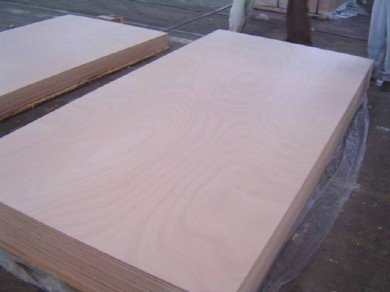
A buyer who meets the code plywood c 2 in a quote usually holds a face letter and a supplier tier that do not appear in any shared standard. The pair looks like a grade, and the number reads like a class, yet the meaning sits in the catalog that printed it.
This guide separates the letter from the number, shows what each part can promise, and gives the buyer a verification path that turns the code into a written specification.
A short code stacks two separate claims into one string. The letter claims a face quality, and the number claims a tier inside the supplier own list. Neither claim carries weight until the supplier writes the definition behind it, and the buyer who reads the pair as a standard grade walks into a mismatch later.
The leading C usually rides on the familiar face ladder, where the letter marks how many defects the surface may carry. A C face stays structural and paintable, and it tolerates the natural marks that a cleaner face rejects. Confirm which ladder the supplier uses, because regional habits place the same letter at slightly different points.
The number rarely comes from a public standard. It more often tracks a supplier tier: the second rung of a house list, a price band, or a mill line. Ask what moves a panel from tier one to tier two, and the answer usually names a face limit, a thickness band, or a bond class.
Two suppliers can print the same pair and sell two different panels, because each writes its own catalog first. The buyer who compares on characters alone picks the cheaper string instead of the better panel. Pin the definition on the quote, then compare the definitions side by side.
Once the letter belongs to a named ladder, it starts to describe the surface the panel carries. A C face keeps the sheet usable for painted work, sheathing, and covered furniture parts while accepting natural variation that higher faces trim out of the run.
The class allows sound natural character such as tight knots and tone variation within the published limits of that ladder, and it rejects open defects that break the surface. The practical test stays simple: fill the panel, sand it flat, and check whether the repair disappears under the finish.
C faces carry painted built-ins, drawer backs, sub-assemblies, and the covered sides of casework. Buyers who send the panel straight to a visible position often pay for a higher face anyway, so the choice belongs in the estimate rather than at the saw.
Tone, grain, and patch appearance live outside a written letter, and a physical sample answers them faster than any paragraph. Buyers who hold an approved sample beside the quote gain a reference the dock can reuse, and the acceptance check turns into a visible comparison instead of a debate. Keep the sample in the order file, label it with the tier, and bring it forward whenever the supplier changes the line. The habit protects the finish stage from a surprise surface that the description never captured.
Paint hides tone shifts but not open defects, so the prep load stays modest on a sound C face. Budget a fill pass for knot areas, then a prime coat before the finish. The prep hours usually cost less than moving up a full face tier.
The number earns its place only when the supplier defines the value it moves. In practice it adjusts one of three things, and each adjustment changes what the panel does on the job.
| Element | What the number adjusts | What to ask |
|---|---|---|
| Face allowance | Which defects the surface accepts | Request the written face description |
| Thickness band | How far the sheet runs from nominal | Request the measured range |
| Bond class | The exposure the glue handles | Request the standard behind the bond |
A number without a definition costs nothing and proves nothing. The buyer who receives the paragraph behind the tier can compare it against a rival quote line by line, and the panel either meets that paragraph or earns a hold at the dock.
Treat an undefined code as a quote risk. Request the definition in writing, order a sample, or move the line to a supplier who prints the meaning beside the letters. The wait costs less than a rejected batch sitting on a live build.
Projects sort themselves once the code maps to a face and a value. Put the application on one side of the page and the written definition on the other, then read the fit between them before the order leaves the desk.
The drawing tells which surfaces show and which stay hidden, and the code should answer both sides. A panel that fails one line of the drawing forces a re-order, while a panel that clears every line runs straight to the saw without a second trip to the yard.
A quote that prints the code without the definition leaves the buyer estimating on hope, and the invoice later settles the difference. Ask for the paragraph beside the string, then compare two quotes on those paragraphs rather than on the codes themselves. The supplier who supplies the detail earns the order more often than the supplier who quotes the lower number. Hold that page with the purchase order, because the same page answers the dispute that a mixed delivery would otherwise create at the dock.
Price the tier you can verify, not the tier you hope shipped. An estimate built on a written definition holds at invoice time, and the client measures the delivered value against the same paragraph you quoted.
The purchase order converts a catalog string into a delivery obligation, and four lines do most of that work. Fill each line from the definition, then hold the confirmation with the quote for the receiving check.
A short confirmation before production settles the reading both sides carry into the cut. After the sheets ship, the stamp and the certificate become the only evidence that survives a dispute, so the check belongs upstream of the saw.
Match the stamp to the certificate, hold the face against the sample, and accept or reject against the written definition. The check takes minutes at the receiving door and saves the rework that a surprise face creates halfway through a build.
Answers buyers raise once the code reaches the desk.
The letter follows a common face ladder in most catalogs, yet the supplier still defines the exact limits. Ask which ladder the catalog prints and hold that page with the order.
It usually marks a supplier tier rather than a public class. Request the paragraph that defines the tier before the order goes out, then compare it with rival quotes.
Yes, and a sample settles texture and tone faster than any written description. Keep it with the quote for the acceptance check at delivery.
Hold the lot, match the stamp to the certificate, and compare the face against the written description before the rest of the panels leave the receiving area.
Sometimes the mill writes the tier and the seller repeats it, and sometimes the seller builds the tier on top of a mill grade. Ask which party owns the definition, because the answer decides where a dispute gets settled and how quickly a replacement ships.
Price the next tier against the prep hours it saves. Visible faces usually repay the step, while covered parts rarely return the extra cost.
Read the code as two claims, verify both in writing, and carry the definition into the purchase order and the dock check. For documented panels, Commercial Plywood covers the general range, Melamine Plywood finishes interior faces in one overlay, and Film Faced Plywood seals the panel for damp service. Run the tier, the bond, and the certificate through HYY before the order goes out, then verify the delivered stamp against the written definition.