Our Location
5th Floor, Huake Center, Lanshan District, Linyi City, Shandong Province, China

5th Floor, Huake Center, Lanshan District, Linyi City, Shandong Province, China
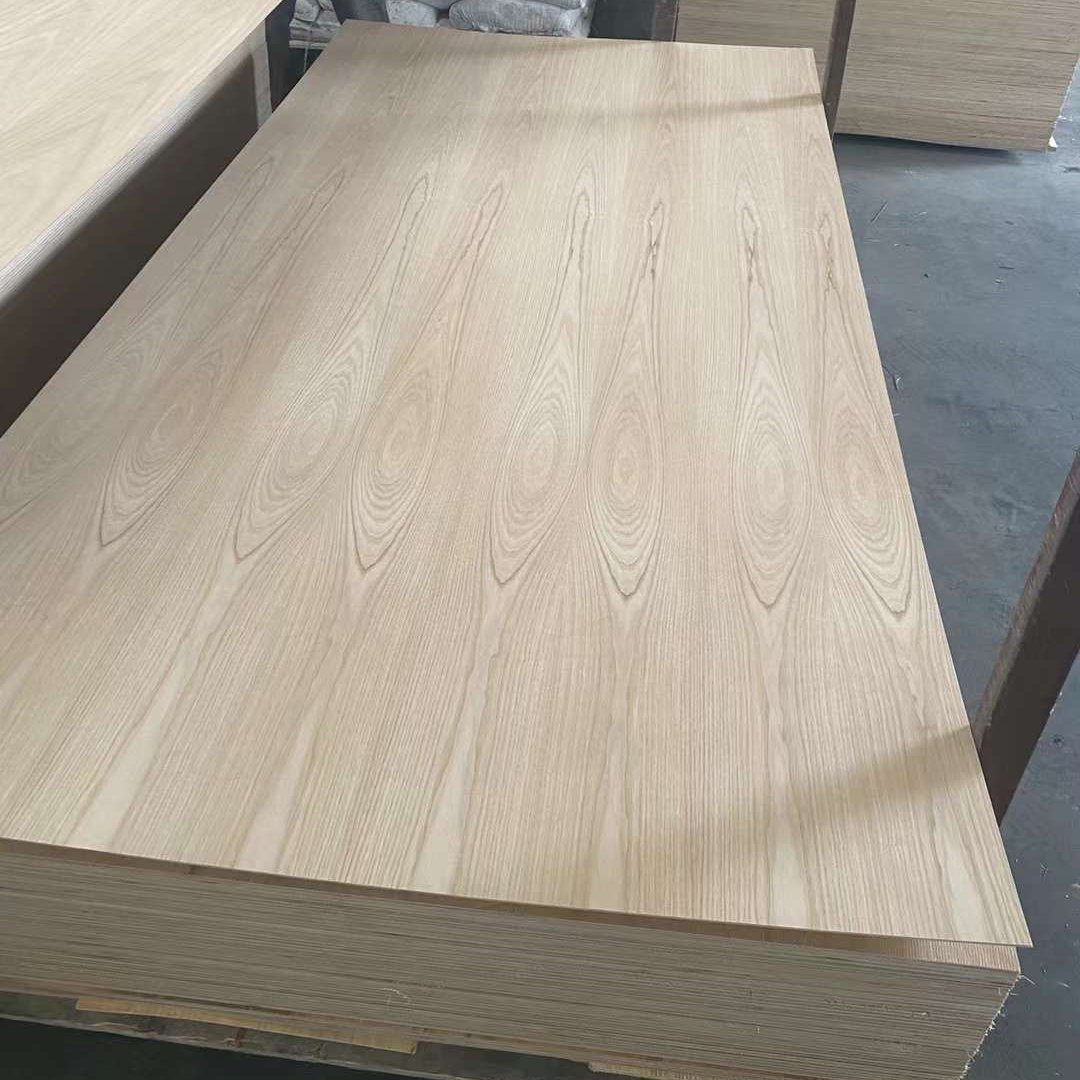
When a plywood panel meets a wall as a shelf, a ledger, or a frame edge, an f bracket for plywood often carries the load. The bracket, shaped like the letter F, hooks the panel to the framing and transfers weight into the structure instead of letting the sheet carry it alone.
This guide explains when to use F brackets, how to size them, how to mount them on a plywood edge, and which panel thickness suits the job.
An F bracket looks like an elongated letter turned sideways. One flange fixes to a wall or frame, and the outer hook catches the plywood edge, holding the panel square while transferring the load back to the structure.
Builders use the shape on shelving, bed slats, window seats, and desk cutouts where a clean edge meets a wall. The bracket removes dependence on thin fasteners driven into the end grain, which grip poorly and fail early.
Fasteners driven into the end grain of plywood hold far less than those through the face. The F bracket bypasses the problem by catching the edge from outside, so the panel carries weight along its full face instead of along weak end fibers.
Size the bracket to the load and the panel thickness. Measure the shelf depth, estimate the load it will carry, and choose a bracket flange long enough to fix into solid structure behind the panel.
| Job | Panel thickness | Mounting note |
|---|---|---|
| Light shelf | 12 mm and up | Flange into wall stud or ledger |
| Desk seat | 18 mm typical | Bracket at each bearing point |
| Storage platform | 18-24 mm | Reinforce edge with a lipping |
Use the table as a starting point, not a guarantee. Confirm the bracket rating and the framing below, because a strong bracket does nothing if the wall anchors are weak.
Galvanized or coated brackets resist rust in damp basements and garages, while powder-coated steel suits interior furniture. Match the bracket finish to the room: a decorative nickel face reads better in a kitchen than a raw galvanized hook.
Confirm the bracket rating in pounds or kilograms before purchase. A generic bracket rated for light shelves holds far less than an engineered hanger, and the label on the pack tells you which one you have.
Place brackets closer together as the planned load rises. A wide shelf with heavy boxes needs supports at intervals that keep the panel from sagging, and the bracket spacing usually follows the panel span table.
Mount the bracket square against the panel edge, align the hook to catch the full thickness, then fix the flange to the structure before locking the panel in place.
Work through the list in order. Mounting the panel first usually leaves no room to align the flange, and a skewed bracket transfers load unevenly.
Tighten the face screw firmly but avoid crushing the plywood edge. Overdriving strips the hole, so pre-drill a pilot hole into the panel edge for the hook screw.
The right screw pattern carries a bracket assembly from good to strong. Use a face screw into the panel at the hook, a flange screw into the framing, and pre-drilled pilot holes at every point that accepts wood.
Avoid driving screws into the end grain where a flange wraps a corner. Face the mounting edge with solid wood or lipping so every fastener bites into acceptable material.
Check that the bracket holes accept the screw sizes you plan to use and that the heads do not stand proud of the flange. Undercounting thread length or over-sizing heads weakens the connection quietly.
The panel behind the bracket matters as much as the bracket itself. A dense, stable sheet resists sagging between supports, while a soft or particle core may creep or break at the edge.
For shelves and load-bearing ledges, a structural panel with confirmed thickness holds screws and resists edge crushing. Commercial Plywood covers general load-bearing panels where edge behavior matters.
Where the surface needs a finished face for furniture-grade shelves, Melamine Plywood offers a smooth interior surface and a straightforward edge treatment. For painted flatwork around the assembly, MDF Board handles interior panels when exposure stays dry.
A lipped edge adds a solid strip where the panel meets the bracket, spreading the load across more wood and preventing the plies from crushing at the hook. Use lipping on seats, storage platforms, and any edge that carries steady weight.
Soft cores and thin sheets make poor bracket hosts. Confirm the thickness and the core before ordering, because the bracket only performs as well as the edge it grips.
Match the bracket pitch to the panel span the same way you size a joist layout. A narrower pitch splits the load across more bearing points, and the panel deflection drops with each extra bracket you add to the run.
Three errors repeat on job sites. Undersized brackets, anchors into nothing but drywall, and panels too thin for the span turn a simple assembly into a sagging fixture.
Check the substrate behind the wall finish. A bracket flange screwed into thin drywall alone holds little, so find the stud or add a ledger before trusting the mount.
Only if the bracket rating, the panel thickness, the spacing, and the wall anchors all support that load together. Confirm every link in the chain before trusting one hook.
Check the bracket screws after the first season of use. Settling and moisture cycles can loosen a previously tight mount, and a quick re-tighten keeps the assembly solid before problems appear.
Load the assembly before adding trim or paint. A quick test with the expected weight exposes weak anchors and over-tight screws while the panel is still easy to correct.
Engineer the assembly from the load downward. Choose the panel thickness for the span, size the bracket for the bearing reaction, and place supports where the studs exist instead of forcing the bracket to float.
Where studs sit off-pattern, add a ledger or blocking strip so brackets always fix into solid material. This small adjustment prevents the most common field failure: brackets screwed into drywall alone.
Hidden brackets suit clean shelving, while exposed decorative brackets read as a feature. Decide the look before ordering, because the visible choice changes the bracket style and finish.
Answers to the questions that come up when a panel meets a wall.
Short shelves with light loads can use simpler supports. Use F brackets where the load is heavy, the span is long, or the edge must stay square and clean.
The bracket avoids end-grain fasteners by catching the edge. Still drive any hook screw through the face of the panel for the best grip.
Match thickness to span and load. Light shelves work at 12 mm, but ledges and platforms usually step up to 18 mm or more with closer bracket spacing.
Start with two at the ends for light duty and add intermediate supports as the span or load grows. Follow the panel span table for real numbers.
MDF edges crush under point loads unless you use edge hardware or a solid lipping strip. Plywood edges hold screws better, so choose plywood for load-bearing bracket edges and keep MDF for painted flatwork.
Yes, with a pilot hole. Pre-drill the panel edge to full depth so the screw drives cleanly without crushing the plies.
Start with the load and span, size the bracket to the framing, then choose a panel thick enough to hold the edge. Mount the flange into solid structure, pre-drill the hook screw, and test before finishing. The F bracket does its job when the panel behind it does its part. Confirm the panel thickness and edge quality with HYY before you order, then match brackets to the measured span at assembly.