Our Location
5th Floor, Huake Center, Lanshan District, Linyi City, Shandong Province, China

5th Floor, Huake Center, Lanshan District, Linyi City, Shandong Province, China
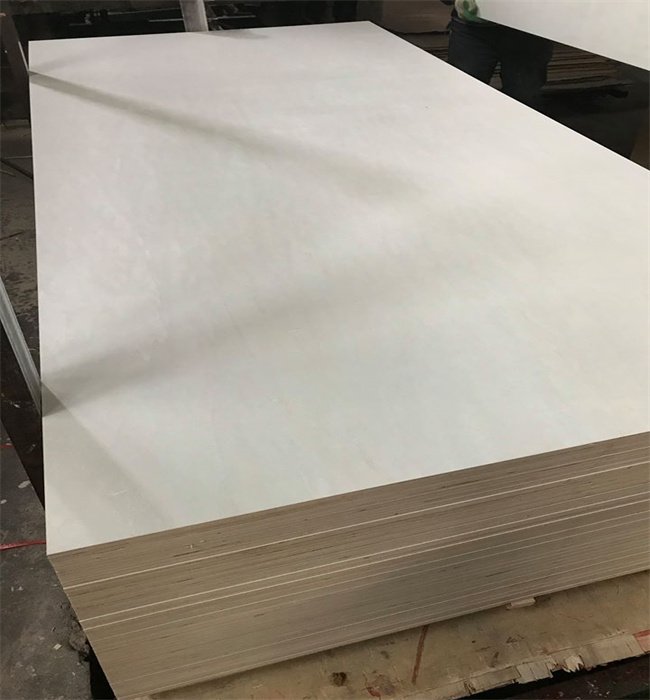
Buyers who search f 4 star plywood mean the Japanese formaldehyde class often listed as F4 star, F4star, or F4-star, used on indoor panels for homes and furniture. It is one of the tightest common emission grades, recognized by drawing a four-star stamp that appears on many residential plywood sheets.
This guide explains what the rating actually means, how testing works, and how buyers outside Japan can verify a four-star claim before ordering.
The Japanese agricultural standard, known as JAS, grades plywood by formaldehyde release using a star system. Four stars stand for the strictest common class, and the stamp signals a panel suited to occupied indoor spaces where low emission matters.
Manufacturers reach the class by using low-formaldehyde resins, controlling the adhesive in the core, and sealing surfaces where needed. The certificate and stamp travel with the sheet, so a buyer can inspect both before accepting a batch.
The rating was designed so a panel carrying the stamp could serve inside a home without raising formaldehyde questions. That origin is why hotels, schools, and furniture makers outside Japan now reference it as a shorthand for a verified low-emission sheet.
Still, the class is a ceiling, not a room guarantee. Installation ventilation and finishing decisions influence the real indoor air, so treat the stamp as one input among several.
Lower star counts allow more emission. A two-star panel suits limited interior use, three stars cover general indoor work in many settings, and four stars hold the tightest position in the family. Match the star to the occupancy instead of always buying the tightest.
Testing measures the formaldehyde a sample releases under controlled conditions. The Japanese method uses a desiccator test where observers measure the amount absorbed by water in a closed chamber over a set period.
| Star level | Relative emission | Typical interior use |
|---|---|---|
| F2 star | Higher | Limited, ventilated areas |
| F3 star | Moderate | General indoor panels |
| F4 star | Lowest common | Homes, tight rooms |
The table orders the classes for a first read. For the actual numbers and limits, go to the current test standard, because limits change when standards are revised.
Emission readings change with the age of the panel and the storage conditions before the test. Confirm that the certificate sample came from the same production route as your batch, and ask whether the mill retests per run or per season.
The desiccator test strips a small sample and records the emission under a fixed air volume and temperature. Results default to a stated test age, which is why certificates note when the panel was produced.
Testing laboratories follow the method precisely so that a number in one report can be compared with a number in another. That procedural consistency, more than any single value, lets importers trust the stamp.
A stamp on the sheet helps, but the certificate carries the details. Confirm that the batch number, the test date, and the mill match just as they would for any structural claim.
Global markets use several emission ladders, and the four-star class sits at the strict end next to the tightest local grades. Understanding where it sits helps buyers translate between a Japanese sheet and a local certificate.
The exact limits differ by test method, so always compare the reported value, not the visual name. A manufacturer can explain which local class its Japanese report is equivalent to under current rules.
Specifiers value it as an unambiguous paper target. Even where the local code accepts a different grade, the four-star report gives the design team one clean number to audit.
Import markets value the four-star rating because it gives an objective emission target on the paperwork. Architects, furniture makers, and prefab builders in other countries can specify the class even when they do not use JAS locally.
Confirm the certificate is valid in your market. Some codes accept the Japanese report directly; others want a local re-test or an equivalent local class.
Importers bridge the difference between local grades and the Japanese class by keeping both documents: the local certificate plus the JAS report when available. A panel that satisfies one code may not satisfy the other, so line them up side by side before the container ships.
Sealed bedrooms, kitchen islands, closet interiors, and prefab modules put panels close to occupants for years. Those applications justify the premium of a verified low-emission sheet.
Build the emission requirement into the request for quote, then ask the mill for the certificate before production. The paperwork should name the class, the method, the value, and the batch range it covers.
Ask about the resin system as well. A mill that switched to a low-formaldehyde resin can usually explain the change in the certificate history.
On arrival, compare the stamped batch on the sheets with the certificate and the packing list. Three mismatched documents mean the shipment does not carry the class you ordered.
Put the four-star claim to paper. Ask for the certificate, check the stamp, and confirm the batch matches the report that ships with the container.
Use the checklist as the acceptance gate, and keep the certificate with the project file. A sheet without a matching certificate is just a stamped face; demand the documentation before the money moves.
Keep the certificate in the project file. If the client later audits the emission claim, the report and the batch list prove the installed sheets carried the class.
Match the emission class to the room and the closing schedule. Strict grades suit tight occupied spaces; standard interior classes handle open commercial areas with good ventilation.
For furniture and cabinetry where the surface stays exposed, a smooth, pre-finished low-emission face saves finishing steps indoors. Melamine Plywood serves that route with a sealed decorative surface.
For engineered panels where the emission class and structural behavior must both sit on the order line, Commercial Plywood lets buyers specify the class before production. Where flat machined interior parts take paint, MDF Board handles the painted flatwork side.
Answers to the questions that decide whether a four-star sheet earns its place in the specification.
They both describe low emission, but they come from different standards with different test methods. Do not treat them as interchangeable without checking the certificate.
The class exists specifically for tight indoor spaces like homes. Follow the ventilation and closing guidance in your local code to get the intended benefit.
Only where the occupancy and the room justify it. Open, well-ventilated spaces work fine with a standard interior class, saving cost.
Match the JAS certificate, the batch stamp on the sheet, and the packing list. The trio closes the acceptance loop.
Each market defines its own method, so the same sheet can score differently in different labs. Compare reported values and methods, not just star counts, when you line up quotes.
A certificate applies to a production facility and a period, not to every sheet forever. Match the report date and batch to the shipment, and ask for an updated report when the mill changes the resin system.
Not by itself. Always pair the stamp with the certificate and the batch match, because labels can be printed where a genuine report is not.
Start with the room occupancy, set the emission target in the spec, then demand the certificate and batch match in the quote. Confirm your local code accepts the class, keep the report with the project file, and let the certificate become a habit seasoned into the supplier process rather than a one-time favour. A four-star label means little without the paperwork behind it, and the certificate settles the argument that a stamp alone never will. Verify the class claim and certification with HYY before you lock the order, then inspect the batch stamp at delivery against the certificate.