Our Location
5th Floor, Huake Center, Lanshan District, Linyi City, Shandong Province, China

5th Floor, Huake Center, Lanshan District, Linyi City, Shandong Province, China
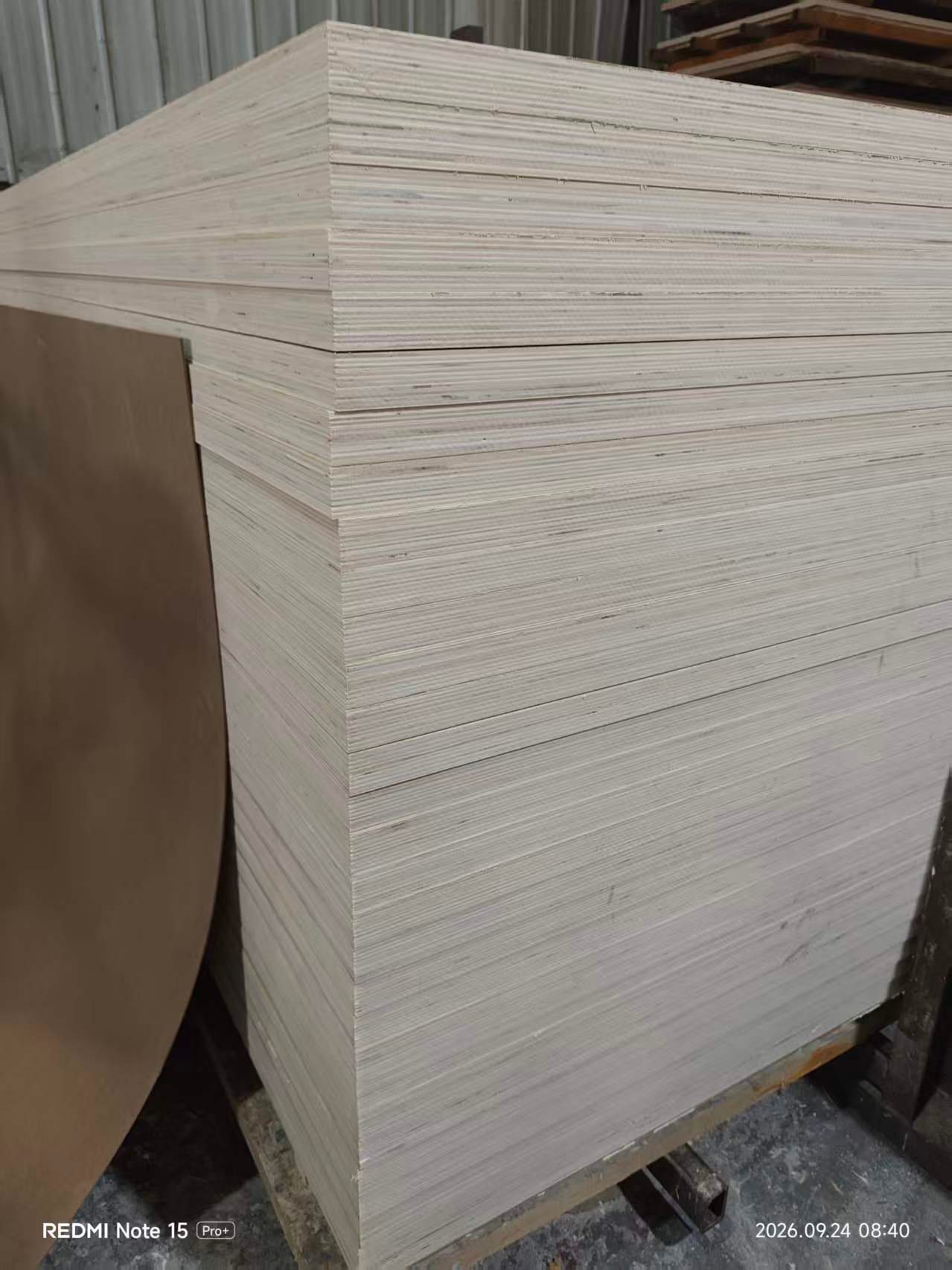
The best plywood to stain starts with face grade, not brand. A panel with a clean, even face accepts color smoothly while a rough or patched face splotches no matter how carefully you apply it. This guide ranks the realistic candidates, explains why grade decides the finish, and gives the prep sequence that keeps a stained surface even.
Plywood grades describe the surface veneer, and the surface is exactly what stain touches. A smooth face with few patches takes color evenly; a face full of knots and filler marks absorbs stain at different rates and shows every repair.
The finish makes the grade count. Translucent colors lay on the face and show every subsurface fault, while a solid paint film covers most blemishes. Buyers who want the natural look should never down-spec the face to save a few dollars per sheet.
Look for an A or B face on the side you intend to stain. The face should sand flat with tight grain and minimal patches. On the hidden side, most buyers accept a lower grade to control cost.
An A face allows almost no defects and stains beautifully. A B face permits minor repairs and small knots that a skilled prep can smooth over. C and D faces carry knots, splits, and patches that telegraph through the finish.
Buyers weigh a handful of panels when a stained look matters. The comparison below ranks them by how evenly they take stain.
| Panel | Stain result | Best suited for |
|---|---|---|
| Birch plywood | Clear, even, premium | Furniture, cabinetry, trim |
| Pine plywood, A/B face | Even but grain patterns vary | Shelving, interior panels |
| General commercial plywood | Even on a smooth face | Painted or semi-opaque stain |
| MDF | Blotchy without sealer | Paint, not stain |
| Melamine-coated board | Does not absorb stain | Pre-finished surfaces |
Read the table as a decision tool: pick the panel class first, then confirm the actual face grade on the delivered sheet. A low-grade face defeats even the best panel species.
Sample boards earn their keep here. A supplier may quote two face grades for the same species, and the only honest way to choose is to stain a swatch of each. Compare the blotch pattern, the color depth, and how the grain reads before you lock the order.
Species sets the grain pattern, grade sets the clarity. Birch stains with barely any blotch, while pine shows wide earlywood bands that darken differently. Choose a species for its look, then insist on a clean face.
Match the stained panel to the job it must survive. Furniture and visible cabinetry deserve a clean-faced panel; workshop and utility builds tolerate more character.
For interior pieces where a smooth, paintable or stain-ready face matters, Commercial Plywood gives buyers a reliable structural panel with a face you can specify at order time. Confirm the face grade when you request the quote.
Where the design leans toward paint instead of translucent stain, panels with a smooth sealed face skip the finishing step. Melamine Plywood suits that route directly and resists stains on the surface.
Decide the finish before you buy the panel. A translucent stain rewards a clean A or B face, while an opaque paint job tolerates a lower grade and still looks flat and even. Translucent buyers should pay for the face; painted projects can spend on durability instead.
Semigloss and satin top coats change how the grain reads. Test the exact top coat on your scrap as well, because the sheen shifts the color more than most buyers expect.
MDF paints cleanly and machines crisp edges, so it fits painted assemblies. Staining works only with a wood-grain sealer first; skip it when a translucent favor is the goal. MDF Board belongs in the painted side of the spec.
Prep decides more than the product. A clean, sealed surface takes stain evenly; a dry, fuzzy surface drinks color in patches. Follow the sequence in order.
The scrap test catches two problems at once: how the sheet absorbs color and how the grain reads through a translucent coat.
Lighting changes how a stained face reads. Check the finish under the same light the piece will live in, because warm lamps pull a different tone than a daylight bench. A quick test under both lights settles the choice before production.
Humidity changes how the panel behaves at the finishing bench. Store sheets flat in the work room for a couple of days so the face stabilizes, then sand and stain. This small habit prevents the odd absorption shifts that show up as patchy color.
Keep panels flat, dry, and off the concrete floor before finishing. A sheet that takes on moisture sands fuzzy and drinks stain unevenly, so let the panel acclimate to the room for a few days before prep. Plywood edges drink stain fast because they expose end grain. Seal edges before applying the face finish, or darken them deliberately to match the surface tone.
Most stained-plywood failures trace to three habits. Skipping the scrap test, staining over a rough face, and leaving moisture in the panel all produce blotchy results that blame the product instead of the process.
Buyers also mistake face sanding quality for the grade. A supplier can polish a low-grade face until it looks clean, but patches and filler appear the moment stain hits. Confirm the grade on the packing slip, not only by eye.
Adhesive class governs weather resistance, not the face that stain touches. A panel can carry an exterior bond and still sport a patchy face. Grade the visible side separately from the bond.
Answers to the questions that decide most orders.
A or B on the visible side. Lower grades carry knots and patches that show through translucent stain, so spend the difference on the face rather than the species.
Yes, when you specify and confirm a smooth face. Test the actual sheet first, because face quality varies by run and supplier.
Uneven absorption causes blotches. A pre-stain conditioner, fine sanding, and a scrap test fix most cases before the finish goes on the panel.
Usually, if the piece stays visible. Birch takes translucent colors evenly and minimizes blotch, so the premium pays off where finish quality sells the project.
Sand back to a clean surface, apply a pre-stain conditioner, and restain a thin coat in stages. Blotches come from uneven absorption, and the conditioner equalizes the drinking rate across the face.
Pre-finished surfaces save labor and stay consistent across a batch. Choose them when the design needs a uniform tint and speed matters more than a custom hand-mixed color.
Only with a wood-grain sealer and a deliberate technique. For a clean translucent look, a smooth-faced plywood beats MDF every time.
Define the finish first, then the face. For translucent stain, choose a clean A or B face and test the actual sheet before committing. For painted surfaces, a sealed melamine face or MDF saves finishing time.
Warranty and complaint handling matter less for stain work than for structural panels, but a clean sheet still deserves a clear acceptance check. Verify the grade stamp, scan both faces, and reject sheets with filled patches or grit embedded in the face before finishing lines.
Confirm the face grade, bond class, and sheet cost on the same line, and compare quotes on matching specifications.
Bound the expectations in the quote: ask for the face grade on paper and confirm the bond class in writing. A short order sheet that names grade, thickness, and finish route prevents back-and-forth at delivery.
Order samples from both routes before committing, verify the face grade at delivery, and keep a little extra from the same lot for touch-ups. A reliable panel portfolio covers both routes; discuss the face grade and finish expectations with HYY before you reserve the order.