Our Location
5th Floor, Huake Center, Lanshan District, Linyi City, Shandong Province, China

5th Floor, Huake Center, Lanshan District, Linyi City, Shandong Province, China
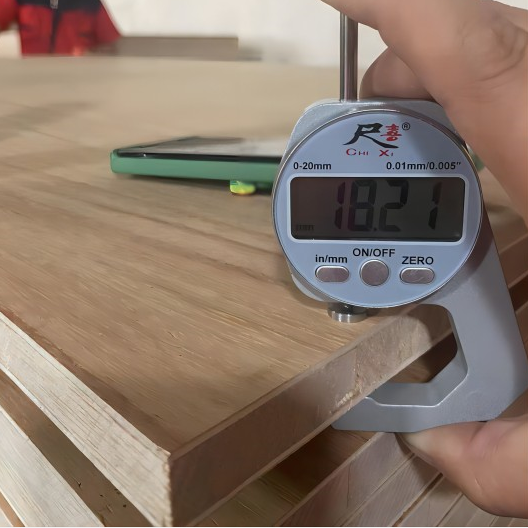
Buyers searching for b c plywood often mean BC plywood, the common one-side-finish panel that pairs a B face with a C face. The label describes the veneer grades, so the sheet carries a clean visible side and a rougher structural side for hidden work. This guide explains what that combination does well, where it falls short, and how to specify it correctly for a first order.
Plywood grading describes the veneer faces, not the strength of the panel. A B face allows minor repairs and small defects, which makes it smooth enough for paint and most visible work. A C face permits tight knots and larger patches, so it works best where appearance does not matter. BC plywood pairs those two faces in one sheet.
Builders use the B side for panels that will be seen after assembly. It sands flat, accepts paint evenly, and hides most surface imperfections under a coat of finish. The remaining minor defects rarely affect the structural rating of the sheet.
The C side faces walls, framing, and unoccupied space. It tolerates knots and patches that a visible face would reject, which keeps the sheet affordable while preserving strength. The contrast between the two faces is what makes BC a value choice in structural work.
| Grade | Face appearance | Typical destination |
|---|---|---|
| B | Minor repairs, small defects | Visible, painted surfaces |
| C | Tight knots, larger patches | Structural or hidden faces |
| BC combination | Clean over rough | One-sided finish jobs |
That table compresses the concept. The grade pair matters because it tells you which side to face outward before you cut a single panel.
BC plywood earns its place wherever one face needs to look finished and the other side hides. Sheathing, subfloor, temporary paneling, and industrial crates all use the B/C pairing to save money without losing the clean side.
Most structural panels go in with the B face exposed and the C face against framing or insulation. The combination keeps the visible side paintable while the hidden side handles the load. Contractors choose BC when the drawing requires a presentable interior face.
Sign backs, booth walls, and display partitions often need only one good side. BC delivers that side without paying for an A face on a surface nobody sees, which makes it a standard choice in commercial fit-out.
In practice the two faces create a clear install rule: mark the B face before stacking, and cut so the clean side lands where the spec calls for a painted or visible surface.
Buyers meeting BC for the first time usually compare it against the two grades they already know. AC puts an A face on one side and a C face on the other, BC uses the next grade down, and CDX describes a C/D combination made for exterior service.
In practical terms, AC costs more and looks cleaner than BC, while CDX runs cheaper and looks rougher. The decision comes down to how visible the finished face must be against the price you can justify for a hidden side.
For paint-ready interior work, BC covers most cases. For a premium finish, step up to AC. For framing that gets covered anyway, CDX saves money. Write the grade on the order so the mill delivers the exact pairing you priced.
Manufacturers also route BC panels into export packing and temporary hoarding, where one clean face beats an all-rough finish. The grade’s flexibility keeps it in stock at most distributors, which shortens lead times for regular orders.
Freight and packing still move the delivered price. BC panels stack flat and ship efficiently, so confirm the packing detail and container fill in the quotation line before comparing only sheet prices.
BC tells you the faces but not the bond class. A structural sheet with exterior glue handles weather and humidity, while an interior bond suits dry indoor work. Confirm the bond on the same line as the grade.
Panel stamps carry the grade code on the edge. A quick scan of the stamp before unloading confirms faces, thickness, and bond class without breaking open every bundle.
That list turns a vague sheet order into a workable spec. Suppliers quote correctly when the order names grade, bond, and thickness together.
BC fits the value end of a panel portfolio, but other grades cover the jobs this face pairing cannot. Matching the product to the application keeps the quote honest and the build stable.
For consistent multi-ply strength in framing, sheathing, and general building, Commercial Plywood supplies a dependable structural panel where the face class is confirmed on the order line.
When a cabinet or wall must show a finished face without paint, Melamine Plywood brings a decorative overlay that saves a finishing step. For flat painted panels, MDF Board machines crisp edges for interior use.
Where concrete forms need repeated wet stripping, Film Faced Plywood outperforms plain B/C panels, so keep film faces in the formwork section of the spec.
The first error is assuming BC is a strength rating. It describes faces, so a thin sheet can carry the label and still flex under load. Size the panel for the span first, then set the grade.
The static loads on a BC panel matter less than the span. A one-side finish sheet still follows the same joist spacing and deflection rules as any structural panel, so confirm the schedule before cutting parts.
The second mistake is mismatching faces on site. A crew that installs with the C face outward wastes the clean side and creates finish work nobody planned for. Mark the B face before cutting.
Check the grade stamp, measure thickness, and look for the expected face on both sides. A quick inspection prevents a load of mismatched panels from entering the schedule.
Climate matters at the job site as much as the mill. BC panels stored flat and dry hold their faces, while damp storage lets the C side pick up mold that spreads across the sheet. Protect the bundle until the crew starts cutting.
Answers to the questions this grade raises most often.
Grade does not set strength; thickness and construction do.
The grading system keeps buyers honest about what they are paying for. A sheet labeled only by thickness tells you nothing about the visible side, while the B/C name gives you the full picture before the panel reaches the job.
A BC sheet of appropriate thickness works in structural spans when the bond and ply count match the job.Yes. The B face sands even and accepts paint well, which is exactly why one-side finish jobs favor BC over rougher grades.
CDX pairs C and D faces for exterior or economy service, while BC puts a wider gap between the clean face and the rough face. BC suits one-sided visible work better.
Generally yes, because the B face costs less to produce than an A face. The price gap shows up clearly when you compare matching thicknesses on one quote.
9, 12, and 18 mm cover most structural and one-sided finish work. Confirm the millimeter figure because nominal labels differ between markets.
Film faces belong to formwork grades, not the standard B/C pairing. Match the product to the exposure rather than forcing one panel to cover every job.
Face the B side outward wherever the panel will be seen. Keep the C side hidden against framing, insulation, or an unoccupied space.
Match every panel to the exposure and the span it must carry, and the grade choice stays simple.
Name the grade pairing, the thickness, and the bond class on every line. Start with the structural span, then set the faces, and compare quotes on matching specifications. For one-sided finish and value structural work, BC covers the field between premium AC and economy CDX. Start a stable sourcing conversation with HYY and review the full panel range before you commit a container.