Our Location
5th Floor, Huake Center, Lanshan District, Linyi City, Shandong Province, China

5th Floor, Huake Center, Lanshan District, Linyi City, Shandong Province, China
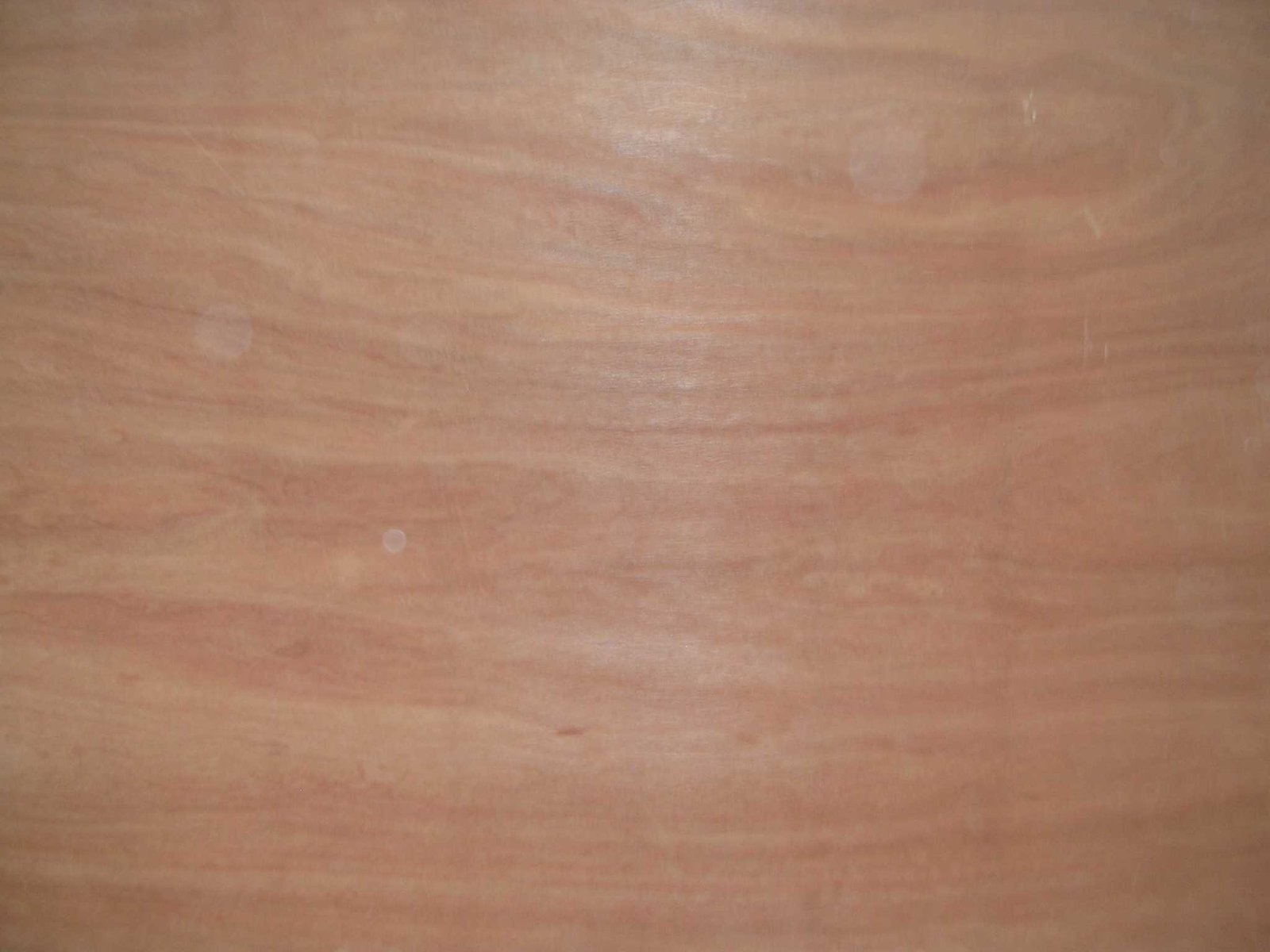
Plenty of contractors search for quant 1 w plywood when a drawing calls out a half-inch sheet. The code means 1/2-inch plywood, often sold as 15/32, and it sits between light paneling and structural decking in performance. This guide explains what this thickness does well, where it falls short, and how to specify it correctly for a first order.
Half-inch panels appear in nearly every framing package, yet buyers treat the thickness as interchangeable across brands. The truth is that construction, adhesive, and face grade vary more than the nominal size suggests.
Half-inch plywood measures 15/32 inch in a sanded sheet because the finish removes a fraction of the stock. The framing trade uses it for subfloor, wall sheathing, and general paneling, and the same sheet covers furniture backs, boxes, and cabinet work. Two factors define how it performs: the number of plies and the glue bond.
More plies mean fewer surface voids and less face checking. Standard half-inch panels use three to five plies depending on the mill, and the difference shows when the panel carries load or faces moisture. Ask the supplier for the ply count and core species before comparing prices between sources.
Veneer thickness matters too. Some mills build the same 15/32 sheet from fewer, thicker veneers, which cuts cost but raises the chance of core gaps and face checks. Denser veneer stacks also machine differently, so router bits dull faster on cheaper cores.
Buyers can choose sanded utility sheets for cabinet backs and partitions or unsanded structural sheets for framing. Sanded faces cost more, while unsanded panels grip floor adhesive better. Identify the use case first, because the wrong face wastes money on one side and underperforms on the other.
| Use | Best 1/2 face type | Bond class |
|---|---|---|
| Subfloor underlayment | Unbanded structural | Exterior or better |
| Wall paneling | Sanded | Interior or exterior |
| Furniture backs | Sanded utility | Interior |
| Dock and wet framing | Sanded exterior | Exterior waterproof |
That table does not just list uses; it shows the decision point in every quote. Specify the face and bond in the order line, otherwise the supplier defaults to the cheapest option that still meets the size.
Half-inch plywood spans framing members comfortably but finds its limit under heavy point loads and wide joist spacing. Builders typically restrict this thickness to 16-inch on-center framing for subfloor work, and the same restraint applies to shelving and staging.
Consequently, a project with equipment, people, or stored material on top should step up to 3/4 inch. The difference in price per sheet is smaller than the cost of a failed span, so engineers frequently move up a thickness when the load repeats daily.
On shelves and worktops the same logic applies. A half-inch panel holds a modest load across short spans, but a sagging shelf draws attention in any finished room. Specify a support every 16 to 24 inches or step up in thickness for books and tools.
Cabinets, built-ins, and wall paneling see the biggest benefit where weight matters. A half-inch sheet cuts and machines cleanly, and the thinner profile keeps finished products light. Makers pair this panel with Commercial Plywood for structure and a decorative Melamine Plywood face when the outside must look finished without extra painting.
Priming and painting behave differently on half-inch plywood than on MDF. The veneer face accepts paint after a light sand, while end grain drinks primer at cut edges. Budget for edge sealing in the quote so the finished job looks uniform.
Half-inch exterior plywood works for sheds, gate frames, and sign boards when the bond class matches the exposure. Interior glue fails when dampness sits on the panel, so the contract must state an exterior or waterproof bond for anything outside or near moisture.
Concrete formwork uses Film Faced Plywood because phenolic film resists concrete and strips clean after hours of wet service. Thinner panels suit light, curved, or one-time forms. Where you need a rigid flat structural panel for wet stripping, film faces outperform plain sanded exterior.
Edge sealing decides the lifespan of an exterior half-inch panel more than the face does. Coat every cut edge with a compatible sealer before installation, because exposed end grain takes in moisture first and starts rot where no one sees it.
For dry interior storage where surface finish matters less, a denser flat panel like MDF Board machines tighter edges. MDF does not face sustained water, so keep it inside.
Half-inch panels vary in face grade, moisture content, and thickness tolerance. A 15/32 sheet runs thinner than a true 1/2 and can arrive at 11.5 to 12 mm. Confirm the actual dimension in millimeters on the packing list, because cabinets and dadoes tolerate few surprises.
Standard face grades walk a familiar ladder. A or B faces suit visible paneling, C faces handle structural covers, and CDX packs the workhorse framing sheet. The grade does not change the structural capacity; it changes appearance and price.
A short decision table speeds the selection for most buyers.
| Job | Recommendation | Bond class |
|---|---|---|
| Light subfloor | 1/2 structural sheathing | Exterior |
| Cabinet backs | 1/2 sanded utility | Interior |
| Wet framing | 1/2 sanded exterior | Waterproof |
| Concrete forms | Film faced panel | Exterior |
Buyers who run this list before paying avoid the classic mismatch: a cheap half-inch sheet with an interior bond that delaminates within months of use.
The first mistake is assuming 1/2 plywood replaces 3/4 in heavy work. It does not, and the panel flexes under weight it was never designed to carry. The second error is buying sanded faces for structural spans where grip and cost matter more than finish.
The third mistake appears at delivery. Panels stored flat on concrete pull moisture from the slab, warp, and reject paint. Raise the stack on dunnage, keep it under cover, and lay heavy panels flat until the job uses them.
Beyond the checklist above, record these facts from the inspection.
Break the quotation into size, face, bond, and tolerance lines. When every component appears on paper, price comparisons become genuine and the order arrives as specified rather than as assumed.
These are the questions buyers raise most when selecting half-inch panels.
For framed spacing up to 16 inches on center, the panel works for standard residential loads. Wider spacing or heavy appliances require a thicker structural sheet.
Sanded panels measure about 15/32 inch, roughly 11.9 to 12 mm, because sanding reduces the nominal thickness. Confirm the millimeter figure on your spec.
It can, but only with an exterior or waterproof bond class and protected edges. Interior-grade sheets fail quickly in sustained weather.
Shelving wants support at 16 to 24 inches and heavier rating when tools land on it. For regular tool loads, step up to 3/4 or add stiffening beneath the span.
A standard 1220 x 2440 mm half-inch softwood sheet runs roughly 15 to 17 kg depending on species and moisture. Weight matters for handling, freight, and shelf loads.
Prices move with timber markets and freight routes, so a fixed number misleads. Compare unit per cubic meter or per sheet between matching specs rather than chasing a single figure.
No. OSB uses layered strands and a wax binder, while plywood builds from veneer plies. Plywood resists moisture better at the edges and machines more predictably.
Write the specification in this order: select the face, set the bond class for the exposure, confirm ply count, agree the millimeter thickness, then compare quotes on matching lines.
Moisture content travels with the panel and shifts after arrival. A sheet measured at the mill can gain or lose a point during sea freight, which changes dimension and warp risk. Request the moisture reading on the packing list, then recheck after the container opens.
For half-inch plywood that sequence turns a basic panel order into a reliable part of the build. When the drawing says 1/2 and the job stays dry, keep it simple; for inside work start with
Freight and packing drive the delivered cost as much as the mill price does. Half-inch sheets stack flat and travel efficiently, so the packing method and container fill decide how much of the cube you pay for. Confirm the packing detail in the quotation line.
HYY for panel sourcing that matches the spec.