Our Location
5th Floor, Huake Center, Lanshan District, Linyi City, Shandong Province, China

5th Floor, Huake Center, Lanshan District, Linyi City, Shandong Province, China
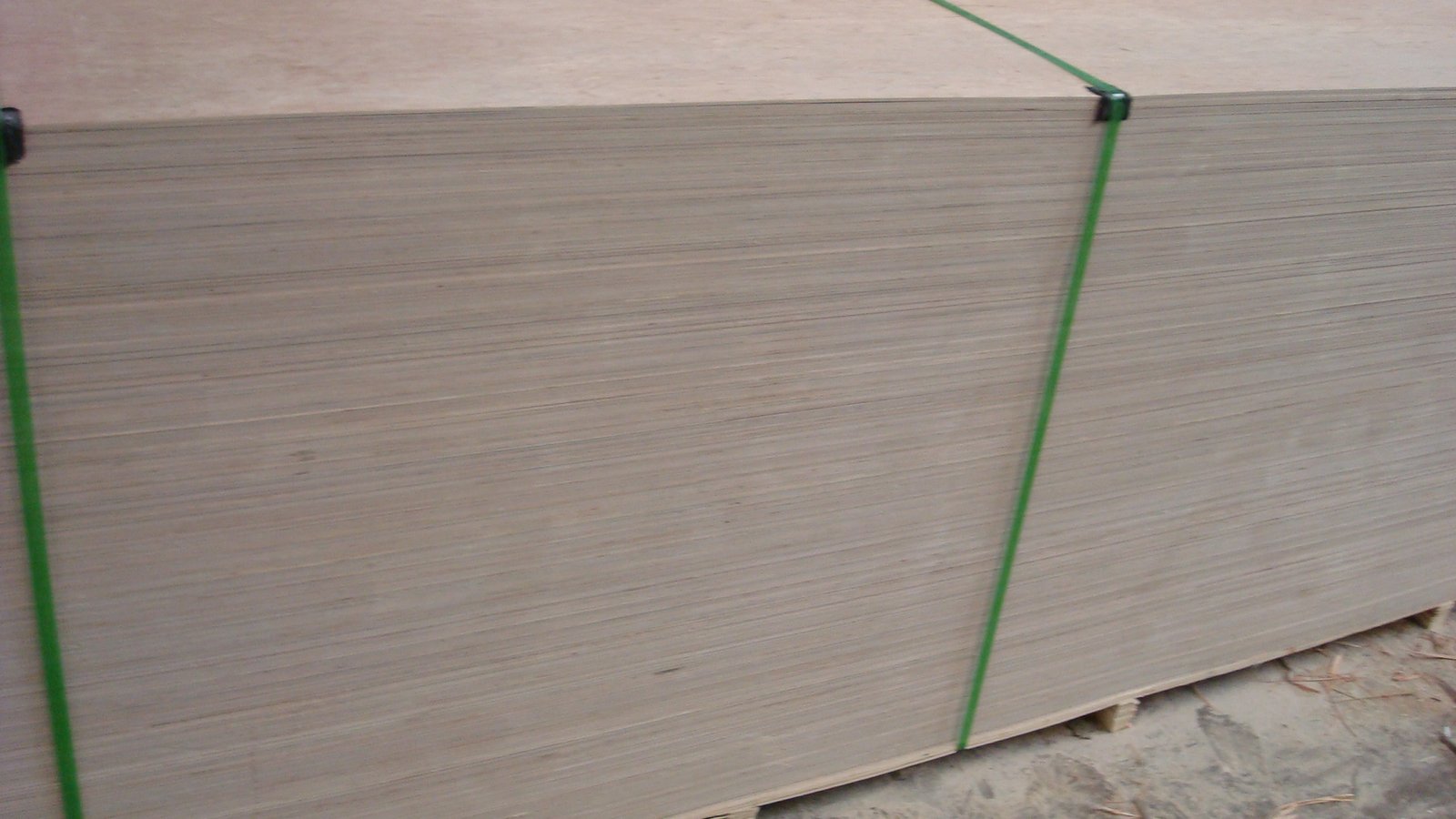
A search for plywood y madera usually comes from a buyer weighing two materials that look similar at first glance and behave nothing alike once the saw starts. Solid wood carries the grain of one tree and moves with it, while plywood carries cross-banded plies that cancel that movement and hold a shape across the seasons. The choice follows the job rather than a hierarchy.
This guide covers what separates the two materials, how they compare on strength and stability, how each machines and finishes, where moisture decides the winner, and how to pick the right material for the build in front of you.
The construction difference explains every behavior that follows, and it starts at the log rather than the bench.
Plywood builds up from veneers peeled from a log and cross-banded so the grain of each layer runs at right angles to the one beneath it. The cross-banding restrains movement and gives the panel strength in two directions, which is why a thin sheet stays flat and holds a screw across its thickness. The veneers also leave the panel lighter than a solid board of the same size, which matters on large runs.
Solid timber carries the grain of a single board, which gives it a continuous fiber that machines cleanly and finishes with the character of the tree. The same grain direction means the board moves with the seasons across its width, and that movement shows up as a gap, a cup, or a split in a rigid assembly. Buyers who work solid wood learn to allow for the movement rather than fight it.
A plywood face carries the grain and the knots of a veneer, while a solid wood face carries the full character of the board, including the figure and the color variation of the tree. The difference sets the finish plan: plywood earns a stain or a clear coat that reads the veneer, while solid wood earns the same finishes with the depth that only a single board can carry. Buyers who want the wood to speak choose solid; buyers who want it to stay flat choose plywood.
Load and movement separate the materials more than price does, and three comparisons settle most decisions.
| Property | Plywood | Solid wood |
|---|---|---|
| Stiffness across span | High, cross-banded | Directional, strong along grain |
| Movement with humidity | Restrained by plies | Moves across the grain |
| Fastener holding | Strong in the plies | Strong along the grain |
| Weight per sheet | Lighter | Heavier |
A plywood panel stays flat through a wet season and a dry one because the plies pull against each other, while a solid board cups and warps with the change in humidity. The stability matters most on large flat surfaces such as doors, panels, and tabletops, where a single board would move enough to crack a finish. Buyers who need a flat surface across a wide span choose plywood even when solid wood would look better.
Solid wood carries load better along the grain than across it, which is why a beam made from solid timber works in one direction and fails in another. Plywood carries load in both directions because the plies run both ways, which makes it the better panel for a shelf or a floor that carries weight from more than one angle. Match the material to the load path rather than the look.
The router and the spray gun each prefer a different material, and the finish plan should drive the choice as much as the structure does.
A solid board laid out grain-first yields more parts than the same board laid out for appearance alone, because the grain direction sets the strength of each part. The cut list that follows the grain wastes less and holds its shape better than the list that follows the drawing shape. The layout costs a sketch and saves a board.
A sharp bit cutting solid wood leaves a clean edge that needs little sanding, and the grain that meets the cutter decides the finish rather than fighting it. The same cut in plywood tears across the grain and leaves a fuzzy edge that needs sanding before the finish goes on. A build that leans on shaped edges and profiles earns solid wood for the machining alone.
A finish applied to plywood stays flat because the panel stays flat, while the same finish on solid wood cracks along the grain as the board moves. Buyers who want a painted or film finish on a wide surface choose plywood for the stability, then let the finish carry the look. Solid wood earns the clear coat that shows the grain rather than hiding it.
Water separates the materials more decisively than any other factor, and the exposure class of the job should settle the choice before the price does.
Plywood absorbs moisture at the cut edge and swells unevenly across the plies, yet the cross-banded construction holds the panel flat enough to recover after drying. A moisture-rated bond extends that tolerance to damp rooms and wet service, which is why exterior work and kitchen carcasses specify plywood. Seal every cut edge so the moisture change stays small.
Solid wood swells across the grain in a wet season and shrinks in a dry one, and a rigid assembly that denies the movement cracks at the joint. A solid wood door that meets a damp room swells at the stiles and binds at the frame long before the finish fails. Buyers who build with solid wood in damp conditions allow the movement in the joinery rather than fighting it.
The final choice reduces to four questions, and each one points at a different material.
A large flat surface that must stay true through the seasons earns plywood for the stability the plies provide. Solid wood suits parts where the movement is part of the design.
A shelf, a floor, or a structural panel that carries weight from several angles earns plywood for the cross-banded strength. Solid wood suits parts that carry load along the grain.
A part that shows the grain under a clear coat earns solid wood for the depth that only a single board carries. Plywood suits parts that take a stain or a paint film.
A part that meets a damp room or an exterior edge earns a moisture-rated plywood with sealed edges. Solid wood stays in the dry interior where the movement can be allowed.
Answers builders raise before the order.
Plywood, because the cross-banded plies cancel the movement that solid wood carries across its grain. The stability matters most on large flat surfaces.
Solid wood under a clear coat that shows the grain, plywood under a stain or a paint film that hides the movement. Match the material to the finish the drawing names.
A veneer face can read as solid wood at arm’s length, yet the edge and the end grain give it away on close inspection. Buyers who want the wood to speak choose solid.
A moisture-rated plywood with sealed edges, because solid wood moves with the seasons and cracks rigid assemblies. Allow the movement in solid wood joinery instead.
Plywood, because the veneers carry less mass than a solid board of the same size. The weight matters on large runs and on parts a single person must lift.
The material choice follows the job rather than a hierarchy, and the four questions above settle most orders before the sheets reach the saw. Confirm the face, the bond, and the certificate against the drawing before the order ships, then check the delivered sheets at the dock. For panels that carry load and finish, Commercial Plywood covers the sanded range, Melamine Plywood arrives factory-finished, and MDF Board serves painted trim. Confirm the core, the face, and the certificate with HYY before the order goes out, then check the delivered sheets at the dock.