Our Location
5th Floor, Huake Center, Lanshan District, Linyi City, Shandong Province, China

5th Floor, Huake Center, Lanshan District, Linyi City, Shandong Province, China
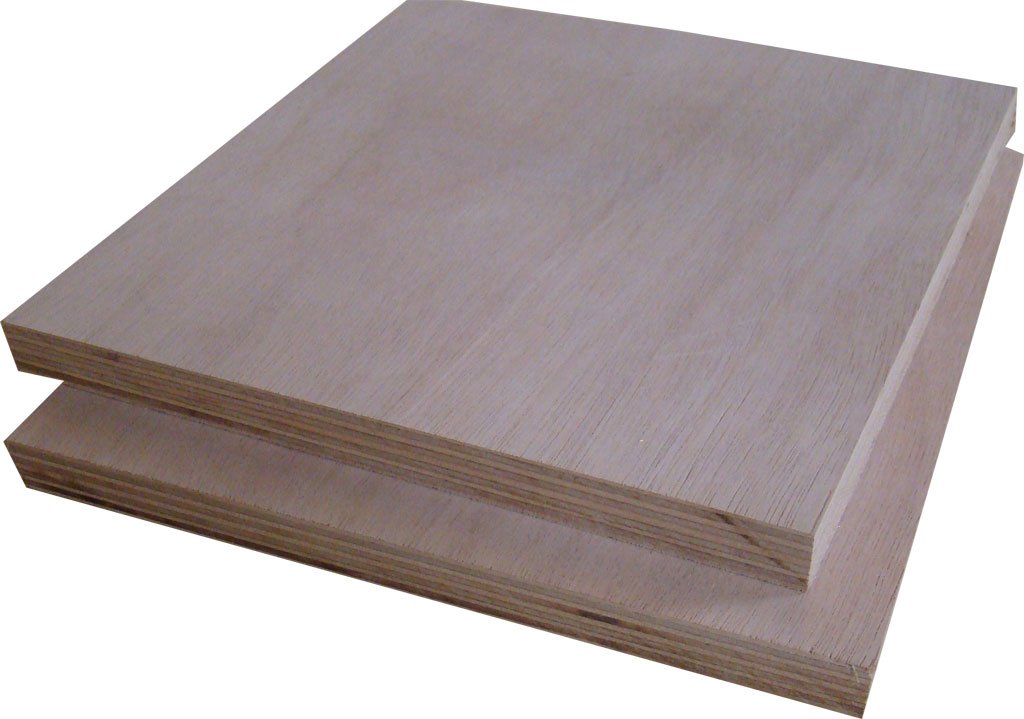
A buyer who searches types plywood soon meets a list long enough to stall an order, because the families stack by species, core, face, bond, and treatment until the names blur. The list settles quickly once the buyer sorts the panels by the job rather than by the catalog, because each job asks only a few questions of the sheet. This guide sorts the families by what they do, then shows how to pick the one the drawing names.
This guide maps the panel families, explains how core and face set them apart, groups them by use, and shows where two families overlap.
The fastest way through the list sorts the panels by the job rather than the name, because the job sets the questions the sheet must answer.
A painted panel takes a factory primer or a shop coat while a stained panel shows the grain, so the finish decides whether the buyer chases a clear face at all. Read the coat before the veneer.
A sheathing panel answers a span and an exposure question, so the stamp on the sheet carries more weight than the species. Read the span class against the joist spacing before the family matters.
A part that carries a screw again and again asks for a core that holds a thread, while a glued part allows a softer sheet. Match the core to the fastening the build uses.
A furniture panel answers a face and a finish question, so the veneer grade on the show side drives the choice. Read the face ladder before the core.
A trim panel shows a cut edge along a door or a window, so the family that machines cleanly and holds a painted edge earns the job. Read the edge the panel will show before the core.
A cabinet panel answers a stability question, so the core that holds its shape through the seasons earns the job. Match the core to the door the panel must carry.
Two panels can share a thickness and still belong to different families, because the core and the face set them apart.
| Family | Core | Typical job |
|---|---|---|
| Commercial | Mixed hardwood | General build |
| Marine | Hardwood, exterior glue | Wet service |
| MDF | Engineered fiber | Cabinets, trim |
A cross-banded hardwood core holds its shape better than a softer core at the same thickness, so the core decides how the panel behaves through a season. Match the core to the service the panel meets.
A thin panel serves a drawer bottom while a heavy sheet carries a bench top, so the thickness follows the part the panel becomes. Match the caliper to the part before the family.
A clear veneer face takes a stain and a clear coat, while an engineered face takes paint and laminate, so the face decides what the installer can do with the panel. Read the face before the finish is chosen.
A marine family adds a void standard that limits the gaps inside the plies, so a panel that meets water holds fewer soft spots than a plain exterior sheet. Read the void line when the panel carries a wet load.
An exterior bond lets the panel meet weather while an interior bond keeps it inside, so the bond decides where the sheet can serve. Match the bond to the exposure the drawing shows.
Each family answers a different set of questions, so a buyer who knows the family knows which lines to fix.
A sanded panel carries a finished face for a visible surface, while a sheathing panel carries a span stamp for a covered one. The two split the moment the face meets the eye or disappears under a build.
A boat hull or a sign face asks for a marine or exterior panel at the top of the durability ladder, so the family carries a bond and a core the interior panels never meet. Match the family to the exposure the work shows.
A panel glued for exterior service resists weather, while a marine panel adds a core and a void standard for wet service, so the two climb the durability ladder together. Read the bond and the void standard when the panel meets water.
A particleboard panel presses chips into a stable sheet for a hidden or a laminate-covered surface, so it serves a cabinet interior where the face stays out of view. Match the engineered panel to the surface it covers.
An MDF or a particleboard panel presses fiber or chips into a stable sheet, which machines cleanly for cabinets and trim. Match the engineered panel to the hidden or painted surface it serves.
The service the panel meets decides the family before the price enters the conversation.
A wet service removes the interior panels at once, so the list falls to a handful before the buyer weighs the price. Read the service first, then shop the short list.
A stain finish removes the painted panels, so the list falls to the clear-face families once the finish is fixed. Match the finish before the quote goes out.
A wall near a hazard adds a fire class that removes the untested families at once, so the treatment line closes the choice after the span line speaks. Read the fire class before the order ships.
A subfloor that carries a load removes the furniture families, so the span stamp closes the choice once the service and the finish have spoken. Confirm the stamp before the order ships.
Some jobs sit between two families, so the buyer should know where the overlap falls.
A cabinet and a shelf can share a panel when the face serves the eye and the core holds the shape, so the family that carries both earns the job. Confirm both lines before the panel is ordered.
A garage wall can carry a span stamp and a serviceable face at once, so the panel that holds both lines serves the build. Read the stamp and the face together.
A panel that meets a fire line and shows a clear face at once costs the most, because few families carry both traits in one sheet. Weigh the two needs against the budget before the order.
A panel that meets water and shows a clear face at once costs more, because few families carry both traits, so the buyer should expect the price to climb. Weigh the two needs before the order.
A marine panel adds a void standard and an exterior bond on top of the hardwood core, so it meets water with fewer soft spots than a plain exterior sheet. Read the void line before the order.
Buyers ask the same questions while sorting the list.
Start with the service, then the finish, then the span, because each answer removes a group. The short list that remains is easy to compare.
No. A higher price often reflects a richer face or a stronger bond the job may not need. Match the family to the service before the price.
Sometimes. A shop panel can serve a cabinet and a shelf, while a wet visible panel is rarer and costs more. Confirm both lines.
The bond. An exterior glue line lets the panel meet weather while an interior bond keeps it inside, so read the bond before the species.
A sheathing family that carries a span stamp at the right class, rather than a furniture family with a rich face. Confirm the stamp.
Sorting types plywood by the job turns a long catalog into a short list, so start with the service, then the finish, then the span, and confirm the bond and the face before the order ships. For panels across the main families, Commercial Plywood covers the sanded range, Film Faced Plywood seals surfaces for wet service, Melamine Plywood serves a finished face, and MDF Board serves the engineered end. Confirm the family, the bond, and the certificate with HYY before the order ships, then match the panel at the dock.