Our Location
5th Floor, Huake Center, Lanshan District, Linyi City, Shandong Province, China

5th Floor, Huake Center, Lanshan District, Linyi City, Shandong Province, China
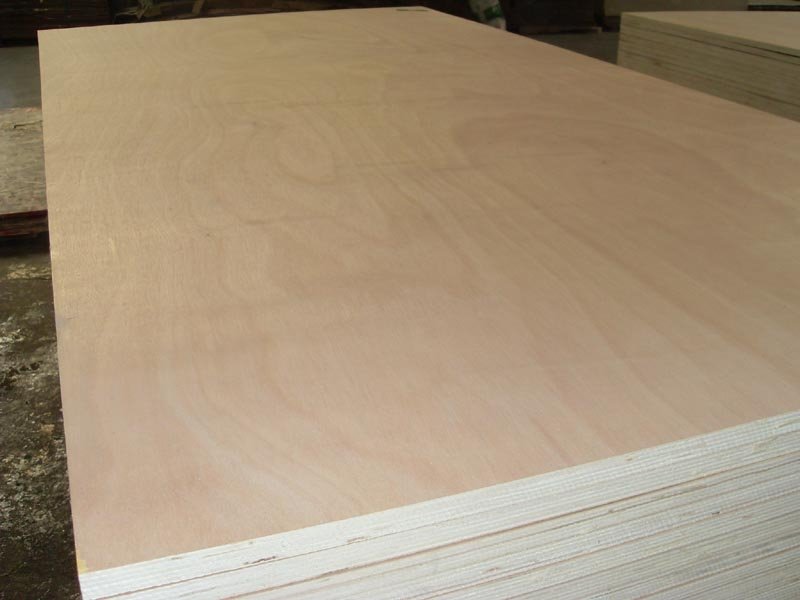
A plywood guide rail lets a circular saw cut a full sheet straight on the first pass, which saves the rework that a wandering freehand cut forces. The rail carries the saw base on a fixed line, and the line only stays true when the rail, the support, and the setup all agree.
This guide covers the rail families that suit panel work, the support setup that keeps a sheet flat, the setup habits that protect the line, and the purchase details that match a rail to the panels the shop actually cuts.
Guide rails split into shop-made straightedges and factory track systems, and each family suits a different tolerance and a different workflow.
A shop-made strip only holds the line it was made to hold, so sight it along its length before every panel. A strip that once held true can bow after a season on the wall, and the cut follows the bow into the part that reaches the customer.
A straight strip of stable material, clamped to the sheet, carries a saw base along the mark for a fraction of the factory price. The strip only holds the line it was made to, so a bowed or twisted board passes its error straight into the cut.
A factory rail carries a machined edge and a matching saw base, and the pair holds a line that a shop-made strip struggles to match. The system costs more and rewards the shop that cuts full sheets every week rather than every month.
A cabinet shop that rips sheet goods daily earns a factory track within a season, while a maintenance bench that cuts a panel a month runs well on a true straightedge. The tolerance the drawing demands settles the choice before the price discussion.
A sheet that flexes under its own weight deflects the cut, and the support underneath decides whether the line stays true across the full width.
| Support choice | What it prevents | When to use it |
|---|---|---|
| Sacrificial foam | Sheet flex at the cut | Crosscuts on the floor or bench |
| Sawhorses under the line | Sag across a long span | Rips on a stable floor |
| Full-width table | Edge crush at the support | Thin or show-face panels |
The foam sheet under the panel lets the blade pass into the waste side without striking a horse or a floor, and the kerf lands in the offcut rather than the support. Replace the foam face when the channels crowd the blade path.
A foam sheet collects kerfs from every cut, and a dense field of old channels weakens the support under the new line. Flip or replace the foam face when the kerfs crowd the blade path, because the cut follows the support it sits on.
A sheet of rigid foam supports the panel across the cut and lets the blade pass into the waste side without hitting a horse or a floor. The setup keeps the offcut from snapping away and bruising the edge as the cut finishes.
Sawhorses set directly under the cut carry the load where the panel is weakest, and a horse set wide leaves the sheet to sag between the supports. Measure the span, then set the horses so the cut line never bridges open air.
The rail holds only the line the setup gives it, and three habits keep that line true through the full pass.
Every rail carries a fixed offset from its edge to the blade, and that number turns a mark on the sheet into a position for the rail. Measure the offset once with a scrap cut, write it on the rail, and the setup stops guessing.
A rail held at one end walks as the saw pushes along it, and the cut follows the walk off the mark. Clamp the far end first, then the near, and sight the line before the blade enters the sheet.
The cut itself bruises edges and scatters sawdust, and the habits around the pass protect both the panel and the line.
An unsupported offcut snaps away as the cut finishes and tears the veneer at the exit, which shows up as a bruised edge on the finished part. Support both sides, then let the cut close without a snap.
A freshly sealed edge needs cure time before the panel joins the frame, or the coating softens under clamping pressure. Schedule the cut and seal a day ahead of assembly when the exposure demands a full cure, then stack the sheets flat with stickers between them.
The fresh cut opens the plies to moisture that the factory edge kept out, and an unsealed rim swells before the finish goes on. Seal every cut edge with a system the exposure accepts, then let the panel cure before assembly.
The purchase follows the panels and the cuts the shop runs most, and four details settle the comparison.
Some rail systems splice two shorter tracks into one long run, which covers a full-sheet cut without storing a single long bar. The joint must sit away from the saw travel, or the base will tip at the seam and wander off the line.
Rail length must clear the longest cut the shop demands, which usually means a rail that spans a full sheet diagonal. A short rail forces a second pass that rarely lines up with the first.
A rail that flexes between its clamps passes the bow into the cut, and a stiffer rail holds the line across a wider span. Sight the rail along its length before the purchase, because the bow tells the story the catalog cannot.
A factory rail only matches the saw bases designed for it, and a mismatched pair wanders despite the machined edge. Bring the saw to the counter, then run the base along the rail before the order goes out.
Answers shops raise before the first full-sheet cut.
A rail with a fixed offset repeats on the next sheet at the same mark, so the crew sets the guide once and runs the stack. The repeat only holds when the rail length clears the widest sheet, so measure the offset on a scrap cut and mark it on the bar.
Long enough to span the longest cut the shop runs, which usually means a full sheet or its diagonal. A short rail forces a second pass that rarely lines up.
On a true, stiff strip, yes, and the tolerance suits painted work. Clear finishes and tight joinery earn a factory track.
Every rail has a fixed offset from its edge to the blade, and the number appears in the manual or a scrap cut. Write it on the rail and mark the sheet against it.
On a floor or bench setup, foam supports the panel across the cut and lets the blade pass into waste without striking a horse. The offcut also stays supported to the end of the pass.
Clamp both ends before the pass, with the far end locked first. A rail held at one end walks as the saw pushes along it.
A guide rail earns its place when the length clears the widest sheet, the stiffness holds across the span, and the saw base matches the track. Once the offset is written on the rail and both ends clamp before the pass, the cut follows the line the drawing marked. When the next run needs panels that hold a clean edge, Commercial Plywood covers the general range, Film Faced Plywood seals surfaces for wet service, and Chip Board serves concealed parts at a lower cost. Confirm the panel face, the batch, and the certificate with HYY before the order goes out, then check the delivered sheets at the dock.