Our Location
5th Floor, Huake Center, Lanshan District, Linyi City, Shandong Province, China

5th Floor, Huake Center, Lanshan District, Linyi City, Shandong Province, China
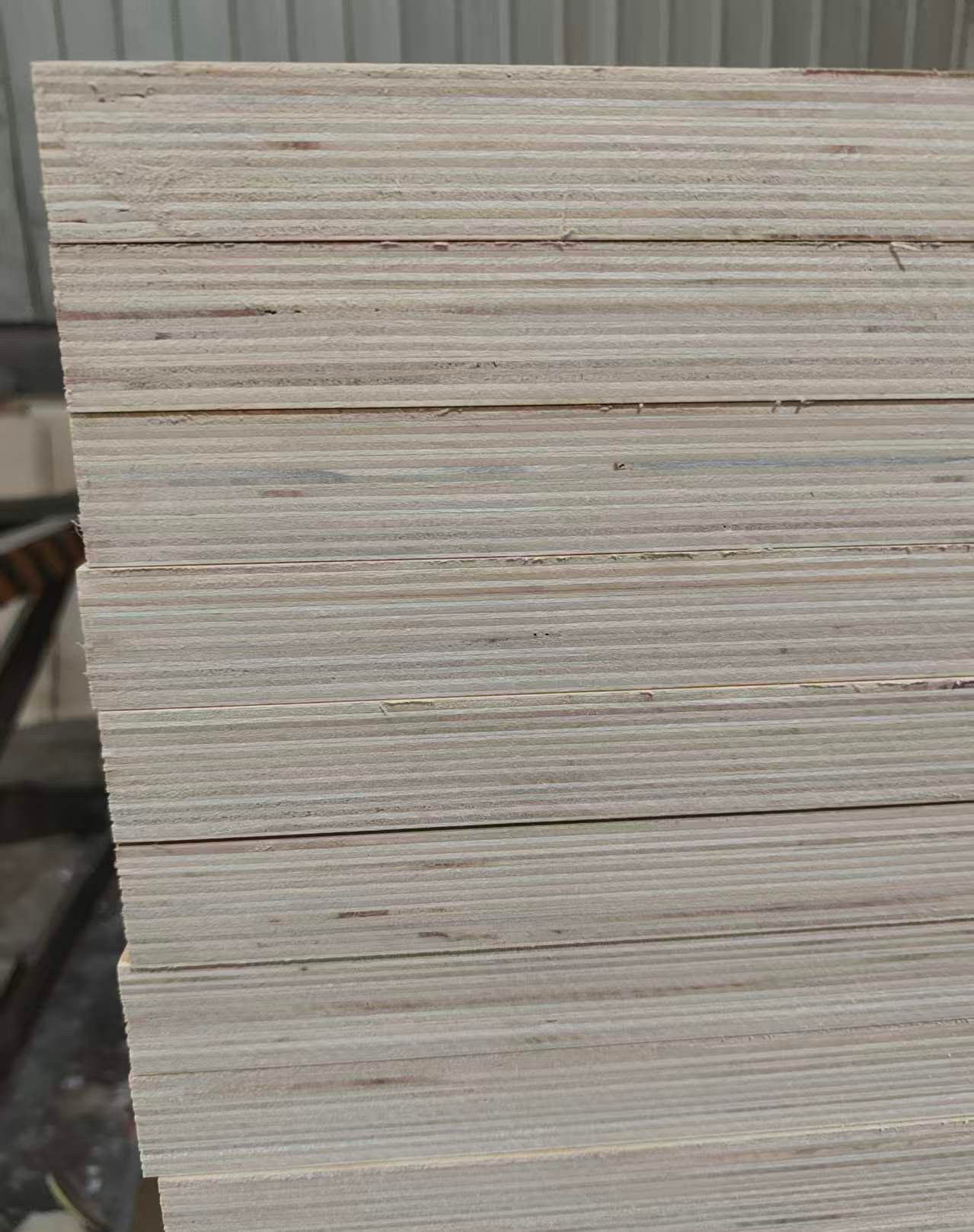
The short search h&g plywood points at several different grading systems at once. Some buyers mean exposure classes such as H2 and H3 used in framing, others mean decorative face grades, and a few mean a specific mill’s shorthand. The label alone does not settle the question, so the buyer has to ask which system the name came from.
Professional buyers learn to read the label twice: once for the letter and once for the region that wrote it. Familiarity with two or three regional systems converts an ambiguous search into a confident specification before the first quote arrives.
This guide breaks down the grading families, explains how to pin down the exact panel, and shows what to write on the order.
Plywood producers label panels with letters that describe faces, exposure, and origin. The letter H often appears in moisture ratings, while G appears in decorative face shorthand, and different regions assign their own meaning to the pair.
The confusion grows because mills and traders develop their own shorthand for panels sold across borders. A freight forwarder or sales rep may use a local abbreviation that never appears in any standard. Treating it as a formal grade invites a mismatch between the order and the delivered sheet.
When a search comes in as h&g, the safest move is to treat it as a question rather than a single product. Confirm the panel type, the exposure, and the face before quoting any price.
One region may use H2 for a damp-exposure panel, another reserves H letters for hazard ratings, and a third uses them for nothing at all. The same letters across markets mean different things, so the local context decides the correct answer.
Exposure ratings describe how much moisture a panel can tolerate in service. Panels marked for damp or exterior service carry waterproof adhesive and a bond that resists delamination over time.
| Class | Exposure | Typical use |
|---|---|---|
| Dry room | Protected interiors | Furniture, cabinetry |
| Damp-prone | Occasional moisture | Framing, sheltered areas |
| Exterior | Weather exposure | Sheathing, outdoor sheds |
Use the table to set the moisture bar. Pick the class that matches the room and the drainage, then confirm the bond on the datasheet.
Site gossip assigns meanings that no standard supports. Buyers protect themselves by keeping the datasheet and the certificate together, so a claimed class can be checked against a published method rather than hearsay.
Some markets use H numbers for preservative-treated timber, where higher numbers mean greater decay resistance. Those ratings describe treatment levels, not face quality, so read the certificate that names the treatment.
Decorative shelves of the label describe the visible face with letters similar to the exposure system, which adds to the confusion. A face letter tells you the clean and finished level of the surface that the drawing will show.
Separate the two questions in your mind: the moisture class governs survival, the face grade governs appearance. Confusing them leads to a sheet that looks right but fails in wet service, or survives but looks rough where it shows.
A factory overlay turns a structural sheet into a finished panel in the same pass. Buyers who specify the overlay skip the on-site painting step and gain a surface that stays consistent across every sheet in the bundle.
Confirm how the overlay behaves around edges and fasteners. Some finishes require edge banding or sealed cuts, so the fabrication detail should appear in the same spec that names the panel.
Where a claim still feels soft, ask for a physical sample beside the certificate. The sample confirms color, texture, and thickness that no letter can fully describe, and it gives the receiving team a reference at the dock.
Write both on the order line. Specify the moisture class for survival and the face for appearance, and confirm the stamp shows both so the delivered panel matches the drawing.
Turn the ambiguous search into a specific specification by asking four questions before inviting quotes.
Ask all four before comparing prices. A quote delivered without these answers cannot be compared honestly across suppliers.
Once the questions get answers, demand the certificate that names the class, the face, and the batch. The certificate closes the gap between the label and the delivered product.
Match the panel family to the exposure and the finish. Interior furniture and cabinetry need a clean face and low emission; structural work needs a confirmed bond; painted flatwork values a smooth machinable core.
For furniture and cabinets where the visible face carries the design, Melamine Plywood supplies a factory-finished surface that skips on-site painting. For structural panels where bond and face sit on the order line together, Commercial Plywood balances cost and dependable construction.
Keep the class, face, and certificate together in the project file. A documented choice answers the client’s question faster than a remembered conversation.
Ask for the exact stamp wording at the quotation stage, then compare it with the delivery. A supplier that changes the class or face between the two should explain the switch in writing before the panels leave the dock.
Keep a copy of the quoted stamp with the receiving team. The document turns a later dispute into a simple paper trail, and it protects the buyer when mislabeled stock arrives under a different name.
Answers to the questions that follow an ambiguous panel search.
No single universal standard uses that exact pair. The letters reference regional exposure or face systems, so confirm which system the supplier means.
In some markets it flags a hazard or exposure rating; in others it appears in decorative shorthand. Context decides the meaning, so never assume across regions.
Name the moisture class, the face, the thickness, and the standard in the inquiry. Four clear answers prevent an ambiguous label from deciding the panel.
Keep the stamp photograph alongside the order file. When a future buyer asks which panel this is, the photograph answers without a warehouse search, and it keeps the identity of the sheet traceable long after the bundle label disappears.
Some exterior panels carry both a moisture rating and a decent face. Still separate the requirements in the spec so the delivered sheet satisfies both claims.
Use the label as a first read and the certificate as the proof. When the label and the certificate disagree, the certificate usually tells the fuller story because it names the method and the batch.
The shipping papers should name the governing standard for the delivered batch. Compare the standard named on the bill of lading with the one accepted locally, and keep both numbers on the order so the inspection team reads from the same text as the mill.
A panel that lands without a naming standard leaves the acceptance test to memory. Buyers who write the standard into the order file protect their project from a label that means something different on the other side of the border.
Yes. Regional standards assign different meanings to similar letters, so the country of origin and the governing standard belong in the spec. Two overseas panels can carry the same tag and behave differently.
Map the delivered certificate to the local acceptance standard before ordering. When the local code and the mill standard differ, the difference must appear on the order, not surface at inspection.
Use the letters as a pointer, then verify with the certificate. Tags help, paperwork proves, and the batch line ties them together.
Turn the letters into a specification by naming the moisture class, the face, and the standard. Confirm the bond for wet service, keep the certificate with the order file, and compare quotes on matching lines. An ambiguous label deserves a specific answer, not a guess. Review the class and face options with HYY before you lock the order, then verify the delivered stamp and certificate together at arrival.