Our Location
5th Floor, Huake Center, Lanshan District, Linyi City, Shandong Province, China

5th Floor, Huake Center, Lanshan District, Linyi City, Shandong Province, China
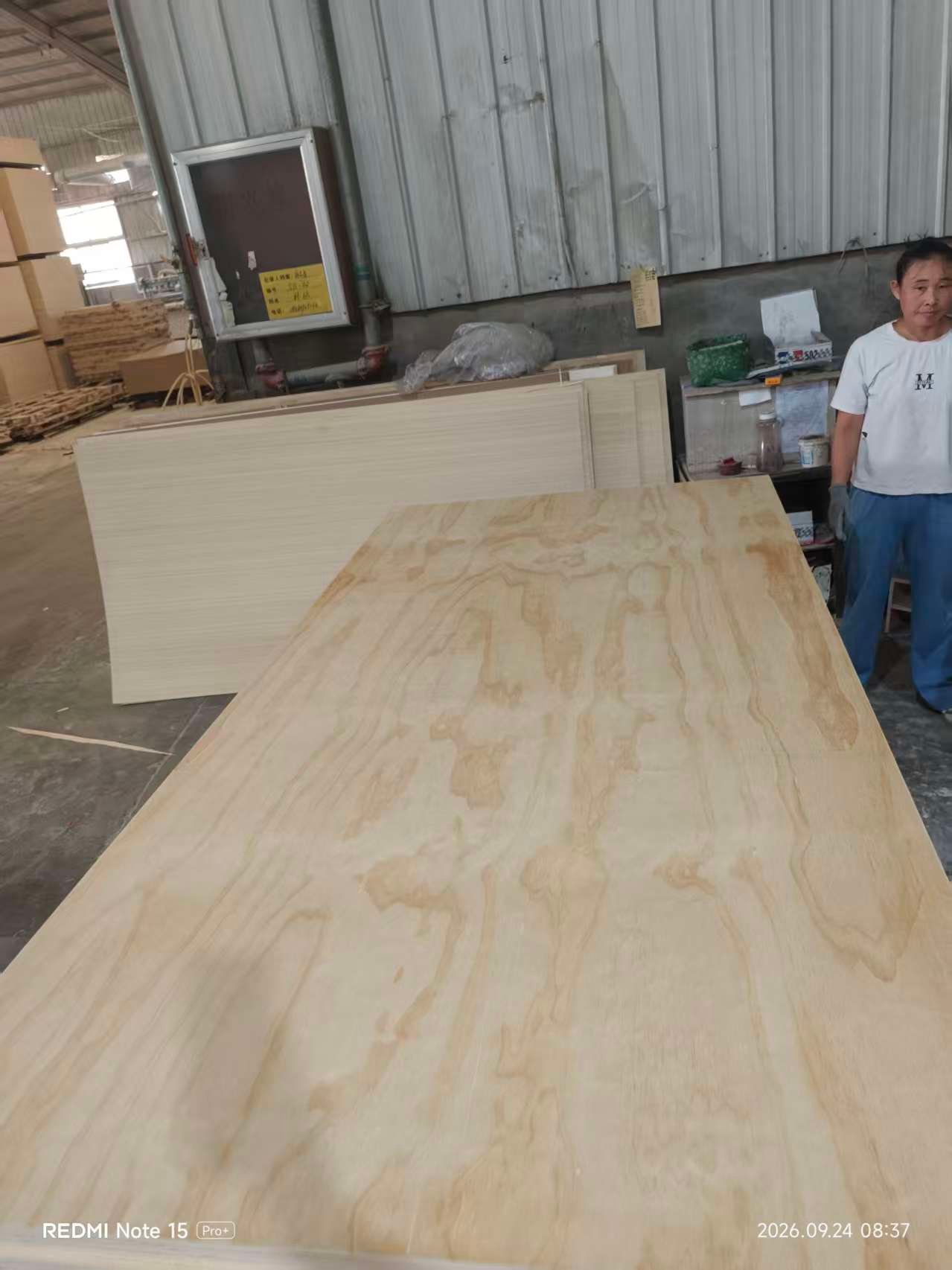
Buyers who type bam x plywood usually mean bamboo plywood, the pressed panel made from flattened bamboo strips. It runs denser and harder than standard softwood plywood, so it earns a place in furniture, work surface, and interior finish specifications. This guide covers what the panel really is, where it beats wood panels, and how to order it without surprises.
Bamboo plywood starts as strips split from mature bamboo culms, then flatten, steam, and press them into boards with adhesive under heat. The result looks like a veneer sheet, but the construction differs from a timber plywood core.
Two build types dominate the market. Vertical grain boards lay strips on edge and read as narrow parallel lines. Horizontal grain boards stack strips flat and show a wider, softer pattern. Both deliver a hard, dense face that resists dents better than most softwood panels.
Typing mistakes hide the search. Bam x plywood, bamboo x plywood, and bam-boo board all lead to the same product, so treat the spelling as a signal of intent rather than a different material.
Edge treatment completes the order. A clean routed edge with sealer ages better than a raw cut line, and careful handling at the site protects the face from transport damage. A little planning at the quote stage prevents field surprises.
Density and moisture behavior separate the panel from timber plywood. Bamboo strips pack tightly, which raises weight per sheet and changes how the panel feels during cutting and mounting.
Choose a panel by matching construction to the job. Bamboo offers a distinct profile: higher density, a harder face, and a warmer visual than pine or poplar plywood.
| Property | Bamboo plywood | Softwood plywood |
|---|---|---|
| Weight per sheet | Denser, heavier | Lighter to carry |
| Face hardness | Hard, dent resistant | Softer, scratches easier |
| Grain look | Warm straw tones, even texture | Bold knots and grain |
| Moisture behavior | Lower swell in humid service | More seasonal movement |
| Typical cost | Higher per sheet | Lower per sheet |
The table oversimplifies one point: bond class still sets outdoor limits. Check whether the manufacturer rates the adhesive for exterior service before using bamboo plywood in wet zones.
Hard faces dull standard bits faster. Carbide tooling cuts cleaner edges, and routers leave a crisp line that needs less sanding than on softwood.
Specify bamboo where a hard, scratch-resistant face or a natural warm look carries value. Furniture fronts, worktable surfaces, retail shelving, and office panels all use the material without extra lamination.
For structural framing and general building where a decorative face does not matter, standard panels serve the job at a lower price. Match the sheet to the function instead of paying for bamboo on hidden surfaces.
Dining tables, counters, and display walls in low-abrasion settings benefit from the hard face and even tone. Unpainted bamboo also reads as a finished surface, which cuts finishing time on some designs.
Where a sealed decorative face and consistent color matter more than a wood look, Melamine Plywood delivers a ready-to-use surface that skips the oil and lacquer step entirely.
Three decisions fix most orders: face pattern, thickness, and bond class. Naming all three on the specification prevents a mill from substituting a panel you did not price.
Standard thicknesses cover most fixtures, but short-run panels and specialized sizes exist; confirm availability before committing a container space.
Dense bamboo laughs off dents but still reacts to humidity swings. Plane carefully, seal edges where exposed, and keep the panel in a stable environment during finishing.
A first order runs smoother when you qualify the supplier on sample, grade, and lead time. Compare two or three quotes on the identical specification before signing.
Trust the sample over the photo. Press the face with a fingernail, check the edge bond, and bend a test strip to feel the spring back. Where appearance matters, the sample decides more than the datasheet.
Face grade, thickness, and quantity move the price most. Bamboo also ships heavier than the equivalent softwood volume, so include freight weight when comparing quotes. Ordering in full container quantities usually lowers the per-sheet cost.
For panels where a decorative face is unnecessary, a solid structural alternative costs less and performs the same in hidden service. Compare Commercial Plywood when framing and sheathing dominate the job.
Bamboo accepts a range of finishes, but start with a light sanding to lift grain. A clear oil or matte lacquer preserves the straw tone; darker stains overpower the natural pattern.
Sealing edges matters more than on softwood. The strip ends wick moisture fast, so apply edge sealer before installation in humid rooms. Interior cabinetry with clean cut edges avoids most of that risk.
Start with a fine grit and keep the sander moving to avoid heat marks on the dense face. Wipe dust with a damp cloth and let the panel rest before the first coat. Two thin coats read better than one heavy pass, and edges benefit from a sanding pass after the second coat.
When the design calls for a lighter, brighter interior, some buyers pair bamboo accents with a painted panel field. The contrast keeps warmth where you want it without committing the whole room to straw tones.
Do not specify it for heavy formwork, wet outdoor cladding, or repeated thermal shock. Those jobs need dedicated panels built for the exposure, not a decorative-grade board.
Answers to the questions that come up most often during selection.
It is denser and harder on the face, which resists dents and scratches well. Structural stiffness depends on thickness and construction, so match panel size to the span.
Only with an exterior bond and proper sealing. Most decorative grades serve interior or sheltered duty; confirm the rating before exposing panels to weather.
Seal edges and any cut ends, especially in humid rooms. A light top coat protects the face and keeps the natural tone consistent.
Shelving and flat work typically run thicker sheets, while wall panels and cabinet backs use thinner ones. Confirm the span and the load before choosing.
The dense face dulls standard blades faster. Use a new carbide blade or a scoring pass, then rout the edge for a clean line instead of forcing the sheet through stacked cuts.
Not always. A routed edge with sealer looks finished on most fixtures, while edge banding adds a uniform border on high-contact tops. Decide based on wear and the visual you want.
Higher density, tighter manufacturing tolerances, and a decorative-ready face push the price above softwood panels. The premium pays for appearance and durability in visible work.
Start any sourcing decision with the build requirement, then set the face and bond class. For a decorative hard face in interior duty, bamboo delivers a warm, durable finish that trees rarely match. For hidden structural service, a standard panel fits the budget better. Define the exposure, lock the specification, and compare quotes on identical lines; keep a finished panel at hand for a decorative-grade range built for visible work.
Panel quantity planning also differs. Because bamboo faces stand out, waste from a bad cut carries a bigger visual cost than on a painted panel. Lay out the cutting plan against the sheet and reserve one spare for edge pieces and test finishes.
Ask for a sample panel before you commit, verify the face grade stamp at delivery, and keep spare sheets from the same lot for touch-ups.
Documentation carries half the value of the order. A written spec that names the face pattern, thickness, bond, and sample reference gives the mill a single target and gives you a firm basis for acceptance. Keep that sheet with the packing list for the whole shipment.
A panel that reads well in a sample and in broad production still answers to the printed spec, so hold both suppliers and yourself to the written line.
Start the conversation with HYY and review the full panel portfolio before you reserve container space.