Our Location
5th Floor, Huake Center, Lanshan District, Linyi City, Shandong Province, China

5th Floor, Huake Center, Lanshan District, Linyi City, Shandong Province, China
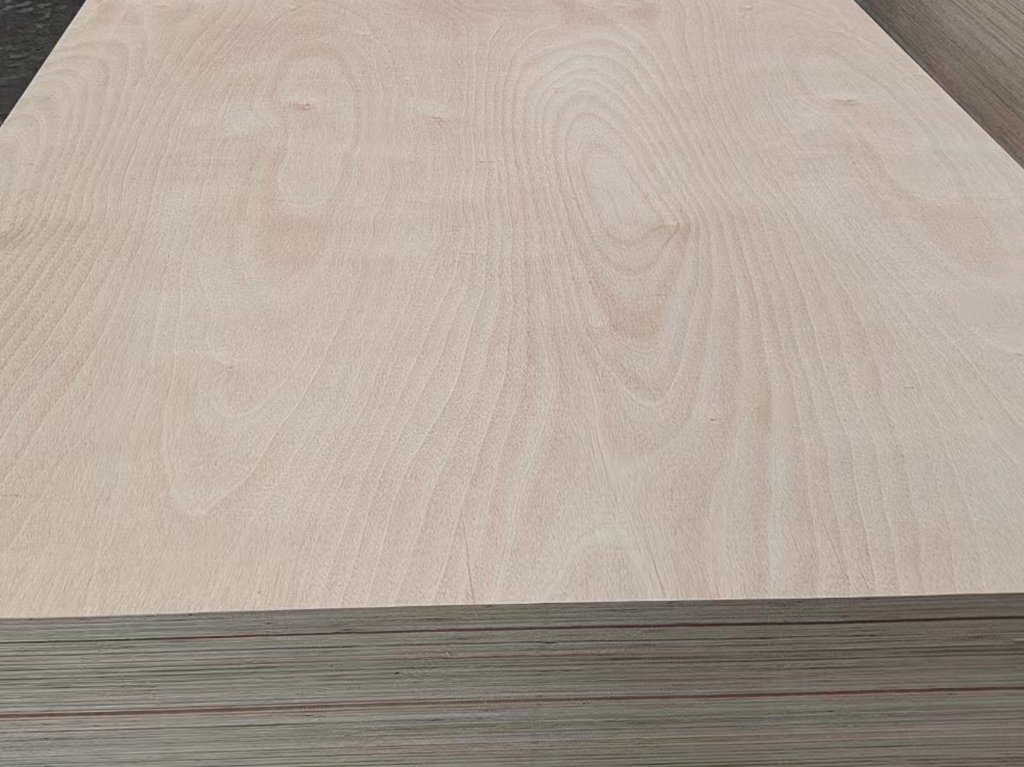
Wondering what a fair plywood price looks like before you place an order? Importers and contractors ask this every week, and the honest answer keeps shifting with lumber markets, freight, exchange rates, and grade. This guide walks through current market ranges, the cost drivers behind them, and practical rules for budgeting a first order without getting burned.
The price in a quote never comes from one number. A sheet price is a compound of raw timber cost, glue and resin, factory conversion cost, finishing, packaging, and the freight route to your port. Each element moves independently, which is why two suppliers can quote the same product at different totals.
Core veneer species and veneer quality form the base layer of any quote. Face grades like A, B, and C dramatically shift yield in the mill, and that yield loss shows up directly in the sheet price. Hardwood-faced panels run noticeably higher than softwood faces for the same core construction.
Thicker panels consume more veneer and glue, so 18 mm costs more per sheet than 12 mm even before you account for weight. Plywood construction also matters: bonded, sanded, film-faced, and marine-rated panels each use different adhesives and manufacturing steps.
| Panel type | Face | Typical buyer |
|---|---|---|
| Commercial plywood | Sanded softwood | Contractors, joinery, general construction |
| Film faced plywood | Phenolic film | Concrete formwork and repetitive use |
| Melamine plywood | Decorative overlay | Furniture makers and cabinet shops |
| Marine plywood | High-grade faces | Boats, water exposure, structural uses |
Freight is the variable most buyers under-estimate. Sea rates move with fuel price, seasonal demand, and container availability, so the freight portion of a quote can swing between quotes a week apart. Lock a validity date on the offer and ask the supplier to flag rate assumptions explicitly.
The table above is a shortcut for matching product to project. The exact numbers still depend on your country, volume, and delivery terms, so treat market ranges as a starting point rather than a fixed list.
Prices fluctuate, but the shape of the market stays recognizable. A standard 1220 x 2440 mm sanded panel sits in a moderate range, while film faced and melamine panels sit higher because of the additional manufacturing step and surface material.
For fresh buyers, the gap between low-priced and mid-priced quotes often reflects glue class and face consistency rather than pure margin. Paying slightly more for a stable bond class protects you from delamination claims later, which rarely appear in the first container but surface after months of storage.
Sampling solves most of this. Ask for a face sample or a photograph of the actual bundle before payment. Even a quick look at veneer continuity and film coverage catches mismatched grades that a spec sheet alone will not show. Resin odor and edge finish also signal whether the mill cut corners on glue.
Payment structure shapes risk too. A standard split such as a deposit with the balance against shipping documents balances the supplier’s comfort with your cash flow. Expediting a long quotation with a confirmed schedule keeps the transaction predictable for both sides.
Inspection terms belong in the contract before shipment. Decide who inspects, at which stage, and what happens to rejected sheets. Clear wording on acceptable tolerances and defect rates gives both sides a fair standard and avoids disputes at the port, where rework costs run highest.
Ask for a quote that itemizes thickness, size, grade, glue bond, and quantity. A clean price list tells you exactly what changed between suppliers. Vague quotes that bundle everything into one per-sheet number make comparison impossible and hide specification differences.
Planning a first order means looking beyond the per-sheet rate. You need to account for currency, containers, port handling, duties, and the small buffer for inspection rejects. A common mistake is budgeting only the FOB number and discovering that landed cost exceeds the plan by double digits.
Following that list keeps surprises manageable and gives you a defensible budget to take to management or a client. Buyers who skip itemization end up absorbing small costs that a structured order would have made visible upfront.
Treat the quote date as part of the specification. Plywood raw material costs move with timber markets, so a pricing validity window protects both parties from stale assumptions.
Currency exposure deserves attention on long quotes. If the mill prices in US dollars and you pay in another currency, a rate move between order and payment changes your effective cost. A simple note in your budget about the assumed exchange rate prevents a surprise when the invoice clears.
Material price matters, but it is one line in the working budget. Labor, handling, fasteners, and finishing often exceed the panel cost on real projects. That is why the lowest sheet price does not always produce the lowest project cost.
Standardization cuts the total. If you lock one or two panel sizes across the project, cutting waste falls and handling speeds up. In contrast, a mixed assortment of special sizes raises labor hours and leftover waste even when individual sheets look cheap.
A simple yield check covers most ordering mistakes. Measure your cutting pattern, add a sensible waste allowance, and only then divide by the sheets you can actually cut from a panel. This prevents two outcomes at once: over-purchasing that ties up cash and under-purchasing that stops the crew.
Supplier reliability also sits inside the total cost. A mill that ships on schedule saves you expedite fees and idle crew time, while a cheap quote that slips two weeks can cost more than the saving. Ask for production lead times and on-time history before you lock a new vendor.
When you send an inquiry, specificity shortens the return trip. Give the supplier the size, thickness, face finish, glue class, volume, and destination port in one message. A precise brief earns a precise quote and reduces the back-and-forth that delays procurement.
For commercial and construction work, start with a middle commercial grade and let the application dictate upgrades. For concrete forming, Film Faced Plywood resists moisture and repeated stripping cycles better than untreated faces. For interiors and cabinetry, Melamine Plywood delivers a clean finished surface without extra finishing labor.
Contractors sourcing across many jobs often consolidate support on Commercial Plywood because it balances strength, sanded faces, and cost for general formwork and sheathing. When a project needs light structural panels and budget is tight, comparing MDF Board against plywood surfaces trade-offs in moisture tolerance and screw holding before you lock the spec.
Buyers who need a mixed assortment for multiple jobs usually want a single partner that can combine grades without splitting orders. That is where HYY simplifies sourcing across commercial, film faced, melamine, chip board, and MDF lines under one inquiry.
Beyond the obvious per-sheet comparison, consider scrap disposal and on-site storage. Panels exposed to damp sites degrade at the edges, so order timing matters as much as price. A modest safety margin in a dry facility beats a tight price that arrives too early or too broken.
These are the questions buyers raise most often when comparing quotes and planning a budget. Short answers sit here, with deeper context in the sections above.
The specification differs somewhere, usually in face grade, glue bond, or veneer quality. Compare the itemized spec sheet rather than the headline number.
Cheap panels make sense only when the application tolerates lower face consistency and bond. For exposed or structural use, a mid-grade panel costs less in the long run than rework.
Volume usually improves the per-sheet rate and freight utilization. Confirm the minimum quantity that triggers the better price before scaling the order.
Film faced panels carry an extra phenolic surface layer for concrete formwork, which explains the step-up in price. Each panel type answers a different job condition.
Prices shift, so the practical takeaway is to verify against current quotes before committing budget. Build a small three-column sheet: your requirement, the quoted specification, and the landed cost. Any supplier who responds with a clean itemized quote earns a second round.