Our Location
304 North Cardinal St.
Dorchester Center, MA 02124

304 North Cardinal St.
Dorchester Center, MA 02124

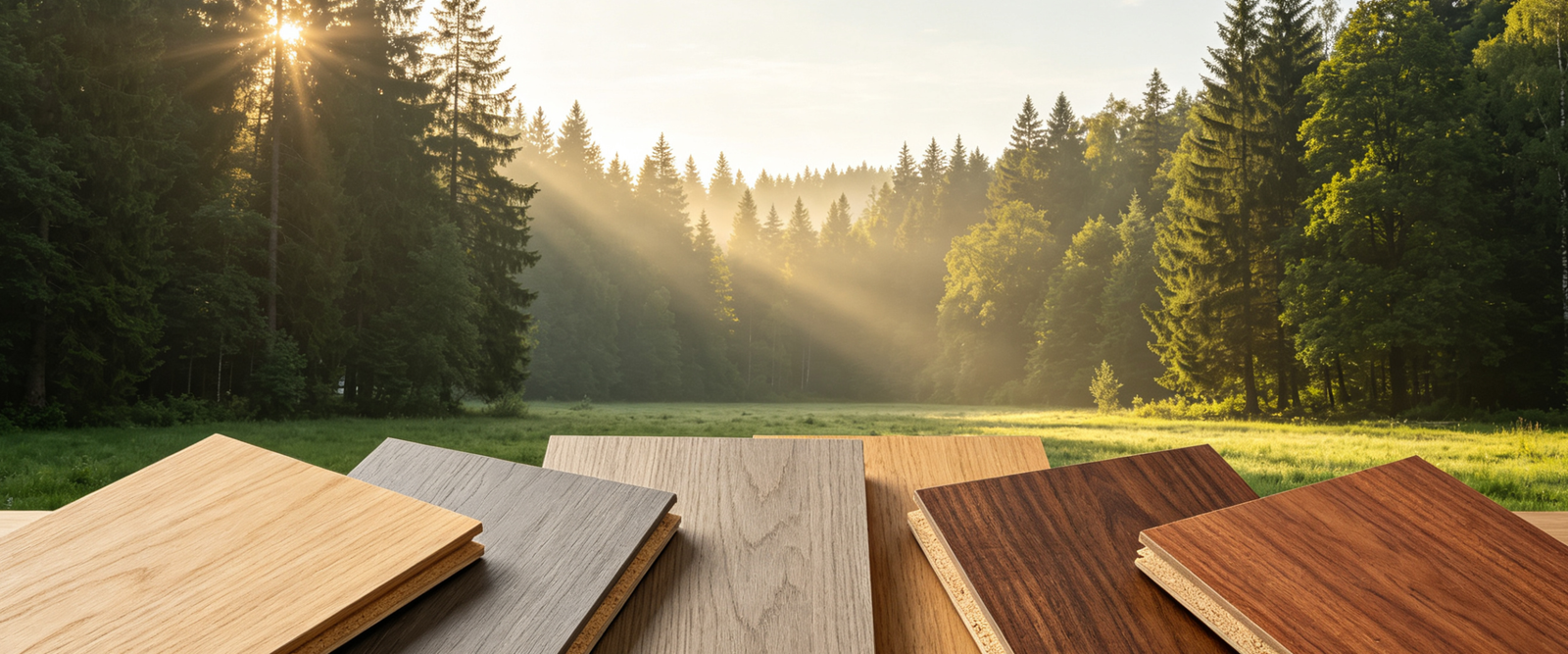
Choosing film faced plywood for concrete formwork affects your pour quality and your cost per use, yet many buyers pick panels by price alone. This guide covers film types, core materials, reuse ratings, and the exact specifications you should include in an inquiry. You will also learn how to compare supplier quotes and how to avoid the mistakes that turn a cheap panel into an expensive one.
Film faced plywood is a structural plywood panel coated on both faces with a resin-impregnated paper overlay. Manufacturers press the film onto a hardwood core so the surface resists moisture, alkali, and abrasion during concrete pours. The film also smooths the finished concrete face, which reduces the extra surface finishing work contractors often face.
As a result, this panel works best where engineers need a reusable, waterproof surface. Concrete contractors use it for wall forms, slab forms, columns, and precast molds. It appears in the same places as standard plywood, but the film layer changes the way the panel behaves under wet conditions and repeated use.
The phenolic film is the first line of defense. It blocks water from entering the wood, so the panel stays flat and does not swell at the edges. The film also resists the alkaline environment of fresh concrete, which would otherwise attack untreated wood fibers. Over time, this protection translates into more pours per panel and a cleaner concrete surface.
You will find film faced plywood in bridge formwork, high-rise slab construction, and precast yards. Some builders also use it on outdoor hoardings and truck bodies because the surface stands up to weather. In each case, the buyer chooses the film grade and core to match the number of expected pours and the pressure of the pour.
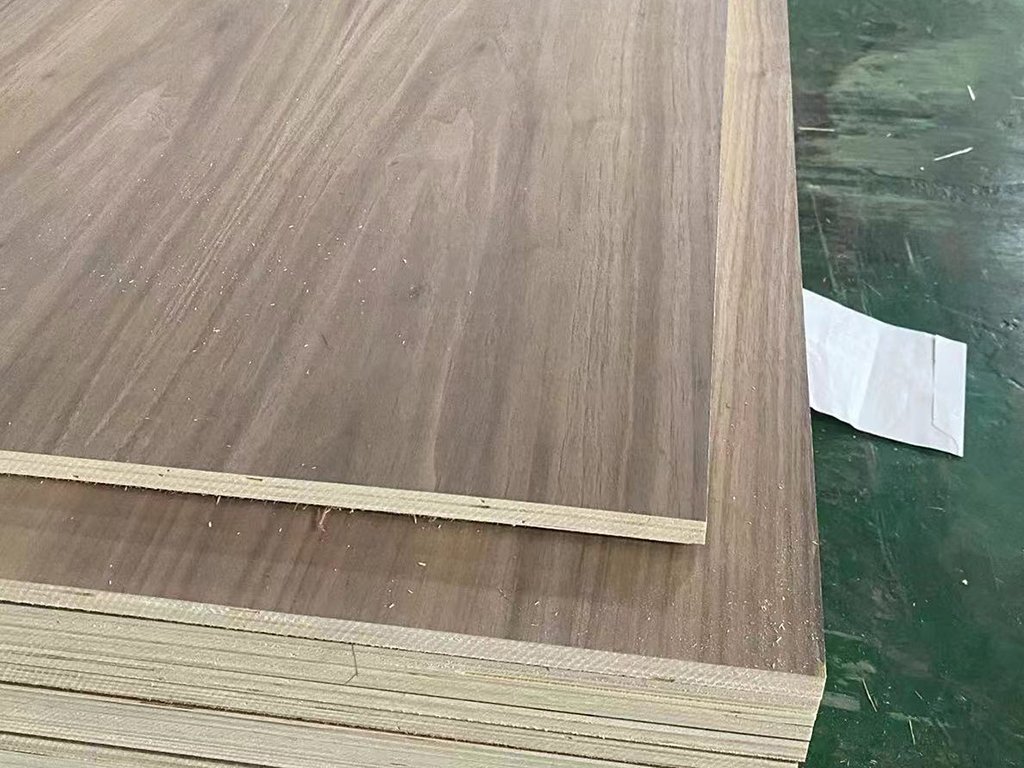
Many project managers ask whether standard plywood can handle concrete formwork. It can, but only for light or one-off work. After one wet pour, an untreated panel swells, delaminates, and leaves a rough surface. Once you compare the full cost of both options, the film faced version usually wins for any repeated pour.
| Feature | Film faced plywood | Standard plywood |
|---|---|---|
| Surface | Phenolic film overlay | Bare veneer |
| Moisture resistance | High | Low |
| Reuse capacity | 4 to 25+ pours | Usually 1 to 2 pours |
| Concrete finish | Smooth and uniform | Rough, needs patching |
| Cost per panel | Higher | Lower |
| Cost per pour | Lower | Higher |
The real comparison is cost per pour, not cost per panel. A film faced panel rated for 8 to 12 uses spreads its price across many cycles. A cheap standard plywood panel often fails after one use, so you replace it and pay labor twice. Consequently, most buyers with more than two pours choose the film faced option despite the higher list price.
For a single small slab or a one-off foundation, standard plywood may be enough. The same applies to interior work where moisture is not a factor. In contrast, any project with repeated pours, high columns, or tight surface finish requirements should move to film faced plywood from the start.
A clear specification prevents wasted orders and mismatched panels. Your inquiry should state the panel size, thickness, film type, core material, glue type, and expected reuse count. Suppliers quote to what you write down, so the more precise you are, the more comparable the quotes become.
Here is a practical set of ranges common in the construction plywood market. Keep in mind that suppliers can customize many of these values, so treat the table as a starting point for your own requirement list.
| Specification | Typical range |
|---|---|
| Panel size | 1220×2440 mm, 1250×2500 mm, 1250×3000 mm, or custom |
| Thickness | 2.7 to 30 mm |
| Face and back film | Theil film, black, brown, red, logo film |
| Core material | Birch, eucalyptus, combi, poplar, or custom |
| Reuse rating | 4-6, 8-12, 15-20, or 20-25 pours |
| MOQ | 1x20HQ container |
Birch cores give the highest strength and edge quality, which matters for heavy formwork. Eucalyptus cores offer a good strength-to-price balance for general contracting. Poplar cores keep weight low and cost lower, but they sacrifice some stiffness and screw holding. Combi cores blend species to hit a target price. Glue grade also matters: phenolic glue resists moisture and alkali far better than ordinary interior glue.
Film weight determines how many pours a panel survives. Heavier films, such as 120 to 300 gsm overlays, suit high-reuse formwork. Lighter films fit short-run or decorative use. Film color, whether black, brown, or red, does not change performance; choose by brand recognition or site marking needs. Theil film refers to a specific high-density overlay used for smoother finishes.

Once you define the specification, the next step is evaluating suppliers. You want a manufacturer that can hold tolerances, produce consistent film adhesion, and ship on a dependable schedule. A written product page tells you the range a factory actually offers, and it speeds up your shortlist.
Most professional factories require a minimum order of one 20-foot container. Start with that size to test quality before scaling up. A reliable manufacturer will supply a pre-production sample, confirm the film brand, and put the reuse rating in writing before mass production.
These questions come up in nearly every formwork inquiry, and the answers have a direct effect on the price you pay and the life you get from each panel. Read them before you send your request for quotation so you already know what to confirm.
The reuse count depends on the film weight, core quality, and site conditions. A light film and poplar core might deliver 4 to 6 pours, while a heavy film on birch can reach 20 to 25 pours. State your expected reuse count in the inquiry so the supplier matches the grade instead of guessing.
Most formwork systems use 15 to 21 mm for walls and slabs. Thin panels around 12 mm suit light decorative work, while heavy civil projects use 25 mm or more. Choose the thickness from the maximum concrete pressure, the stud spacing of your formwork system, and the deflection limits in your design.
The film provides strong moisture resistance, but complete waterproofing still depends on edge sealing. Water enters most panels through cut edges and drilled holes. Seal those edges with a suitable edge paint before the first pour, and store panels flat under cover to extend their life.
Yes. Film faced plywood usually carries film on both faces, so you can flip the panel for the second side of a wall or reuse it as a top slab panel. Rotating panels also balances wear and gives a more uniform finish across the job.
Prices differ because the core, film weight, and glue grade change the manufacturing cost. A birch core with a 200 gsm film costs more than a poplar core with a light film. Compare panels on the same specification, and ask each factory for the reuse rating tied to that spec before judging the price.
Freight also moves the total figure. A panel price quoted ex-factory means nothing until you add container cost, inland transport, and port handling. The best way to compare is to request a delivered cost per square meter for the panel size and reuse class you actually plan to use.
When you are ready to compare options, review the complete engineered panel catalog so you can match each product to the pours, loads, and finishes your site demands. Buyers starting with concrete formwork usually begin with HengYiYi film faced panels, then add a commercial option such as Commercial Plywood for dry framing and a decorative option such as Melamine Plywood for interior finishes. A lighter Film Faced Plywood grade covers short-run work, while a block alternative such as Block Board suits shelving and furniture cores.